
What is the difference between a learning disability and a learning difficulty?
What is the difference between a learning disability and a learning difficulty?

A learning disability is not the same as a learning difficulty.

What is a learning disability?
A learning disability makes it harder for someone to learn, understand information, or do things like:
- making friends
- looking after their money
- or travelling to places.

People with a learning disability can take longer to learn and may need support to learn new skills, understand difficult information and talk to other people.
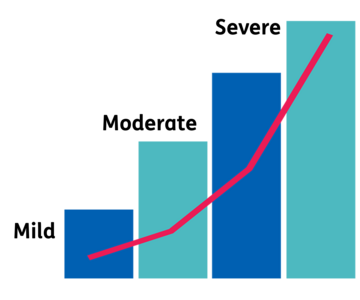
There are different types of learning disability:
- mild
- moderate
- severe or profound.
Mild means just a little.
Moderate means quite a bit.
Severe or profound means a lot.
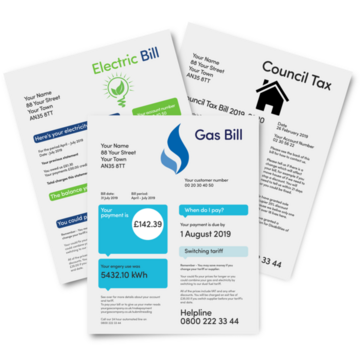
Someone with a mild learning disability may only need a bit of support. For example, help to get a job or pay their bills.

Someone with a severe learning disability would need a lot more care and support with everything they do. For example help to get washed and dressed, to eat and drink.

People with some conditions can have a learning disability, like people with Down syndrome and some people with autism.

What is a learning difficulty?
There are lots of different learning difficulties.
Some examples of learning difficulties are:
-
dyslexia
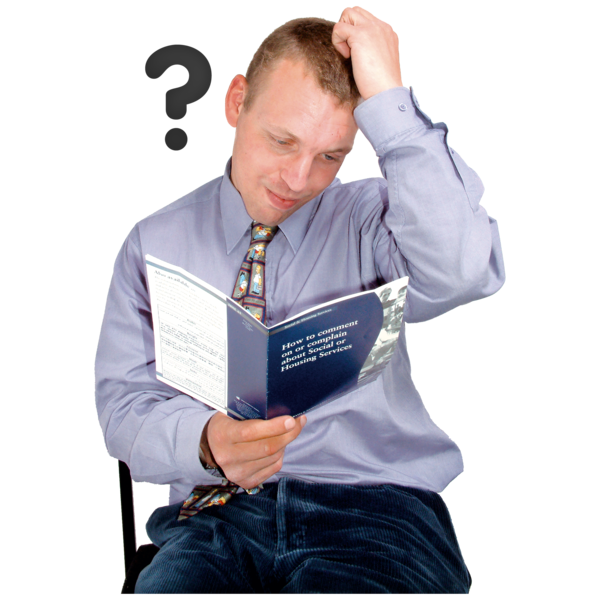 Dyslexia is a learning difficulty. People who have dyslexia can find it hard to read, write and spell.
- dyscalculia.
A learning difficulty can make it harder for someone to learn, or they might learn in a different way.

Someone with dyslexia might find it hard to read, write or spell.

They might prefer to listen to information,

or to watch a video to learn the information.
They can understand the information if they do not have to read it.
Someone with a learning disability might find it difficult to understand the information even if they do not have to read it.
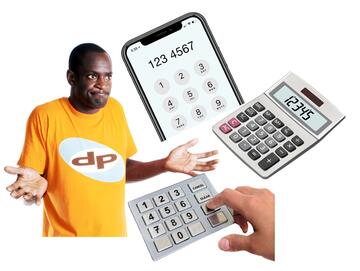
Someone with dyscalculia might find it hard to understand numbers.
They will find it easy to understand or do other things.

Someone might have a learning difficulty, or more than 1 learning difficulty.
Someone might have a mild, moderate or severe learning difficulty.

Someone might have a learning difficulty and a learning disability.

First published 24/03/2025
Last updated 24/03/2025