
How to understand your energy bill
How to understand your energy bill
What information should be on my energy bill?
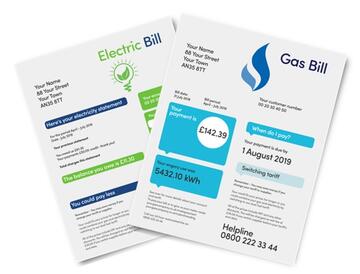
Bills from each energy supplier will look different but they should all have:
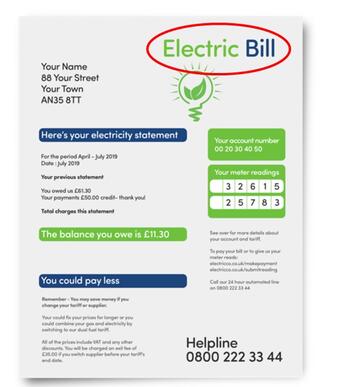
- the name of your energy supplier
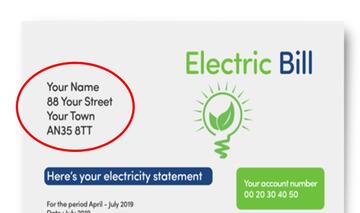
- your name and address
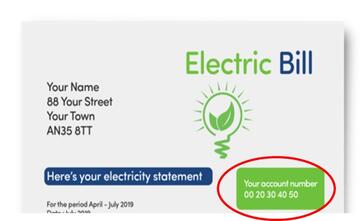
- your
customer
 A customer is a person who buys something or uses a service.
reference or account number
A customer is a person who buys something or uses a service.
reference or account number
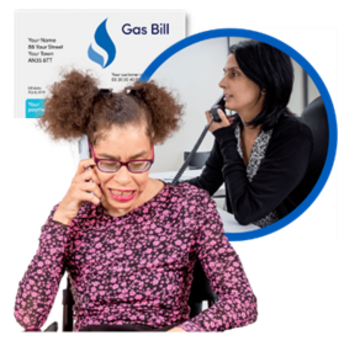
When you contact your energy supplier, you often need to tell them your customer reference or account number.
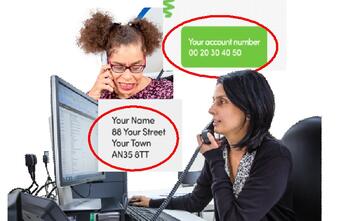
This helps your energy supplier to find your details.
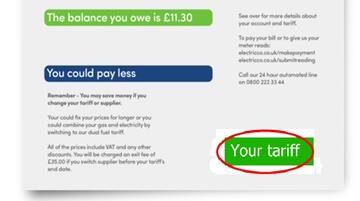
- the name of your tariff
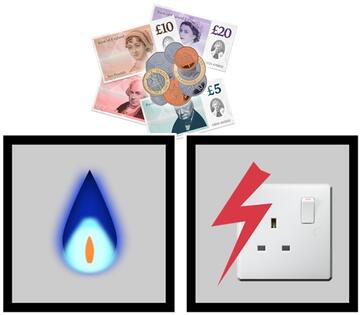
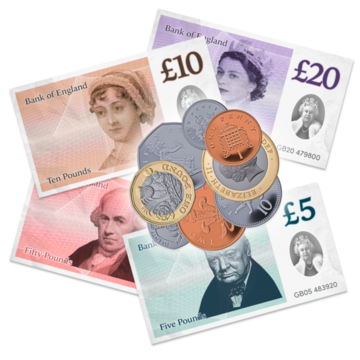
Your tariff sets how much you have to pay for each unit of gas and electricity you use.
Your tariff sets how much you have to pay for your standing charge.
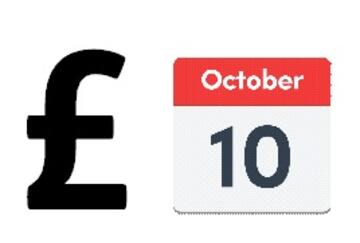
The standing charge is a charge you have to pay every day for your gas or electricity.
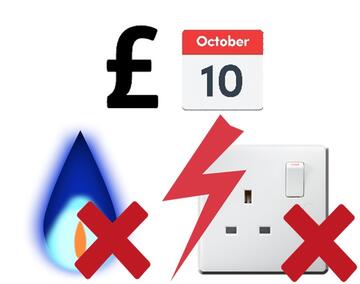
You have to pay a standing charge every day, even if you do not use gas or electricity every day.
A standing charge can also be called a daily rate or a daily unit rate.
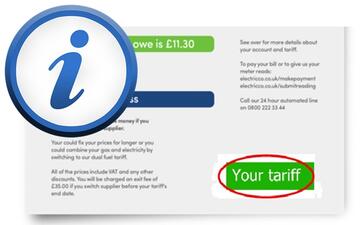
For more information about different types of energy tariffs, go to our energy tariffs page.
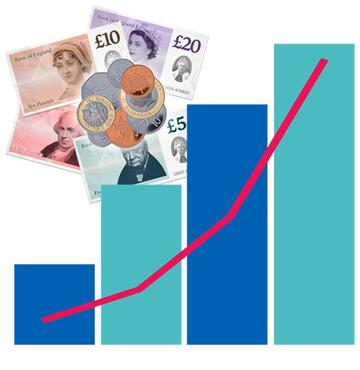
- information about the prices of gas or electricity on different tariffs
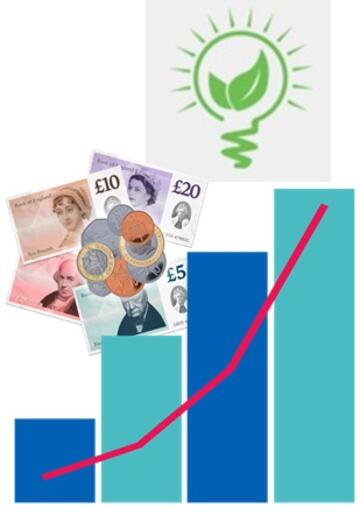
You will only be able to see the prices of different tariffs from your energy supplier.
You might be able to pay less for your gas or electricity with a different energy supplier.
- the amount of gas or electricity you have used
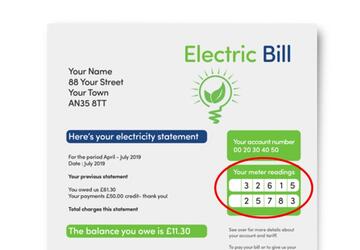
Energy suppliers use meter readings to work out how much gas or electricity you have used.
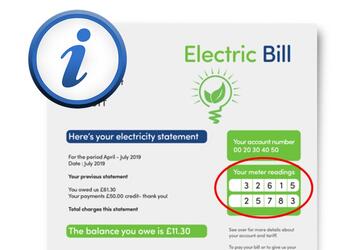
For more information about meter readings, go to our gas, electric and smart meter page.
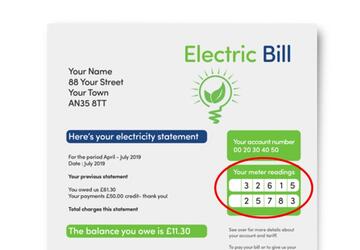
- a list of your recent gas or electricity meter readings
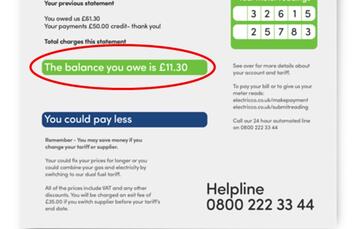
- how much money you need to pay
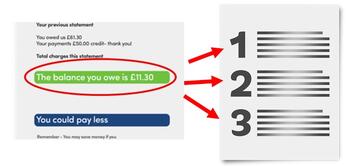
How much money you need to pay depends on 3 things:
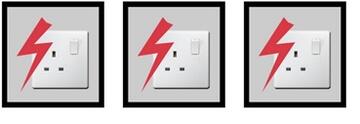
1. How much gas or electricity you have used.
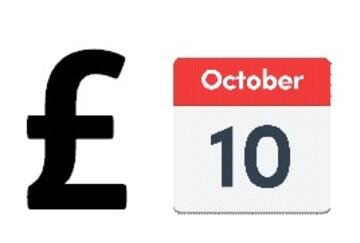
2. The standing charge for your gas or electricity.
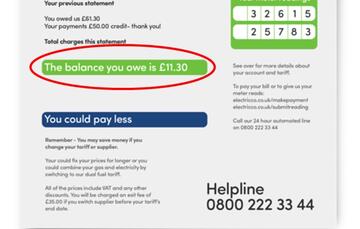
3. Your account balance.
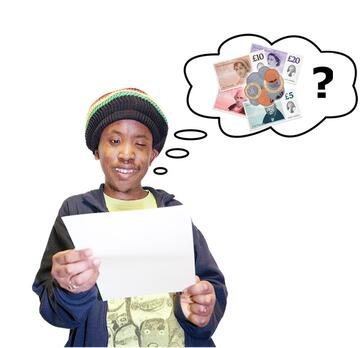
Your account balance tells you how much you owe your energy supplier or how much you are in credit.
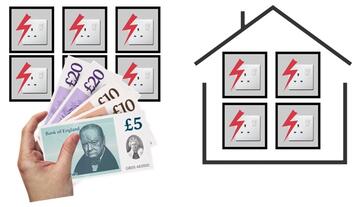
In credit means that you have paid for more gas or electricity than you have used.
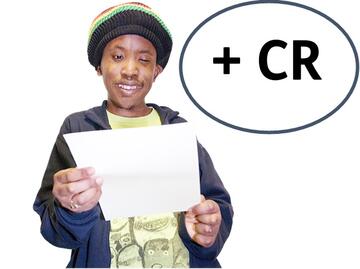
A credit balance will show as +, CR or a positive balance on your bill.
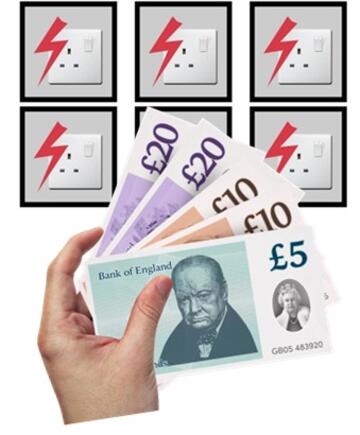
If you are always in credit on your bill, it could mean that you are paying too much.
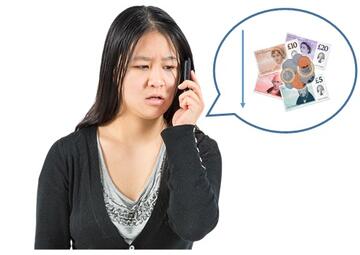
If you are always in credit on your bill, contact your energy supplier to see if you can pay them less.
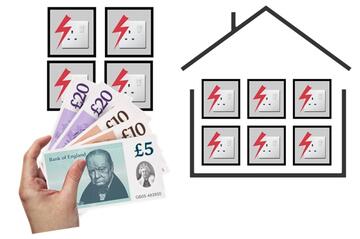
If you are in debit with your energy supplier, it means you have paid for less gas or electricity than you have used.
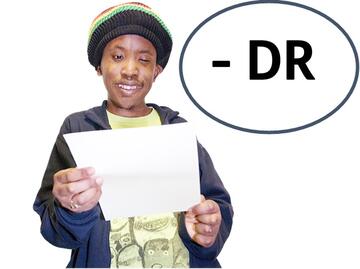
A debit balance will show as -, DR or a negative balance on your bill.
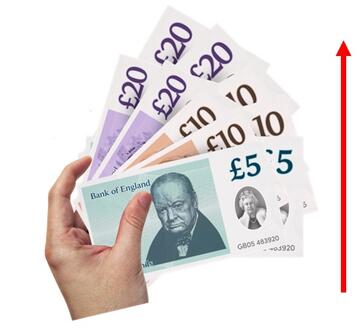
If you are in debit, you might have to pay your energy supplier more money.
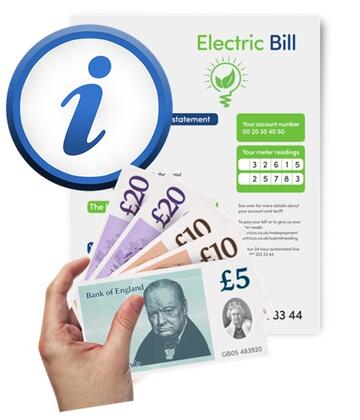
For more information about different ways to pay for your gas or electricity, go to our paying for your gas or electricity page.
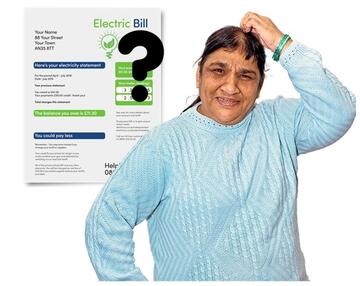
If you find it difficult to understand your energy bill, contact your energy provider and ask to go on their
Priority Services Register
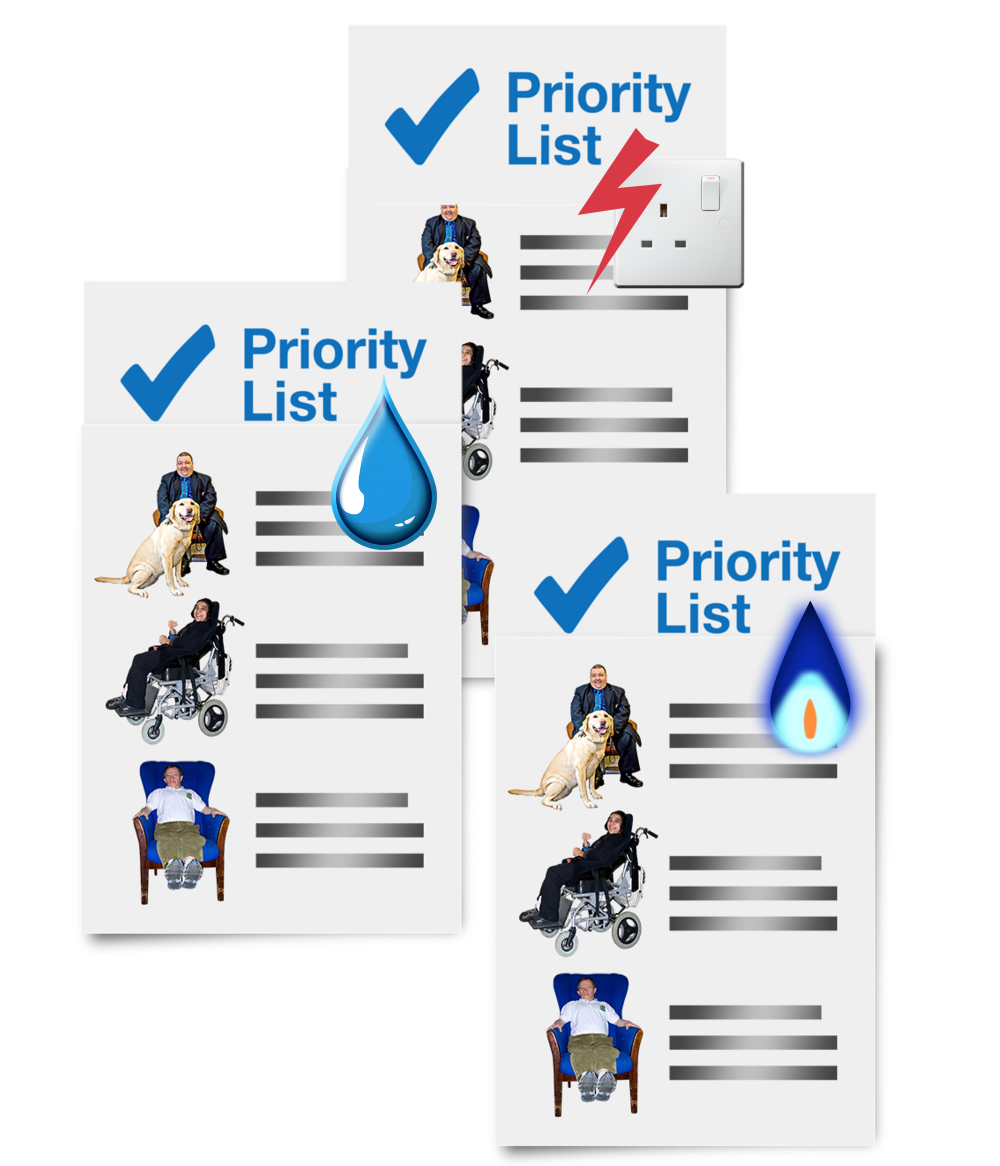 The Priority Services Register is a list of people who can get extra help with their gas, electricity and water. Each company that supplies gas, electricity or water has their own Priority Services Register.
.
The Priority Services Register is a list of people who can get extra help with their gas, electricity and water. Each company that supplies gas, electricity or water has their own Priority Services Register.
.
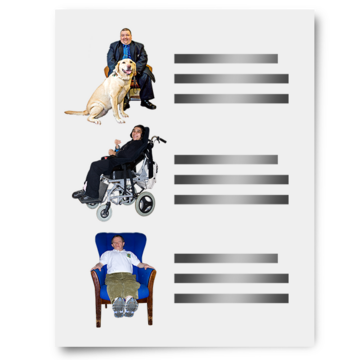
The Priority Services Register
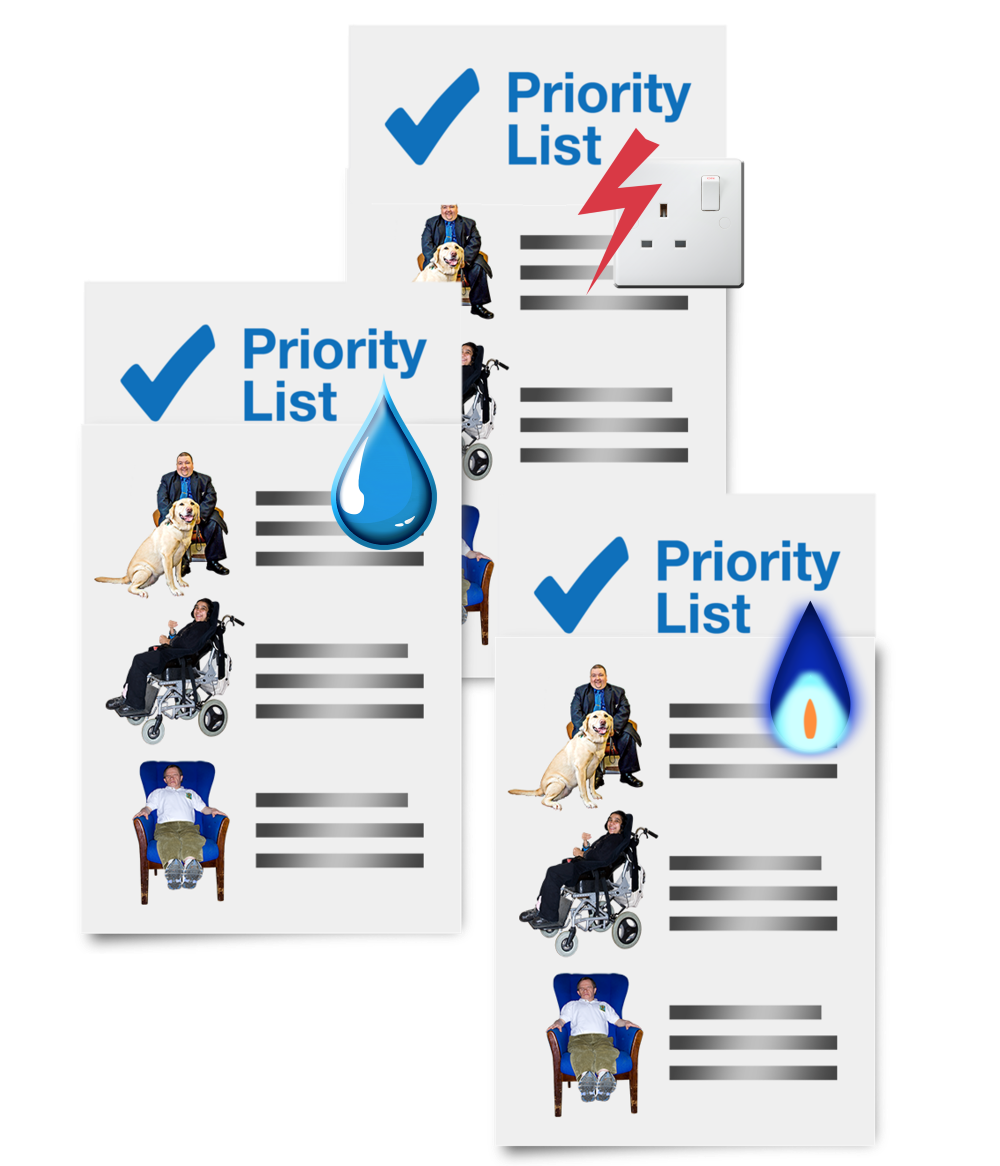 The Priority Services Register is a list of people who can get extra help with their gas, electricity and water.
is a list of people who can get extra help with their gas, electricity and water.
The Priority Services Register is a list of people who can get extra help with their gas, electricity and water.
is a list of people who can get extra help with their gas, electricity and water.
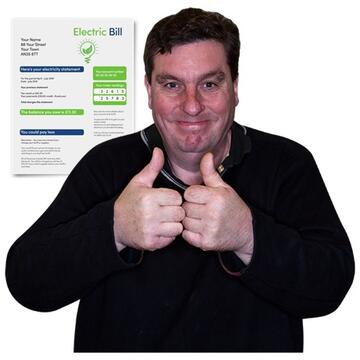
If you are on the Priority Services Register, you should be able to ask your energy company to make your bill easier to understand.
For more information about the Priority Services Register, go to our Priority Services Register page.
How to get help

You can get help and advice on our
website
 A website is a page you can go to on the internet like Google or YouTube.
at www.mencap.org.uk/COL
A website is a page you can go to on the internet like Google or YouTube.
at www.mencap.org.uk/COL
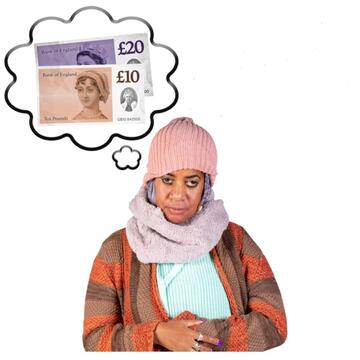
If you are worried about money, contact our Learning Disability A learning disability is to do with the way someone's brain works. It makes it harder for someone to learn, understand or do things. Helpline:

Call us Monday to Friday on 0808 808 1111

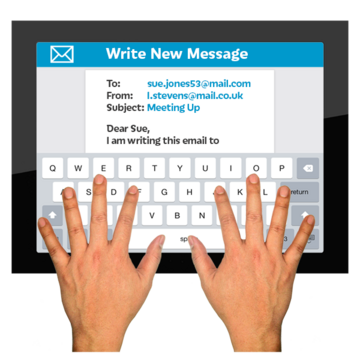
Email us at [email protected]
Thank you to So Energy for funding.

Return to the energy and money advice hub
This information was first published 05/11/2024
Last updated 22/01/2025.