
DCC open letter easy read
DCC open letter to the Prime Minister about education, employment and training for young disabled people

In October 2026, the Disability Charities Consortium (DCC) wrote an open letter to the Prime Minister, Rt Hon. Andy Burnham.
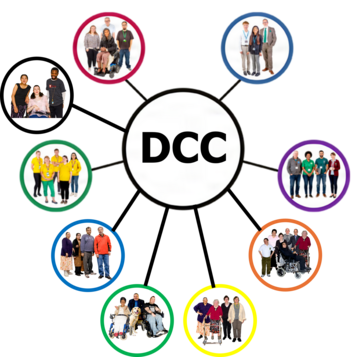
DCC stands for the Disability Charities Consortium, which is a group of disability charities that work together.
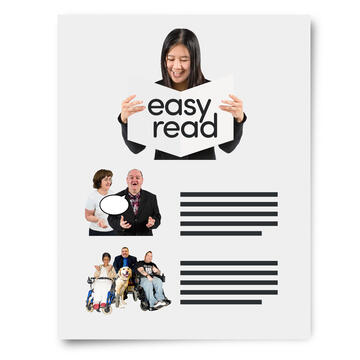
The letter asks the government The Government are the people who run the country. They decide how much tax people should pay for things and how things like the National Health Service should work. to help young disabled people get a fair chance in life.
This is an Easy Read Easy Read is a way of making written information easier to understand. Pictures are usually added next to the writing. version of that letter:

Dear Prime Minister,
When you were a child, you probably had big dreams for your future.

All young people should have a fair chance to make their dreams come true.

But right now, finding a good job is very hard for young disabled people.

Some bosses do not hire disabled people.

There are not enough jobs that offer the right support for disabled workers.

When young disabled people cannot find work, they are often blamed for a system that does not work.

A report called the Milburn Review says the system is failing our young people.

Nearly 1 million young people in the UK do not have a job or are not learning.
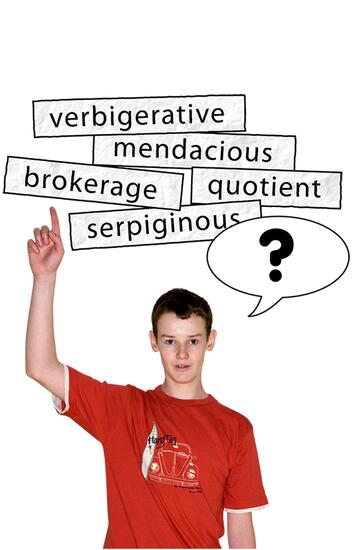
This is often called being NEET, which stands for Not in
Education
Education is when you learn things. When you fill in a form to get a job, education means you write where you went to school, college or university.
,
Employment
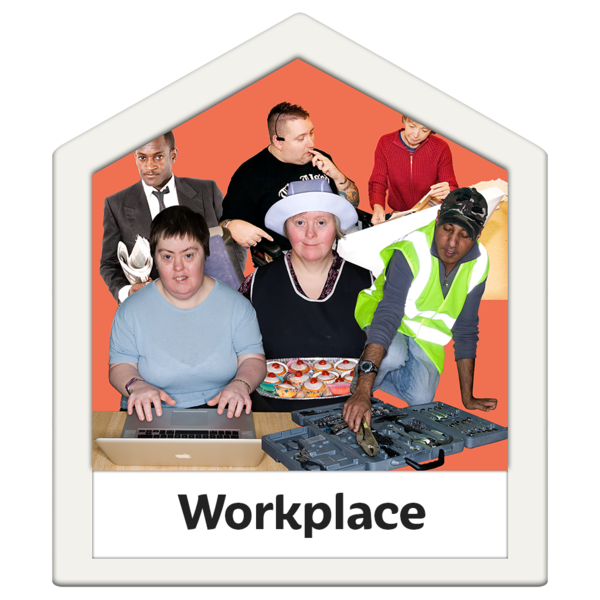 Employment means having a job.
, or Training.
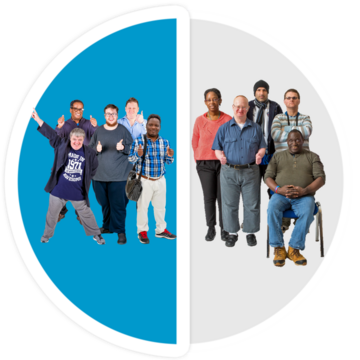
Between the years 2024 and 2025, almost half of these young people are not learning, training or working.

More young people also have mental health problems

Young disabled people face many barriers in their lives.

These barriers can be harder if a young person also has very little money, poor health, bad housing, or they're having a hard time at school.
SEND stands for Special Educational Needs or Disabilities, which is when children need extra help to learn.
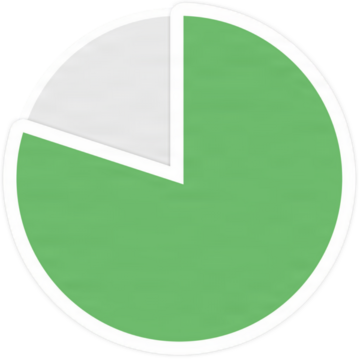
Young people with SEND are much more likely to have no job or place to learn than other young people.

If a young person is also from a poorer area they are much more likely to be left without a place to learn.
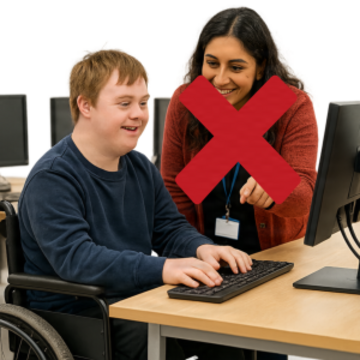
The DCC think it's wrong that it's often clear which children may need extra support, but they don't get it.

What needs to change
We must help young people early before they start to struggle.
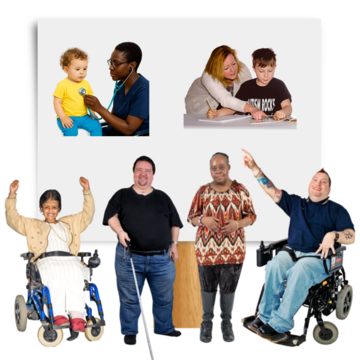
This means giving them a good start in childhood, good schools, and healthcare when they need it.

Young people must keep their benefit money while they try to find a job.
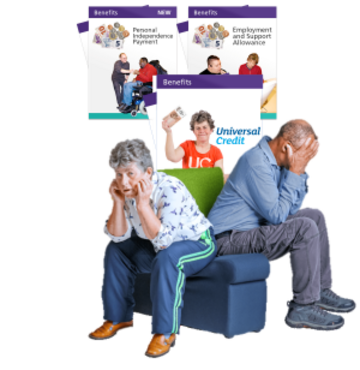
No one should worry about losing their money just because they tried to work.
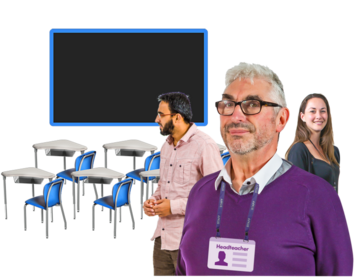
Young disabled people should get opportunities like internships, training, and apprenticeships.

They must have easy access to things that help them to work and learn. Like transport and care support.
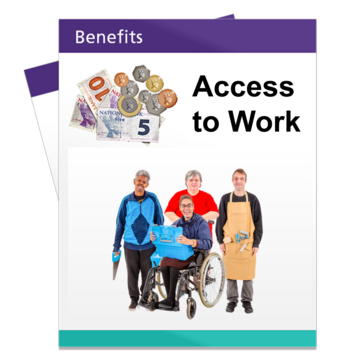
Employment support is important. Like Access to Work, which is a government program giving practical support help disabled people do their jobs.
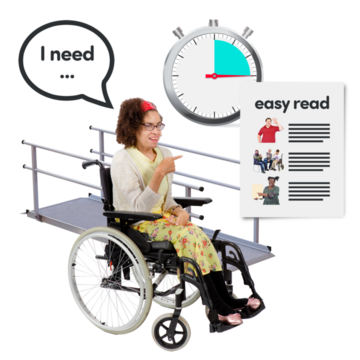
Employers also need help to make their offices and workplaces friendly for disabled staff.
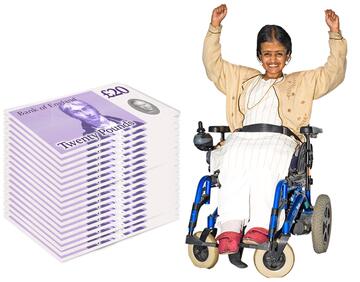
Disabled people who cannot work must get enough support to live a good and independent life.
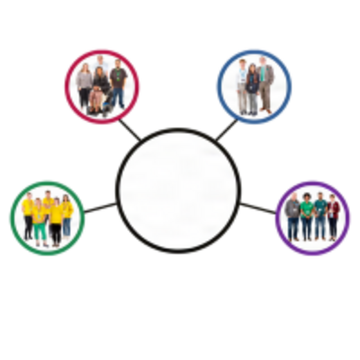
Different government teams must work together to help young people.
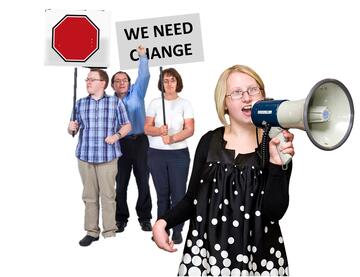
The government needs to act now to give young disabled people a better future.

This Easy Read was first published in October 2026
Last updated 09/10/2026.