
October 2026 DCC open letter to the Prime Minister

October 2026 DCC open letter to the Prime Minister
Rt Hon. Andy Burnham MP
Prime Minister
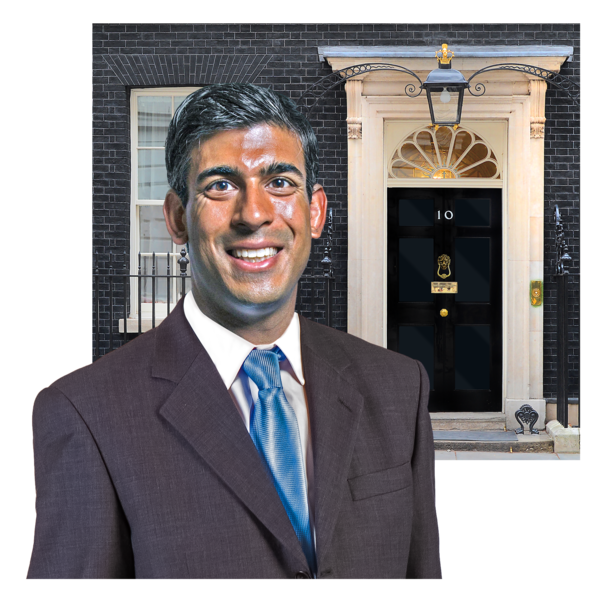 The Prime Minister is the leader of the government.
10 Downing Street
London
SW1A 2AA
12 October 2026
Dear Prime Minister,
We believe that investing in young disabled people shouldn’t be a fairy tale.
Do you remember being a child dreaming of your future? What did you want to be? An astronaut? Playing upfront for Everton? The Prime Minister? We're sure your dreams were endless.
We all have hopes for our children and the young people in our country. We can’t promise that every ambition will be realised, nor should we pretend that we can.
But we can promise something much more fundamental: A fair chance.
The prospect of a secure job shouldn’t be a fairy tale for young disabled people. But right now, for too many disabled young adults the challenge of getting even a paying job is more like a nightmare. Employers overlook them. Jobs with the right support don’t seem to exist. And when they end up out of work, they are often blamed for a system that failed them.
As the Milburn Review has diagnosed, we are witnessing a “whole-system failure” in support for the next generation. Nearly one million young people are not in
education
Education is when you learn things. When you fill in a form to get a job, education means you write where you went to school, college or university.
,
employment
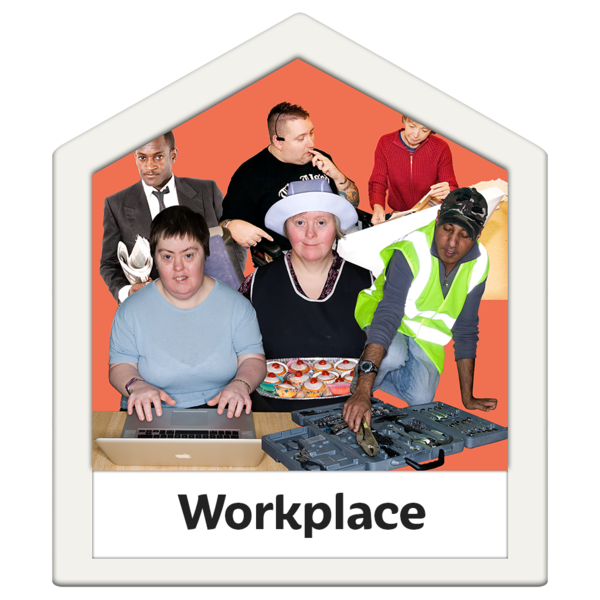 Employment means having a job.
or training, and those coming up behind them risk facing the same fate.
In 2024 to 2025, 45% of young people who were not in education, employment or training in the UK were disabled. Mental health is an increasingly significant part of this picture. Too often the system responds only at crisis point. We need radical change to anticipate and accommodate disability and health-related needs before a young person starts to fall behind.
For disabled young people, the way these failures compound can be particularly stark. Poverty, poor health, insecure housing, difficulties at school and lack of opportunity can interact long before a young disabled person reaches the labour market, while disability-related barriers can compound those disadvantages further.
It should shock everyone to know we are failing young people so badly. We’ve taken away the building blocks towards adulthood that previous generations took for granted. The crisis facing young people is real and the consequences profound.
Young disabled people aren’t short of ambition. What they need is opportunity and the right support.
No child or young person should have their future narrowed before they have even had the chance to choose it.
Young people with Special Educational Needs or Disabilities are around 80% more likely to be classed as NEET than average. Deprivation multiplies the risk eight-fold.
It’s a national scandal that we can see which children are most at risk of being left behind, often years before it happens, and still fail to act early enough.
Then, when they do fall behind, too often the question becomes what is wrong with the young person, rather than what support was missing.
Investing in prevention and support upstream is key: a strong start in early childhood, solid foundations in education, timely access to healthcare and flexible pathways into adulthood and work. But that cannot come at the expense of young disabled people who are struggling now.
Those already drawing on the safety net of social security must retain that stability while they receive the tailored support they need to move forward. Young disabled people need the right to try - no one should fear that taking up employment will be damaging.
Young disabled people should be able to pursue education, training and work, including through apprenticeships and
supported internships
A work placement for young people with additional needs, where they get support from a job coach.
. They must have upfront access to the enablers of health and care support,
accessible
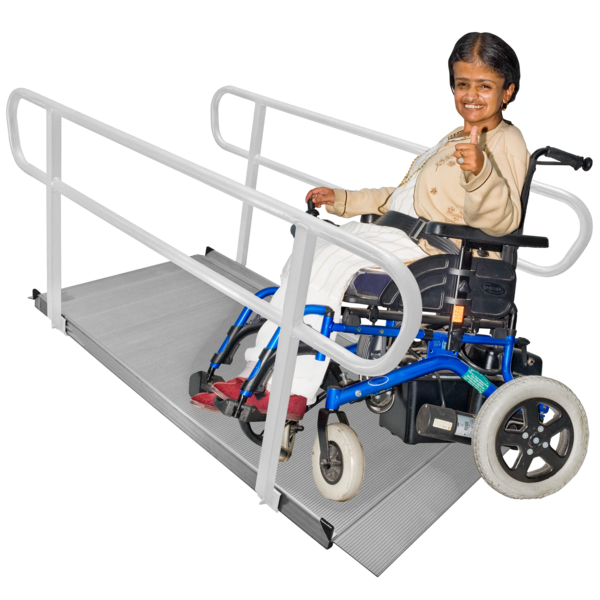 Accessible means something is easy for people to use or join in with. For example: Accessible writing means the writing is easy to read and understand.
transport and employment support (including Access to Work), they need to succeed. Employers, too, need the confidence and support to build genuinely inclusive workplaces. And young disabled people who cannot work must be protected and supported to live with
dignity
Dignity means you treat yourself and others well and with respect.
, choice and
independence
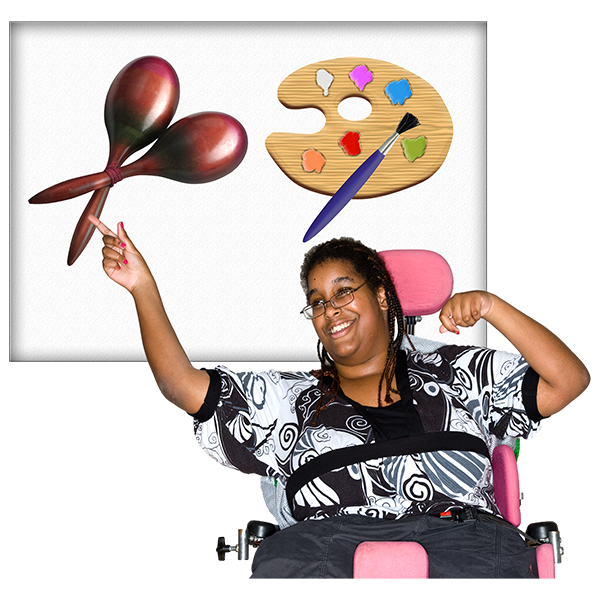 Independence means doing things on your own. Making your own choices.
.
This is bigger than employment policy.
Education, health,
social care
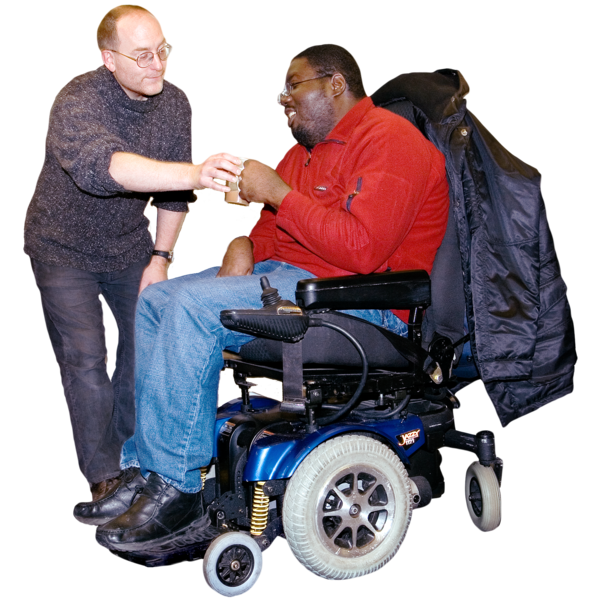 Social care means the services that give care and support to people who need it.
, transport, employment support and social security all have a part to play. But young people
experience
Experience is when you have learned or tried something before.
one life, not a series of government departments. Our response needs to recognise that.
The Milburn Review has laid bare the scale of the challenge. We are calling on government to match the ambition of our young people with the commitment and investment needed to rise to it: a national mission built around and with young people rather than the boundaries between government departments.
This generation of leaders has the power to change the story.
We can continue to intervene late, after opportunities have narrowed and young people have been left behind. Or we can act earlier, join up the systems around them and give them a genuine opportunity to build a future of their own.
That shouldn’t be a fairy tale. It should be the very least we expect.
Yours sincerely,
The Undersigned Chief Executives of members of the Disability Charities Consortium:
Jon Sparkes OBE, Chief Executive, Mencap (DCC Co-Chair)
Dr Sarah Hughes CBE, Chief Executive, Mind (DCC Co-Chair)
Diane Lightfoot, Chief Executive, Business Disability Forum (BDF)
Dr Ruth Owen OBE, Chief Executive, Leonard Cheshire
Peter Watt, Managing Director, National Autistic Society
Harriet Oppenheimer, Chief Executive, Royal National Society for Deaf people (RNID)
Simon Antrobus, Chief Executive, Royal National Society of Blind people (RNIB)
John McLachlan, Interim Chief Executive, Scope
James Watson-O'Neill OBE, Chief Executive, Sense
Cc:
The Rt Hon Louise Haigh MP, First Secretary of State, Chancellor of the Duchy of Lancaster and Minister for the Cabinet Office
The Rt Hon John Healey MP, Chancellor of the Exchequer
The Rt Hon Pat McFadden MP, Secretary of State for Work and Pensions
The Rt Hon Lucy Powell MP, Secretary of State for Education
The Rt Hon Yvette Cooper MP, Secretary of State for Health and Social Care
The Rt Hon Bridget Phillipson MP, Minister for Women and Equalities
The Rt Hon Jonathan Reynolds MP, Secretary of State for Business, Innovation, Science and Trade
The Rt Hon Angela Rayner MP, Secretary of State for Housing, Communities and Local Government
The Rt Hon Heidi Alexander MP, Secretary of State for Transport
The Rt Hon Sir Stephen Timms MP, Minister of State (Minister for Social Security and Disability)
This page was first published October 2026.
Last updated 07/10/2026.