
 By Mencap
There is a new kind of technology that you have probably heard about called AI, or Artificial Intelligence. An AI is a computer program that will generate a detailed response to what you write to it. Some types of AI will generate text as if you are having a conversation with them. These text-generating AI are also sometimes called LLM, which means Large Language Model.
AI has become very popular very quickly, with lots of people using it every day. You can ask AI to give you information or help you with tasks just by chatting to it. This makes it a very useful tool for people with a learning disability A learning disability is to do with the way someone's brain works. It makes it harder for someone to learn, understand or do things. . However, even though you can have a conversation with AI, it is important to remember it is not a real person. AI does not think or feel, even though it might seem like it does. An AI is basically a clever way of the computer presenting information to the person using it. It might be helpful to think of it as an advanced type of search engine, like Google.
Lots of platforms (websites and apps) are now using AI. For example, now when you use Google there will sometimes be text generated by Gemini. Gemini is the name of Google’s AI. Other common AIs include ChatGPT, and Grok on Twitter/X.

Is AI useful for people with a learning disability?
AI is a useful tool for lots of things such as:
- Checking for mistakes in your work
- Breaking down a big document into a summary
- Talking you though a complex problem in a simple way
- Answering questions that are too complex for a basic Google search to answer.
Lots of these uses can be very helpful for someone with a learning disability. However it is important to remember that the information an AI gives the user is not always correct. AI can make mistakes, and it can make things up. It will respond with whatever it calculates is most likely to keep the person using it. Any information you get from an AI should be double-checked. Having a learning disability can make this incorrect information harder to spot. If you are unsure, always check the information with someone you trust, or with a verified website like Mencap’s.
AI Image-generators
Another popular type of AI are AI image-generators, such as MidJourney, ChatGPT, and DALL-E. These programs can generate images and even videos just by someone telling the AI what they want it to make. These pictures and videos can look very realistic, and many people struggle to tell if some images online are real, or fake ones made by someone using AI.
Can you spot the real from the unreal?
Just by looking at the two images shown, can you tell which were made with AI?
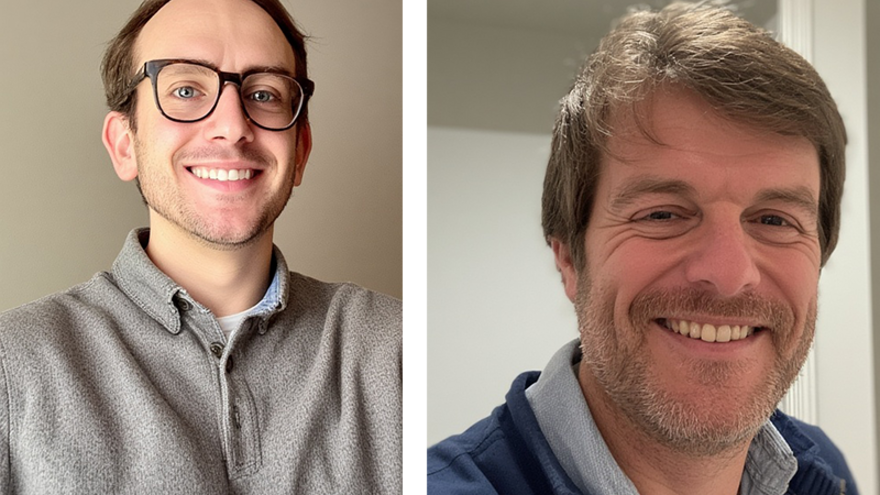
The pictures may look real at first, but both were made with AI, neither of these men are real people. There are newer versions of AI that can create images more realistic than these. Real photos can also be edited with AI to make people look different than they really do. Always think twice about pictures and videos that you see on the internet. If something doesn’t look real, it might not be.
Concerns about AI
Lots of people have concerns about the sudden rise of AI use.
Some people are worried that all the AI images on the internet are making it hard to tell what is real and what is not. This can become dangerous when criminals use AI images to trick and scam people online.
If you have a learning disability it is extra important to remember that people online may not be who they say they are. Some types of AI can even be used to generate audio that sounds like a person’s voice. There are also worries about AI being used to impersonate or defame real people.
There are also lots of concerns around AI plagiarising (stealing work). This is because the AI is trained to work the way it does by learning from work that people have already done. Some artists have found AI-generated pictures that they think show signs of using pieces taken from their work. The AI-generated images of people are made by using information taken from photographs of real people. As well as this, many people are worried that they might lose their jobs as AI are used to do them instead.
AI is also a strain on the environment, because it uses a lot of electricity to run and water to keep cool. This is bad for the planet, especially in areas local to where the computers belonging to the AI companies are kept.
There are also conversations about whether society should be so quick to become dependent on this new technology when it has not been fully figured out. Some people think more
research
Research is a way of finding out information which could come from books, or asking people what they think.
and safeguards are needed to be put in place before AI is used everywhere, in case people become too dependent on using it. There are concerns that some
vulnerable
Being vulnerable means being at risk of harm, or that you need special care because of your age or disability.
people may start to talk to AI all the time instead of real people. There have been some examples of AI encouraging people to think unhealthy or even dangerous things. This is why it is so important to be aware of the dangers of AI, especially if you are a vulnerable person or have a learning disability, or if you are a
support worker
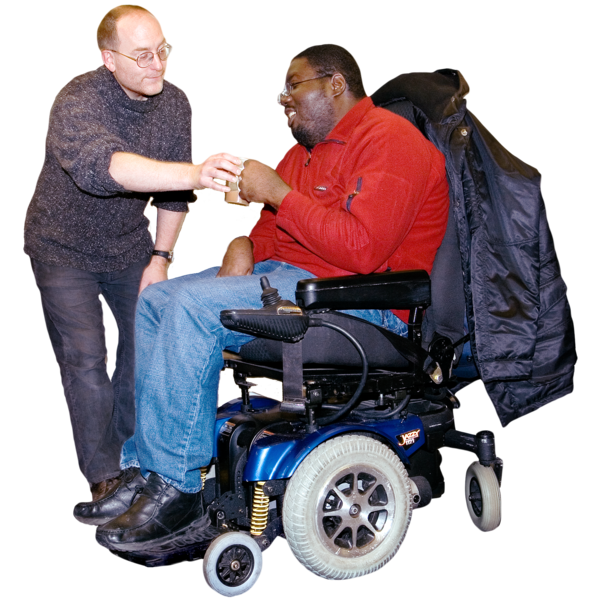 Support workers are people who are paid to give care and support to people who need it.
. Remember an AI cannot give the same support as a friend, doctor, or family member.
Staying safe online and on the phone
Despite all these concerns, there is no denying that AI is a groundbreaking new technology with many exciting uses, and it seems to be here to stay. If you choose to try and use AI, it is important to stay safe while doing so, especially if you have a learning disability. Remember to follow these tips:
- Always double check any information AI gives you with someone you trust, or a trusted source
- Don’t share any personal details with AI (bank account details, address, private information)
- If anything seems strange, scary, or unsafe, talk to a trusted person before acting on it
- Remember that people online may not be who they say they are, lots of scammers use AI to trick people.
- Always remember that an AI is a tool, not a person, and it cannot replace real support.
Further information about internet safety
For more information about internet safety, including tips for people with a learning disability and their supporters, you can visit Internet Matters. And if you have a learning disability and have any questions or concerns about technology or mental wellbeing you can contact our Learning Disability Helpline to speak to one of our friendly and supportive advisors.

Thank you to the National Lottery Community Fund for their generous grant, funding this work.