
 Vijay Patel
What is co-production?
Co-production means involving people with a learning disability A learning disability is to do with the way someone's brain works. It makes it harder for someone to learn, understand or do things. from the beginning of a project right through to the end. Our experience Experience is when you have learned or tried something before. and expertise should help shape the work from the start.
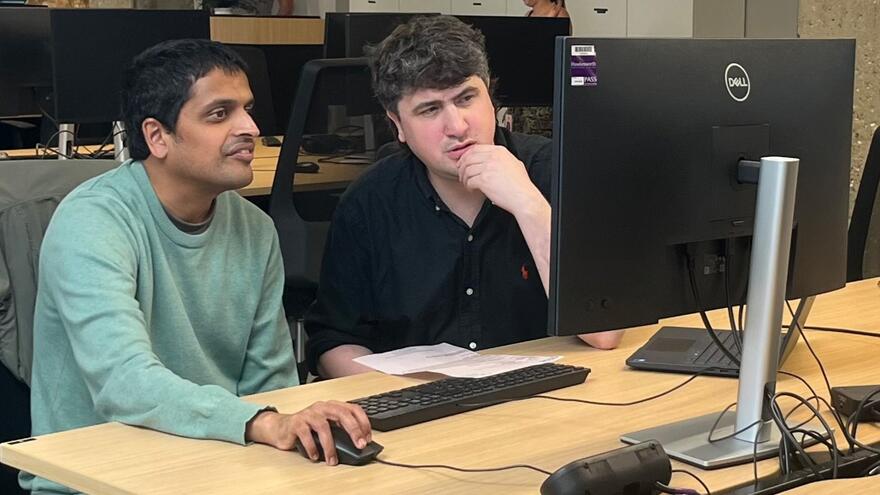
That’s why I’ve been proud to be involved Involved is being included in something or taking part in something. in developing an Easy Read Easy Read is a way of making written information easier to understand. Pictures are usually added next to the writing. Co-Creator Tool with Google DeepMind and Mencap.
Why Easy Read matters to me
Easy Read is something I am really passionate about.
When information isn’t
accessible
 Accessible means something is easy for people to use or join in with. For example: Accessible writing means the writing is easy to read and understand.
, everyday life can be much harder for people with a learning disability.
I find things like bank letters, online applications and forms difficult when they aren’t written clearly. If I can’t understand the information I’ve been given, it can make it harder for me to make my own decisions.
For me, accessible information is about inclusion, independence
Independence means doing things on your own. Making your own choices. and having the information you need to make choices for yourself.
Being involved from the beginning
I first heard about the project when we pitched it to Google DeepMind in January, and the project started around February and March.
I wanted to get involved because I have experience of Easy Read and wanted to help think about how a tool could support people with a learning disability.
Importantly, we weren’t brought in when the tool was nearly finished. We were there while it was being developed.
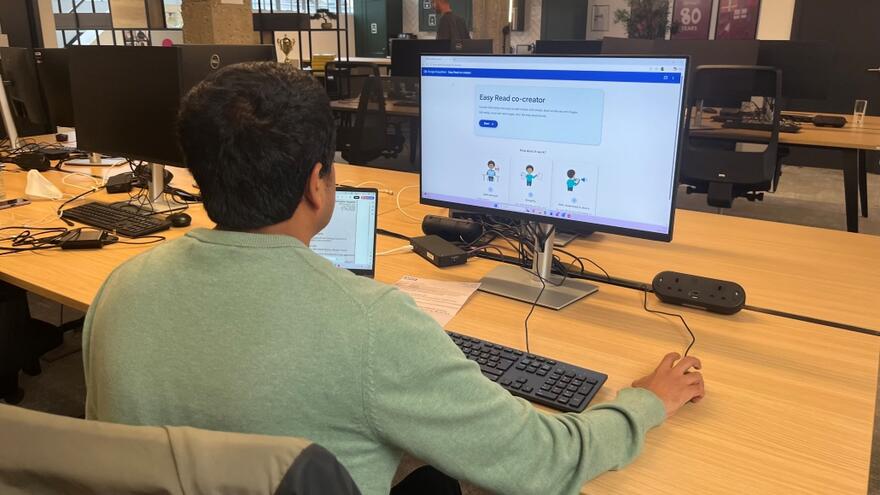
I tested early versions, looking at things like the images,
accessibility
Accessibility is about making it easier for someone to join in, get, use or do something.
and background. We gave feedback and the team made changes.
That’s what good co-production should look like.
My lived experience was treated as expertise
One thing that stood out was feeling listened to.
When I gave feedback, colleagues from Google DeepMind took my thoughts on board. I felt valued because of my knowledge Knowledge is knowing a lot about something. and experience of Easy Read.
People with a learning disability know what accessible information looks and feels like because we use it in our lives. Our lived experience is expertise.
Bringing different expertise together
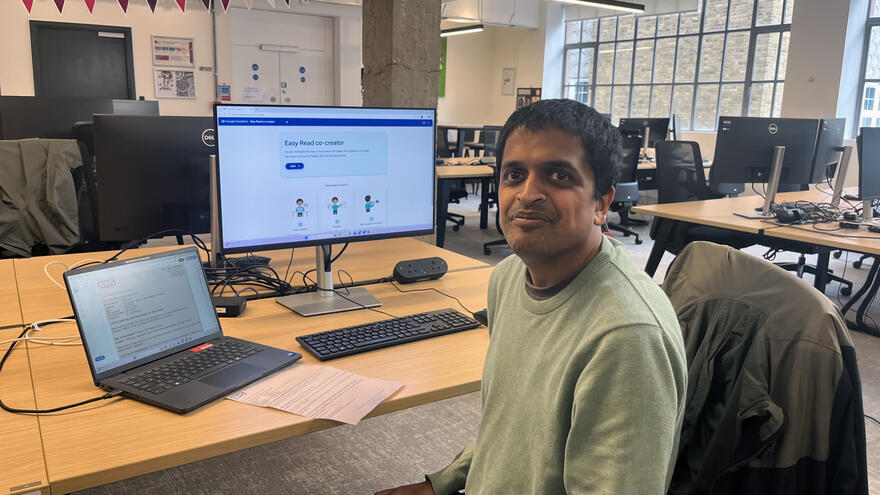
This project brought together Mencap’s Easy Read experience, the lived experience of people with a learning disability and Google DeepMind’s technology.
Technology on its own isn’t always going to choose the right information or images. You need people who understand and use Easy Read to check what has been created.
Technology shouldn’t replace people
This tool is a co-creator. It isn’t there to replace people with a learning disability. Human review is essential. Someone with lived experience should check that the information is correct, the images work and the finished Easy Read really is accessible.
People should also have a choice about whether they want to use a tool. The person must always come first.
What difference could this make?
I want organisations Organisations are groups like companies and businesses. to think about where we would be if we didn’t have Easy Read. Accessible information shouldn’t be an extra. It should be part of how organisations communicate.
If more organisations create accessible information, more people with a learning disability can understand information, make informed decisions and participate fully in society.
My hope for the future is simple:
Easy Read should be there everywhere, permanently.
