For many people that have a
learning disability
A learning disability is to do with the way someone's brain works. It makes it harder for someone to learn, understand or do things.
, and people with other conditions that mean they rely on some kind of
financial
Financial means anything that is to do with money. It is used to describe how people, businesses, or governments get money and how they use it
support, navigating the system which gives this kind of help is extremely complex and inaccessible. That is whether applying for or even being awarded the benefit. In our new Social Security Vision Statement, which has been co-produced by people with lived
experience
Experience is when you have learned or tried something before.
as part of Mencap’s
Voices Council
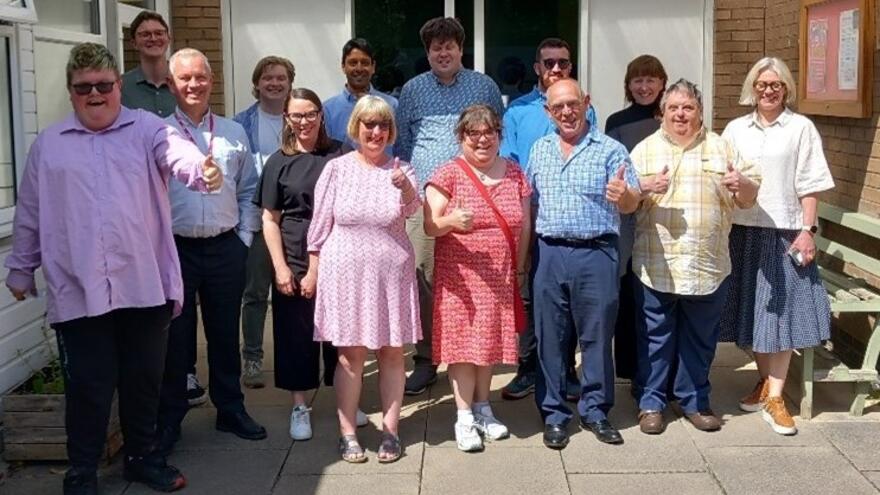
 The Mencap Voices Council are a group of 12 people with a learning disability. They share their views and experiences to help Mencap's Board of Trustees make decisions.
supported by Mencap staff who have provided insights as part of their roles, we have set out what we believe should be the approach to supporting people in a fair way with welfare and what needs to be in place for the right
employment
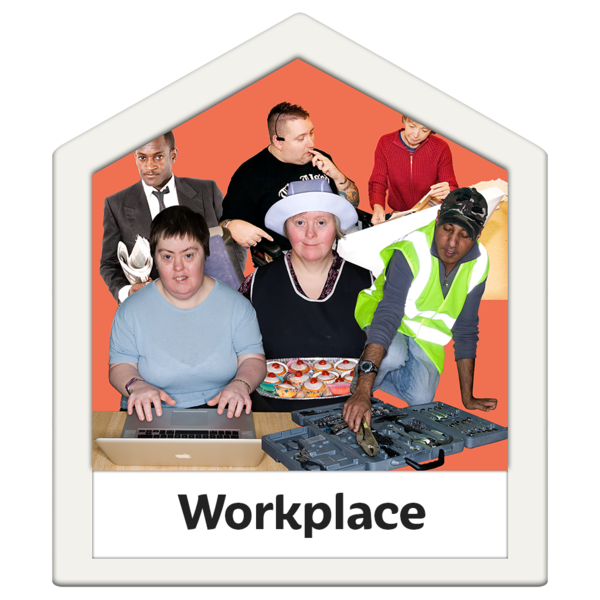 Employment means having a job.
conditions. 'Benefits’ are often thought of as a perk or an extra, with people receiving money for free. We made an early decision to use social security because it makes us think of being part of society and our
rights
Rights are the things everyone should be allowed to do like have a say, or go to school.
as individuals.
As anyone following news headlines over the last few months will know, our conversations have been shaped by the current government’s welfare reforms. Since we began this project at the end of last year, we knew that the subject itself was very broad and the specific welfare types that people with a learning disability might get e.g.
Personal Independence Payment
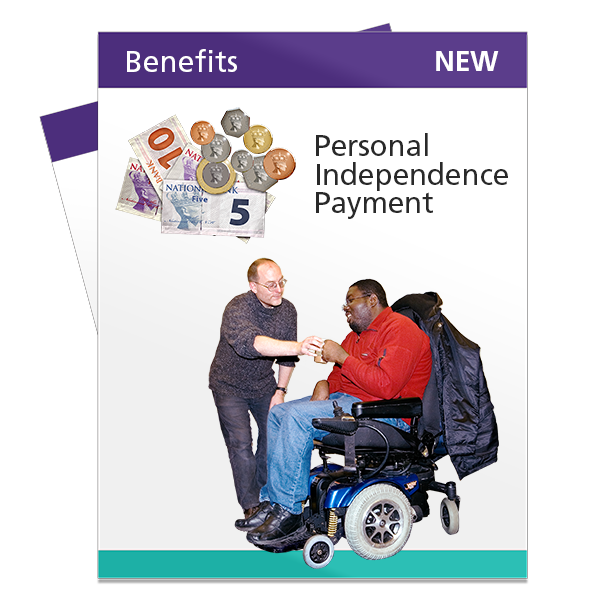 Personal Independence Payment (PIP) is the name of a benefit that some people with a disability or health condition get. The money is to pay for extra help you might need to look after yourself and to get around. Some people who used to get Disability Living Allowance (DLA) now get PIP instead.
(PIP) and Universal Credit. We had to make sure when looking at social security, we had to focus on practical ways that support could be improved.
Whilst developing the Vision Statement, there were 5 key themes that we wanted to address:
- Living and coping with negative experiences/knockbacks
- What is the right support?
- How do you find work opportunities?
- How accessible is the system specifically the DWP DWP stands for the government Department for Work and Pensions. and how accessibility Accessibility is about making it easier for someone to join in, get, use or do something. is embedded? With a call for transparency, particularly of processes and lessons learnt and decisions
- How do supporters interact with the benefits/social security system and how successful is this?

If we are to create a safer and supportive work for anyone with a learning disability, this includes having a work culture which accepts reasonable adjustments as standard, communicating in plain English (verbal or written) with potential employees and preventing any possible biases where false assumptions about someone’s ability influences decisions.
It makes sense that if someone has not yet previously been employed before, there will need to be dedicated support from places like the Job Centre to allow people with learning disabilities to become ‘work ready’. This might be how to dress, getting to work on time and how you talk/behave with other colleagues. In our meetings, we talked about whether Job Centres across the country and LD and
autism
 Autism is a disability. Autistic people find it difficult to understand what other people think and feel. They also find it difficult to tell people what they think and feel. Everyone with autism is different.
champions in their locations, which is not consistent across the
service
A service gives people what they need, like healthcare services that help people when they are ill, and support services that give people support.
. This is something which could easily be fixed.
Turning to social security, one of the biggest flaws is with communication. We know assessors are beginning to be trained on learning disability, but we know that they can do more to understand the needs of people with a learning disability. This is especially important when many of the services and information is only available online, like the Universal Credit journal, which excludes a large number of people who have little or no access to technology. These are concerns which we need to understand more about what the DWP is doing to support people in using technology and to become more confident. We had several other considerations, like whether PIP should be linked to
National Insurance
 National Insurance is a type of tax. It is money that is taken out of the money you earn each month. You pay National Insurance so that you can get a pension when you are older.
contributions, which will give more financial security to those who claim this when not in employment. Crucially, we need to change how the system is talked about and how it is understood by the wider public. With the welfare system undergoing enormous changes and uncertainty as to how
the government
The Government are the people who run the country. They decide how much tax people should pay for things and how things like the National Health Service should work.
will resolve it, this Vision Statement helps to set our vision as the Voices
Council
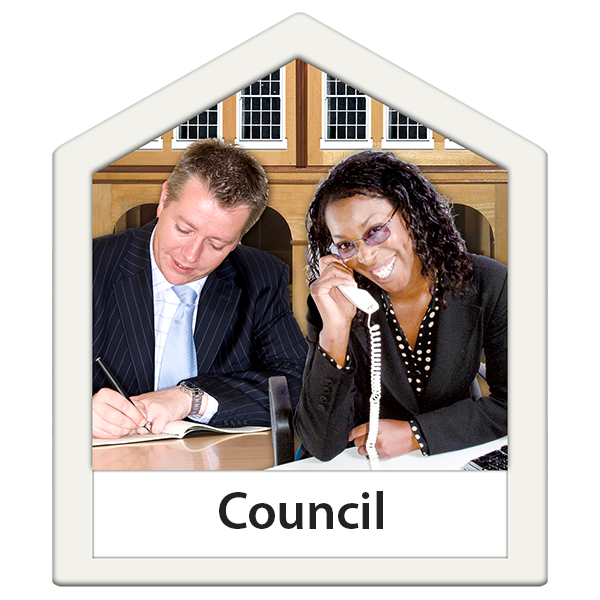 A council is also called a local authority. They are a group of people who make decisions about some of the things in the area where you live. These include: schools, social care (support for people), parks and dustbin collection.
on what can be done.
About the Mencap Voices Council
The Voices Council are a group of 12 people with a learning disability who share their views and experiences to help Mencap’s Board of Trustees make decisions.