
 By Mencap
Who are GRT communities?
“GRT” stands for Gypsy, Roma and Traveller. It is a collective term for several distinct communities, each with their own history, culture and traditions.
While some people travel, many live in houses or on sites. A person can be Gypsy, Roma or Traveller whether they travel or not. GRT communities are part of everyday life across the UK, as neighbours, classmates and colleagues.
However, these communities still
experience
Experience is when you have learned or tried something before.
inequality and harmful stereotypes, which can affect
education
Education is when you learn things. When you fill in a form to get a job, education means you write where you went to school, college or university.
,
employment
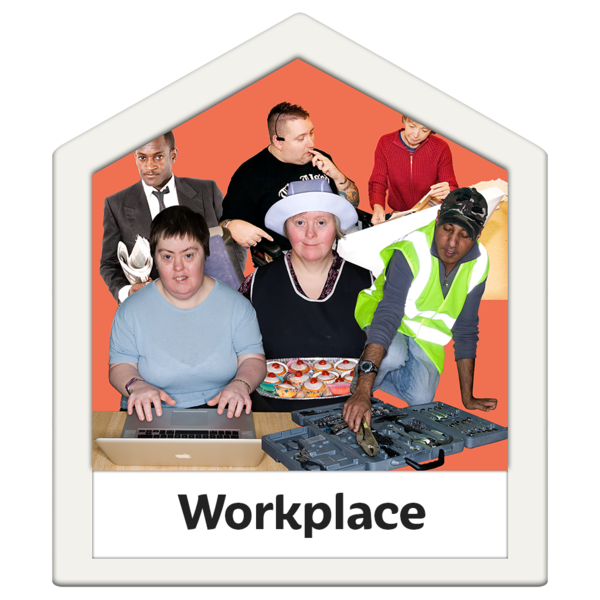 Employment means having a job.
and access to healthcare.
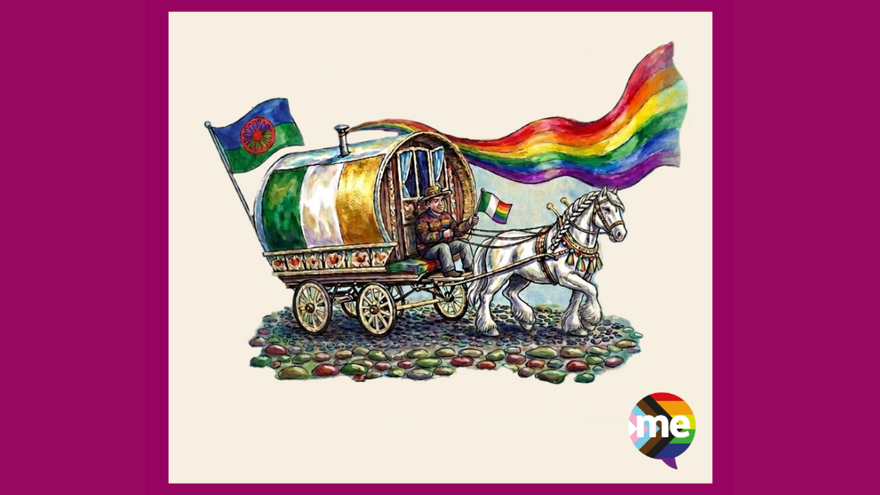
The image above was created by Jonny, our GRT lived experience advisor to represent his community A community is the people and places in an area. . It was made using AI.
Why this matters for Mencap
People with a learning disability A learning disability is to do with the way someone's brain works. It makes it harder for someone to learn, understand or do things. are part of every community, including GRT communities.
Research by Friends, Families and Travellers and Amaze found that people with a learning disability in Gypsy and Traveller communities are often under-identified and may miss out on support, with families not always given clear information about what help is available.
This means some people do not get the right support early enough, or in a way that works for them.
At Mencap, we want people with a learning disability to be seen, heard and supported, whatever their background.
Barriers to healthcare
Some GRT people face additional challenges when accessing healthcare.
For example, although NHS The NHS is the National Health Service. The NHS gives free healthcare to everyone in the UK and includes things like your GP (doctors) surgery and hospitals. guidance Guidance means being given clear instructions to be able to do something well. says you do not need a fixed address to register with a GP, people are sometimes still asked for one in practice. This can make access harder for people living on sites, roadside or who move between places.
Past negative experiences or
discrimination
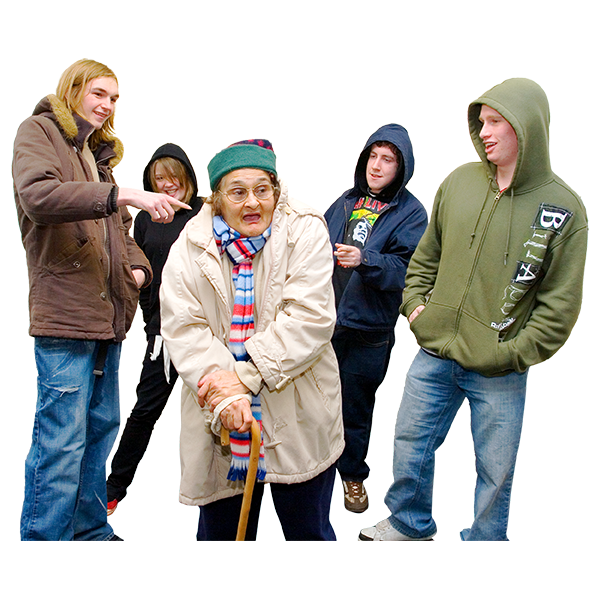 Discrimination is when someone is treated differently (usually in a bad way) because of things like their disability or their religion.
can also reduce trust in services. This can make people less likely to seek help.
For people with a learning disability, this can mean missing out on vital support such as:
- being on the learning disability register
- reasonable adjustments like Easy Read Easy Read is a way of making written information easier to understand. Pictures are usually added next to the writing. information or longer appointments
- annual health checks from age 14
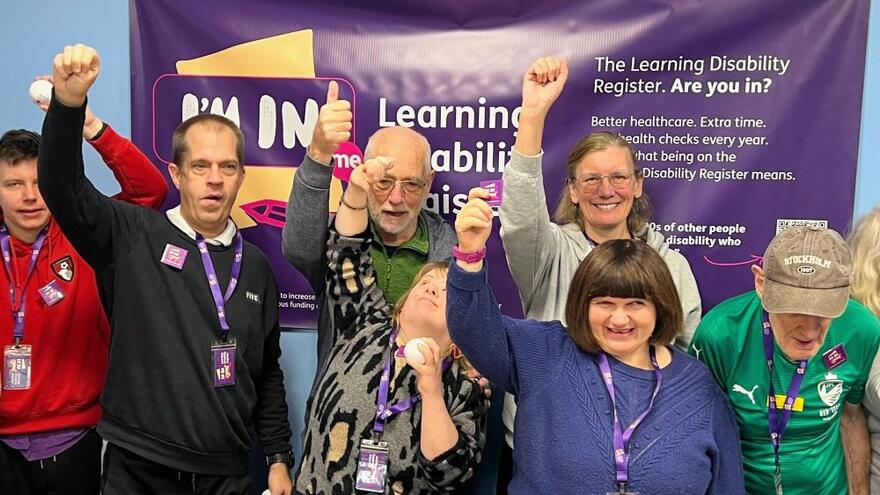
I'm In: How do I join?
Join the 1,000s of other people with a learning disability who have said "I’m In".
When you join our campaign A campaign is when people work together to try to change something. , we’ll send you a free I’m In badge to show your support and spread the word.
What Mencap is doing
As an Irish Traveller and Outreach Caseworker, I work directly within the community to break down barriers and build trust with individuals who often feel excluded from support. At Mencap, we strive to ensure that our approach is inclusive, culturally aware, and accessible
Accessible means something is easy for people to use or join in with. For example: Accessible writing means the writing is easy to read and understand. . This way, people with learning disabilities from Traveller communities can receive the help they need without feeling judged or overlooked.
Mencap is working to make health and care services more inclusive by:
- campaigning for better access to healthcare for people with a learning disability
- promoting the
learning disability register
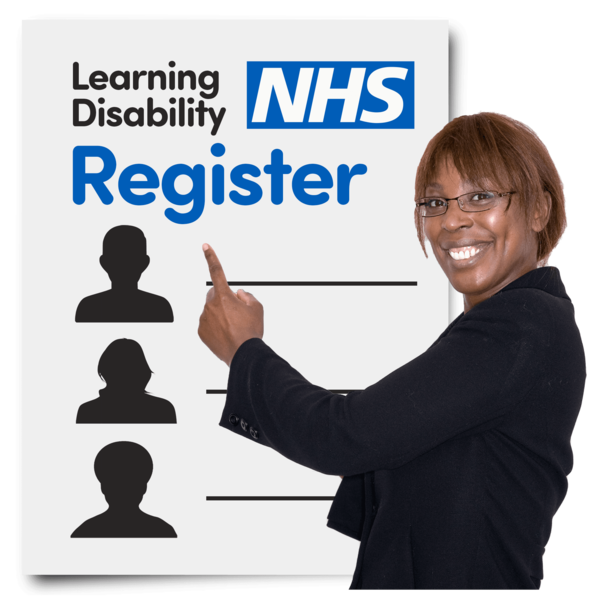 The learning disability register is a list of people with a learning disability that the doctor’s surgery looks after.
and annual health checks
- providing accessible information, including Easy Read
- working with partners to highlight the needs of people facing multiple barriers
We support a system where everyone is recognised and can get the care they need.
What services can do
Services can improve access by:
- making GP registration easier and not requiring a fixed address
- offering information in plain English and Easy Read
- providing flexible ways to book and attend appointments
- training staff to understand different communities and experiences
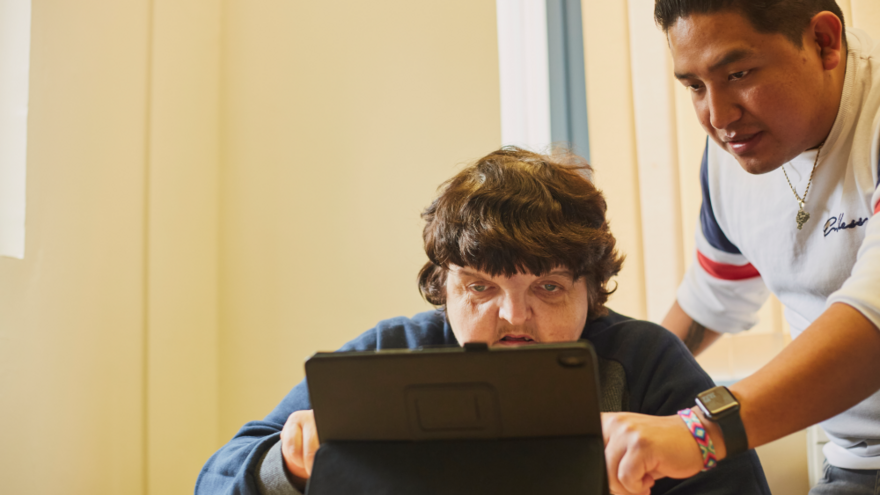
Services should also look to employ people from Gypsy, Roma and Traveller communities. Representation is important, and people with lived experience can help services better understand the specific barriers faced and the types of support that are most effective. Having staff from these communities can build trust, improve communication and help ensure services are designed in a way that truly meets people’s needs.
Listening to people with a learning disability and GRT communities is key to improving services.
Learning from GRT History Month
GRT History Month is a chance to celebrate culture and community, and to understand where change is needed.
It reminds us that people with a learning disability may face more than one barrier — and that services must work for everyone.
To learn more about Gypsy, Roma and Traveller communities, a good place to start is the Friends, Families & Travellers website.
Thank you to the National Lottery Community Fund for their generous grant, funding this work.
Thank you to the British Gas Energy Trust for their generous grant, funding this work.