
 Amy Clarke
This week we saw the start of a new storyline in EastEnders, where teenager Will Mitchell has to act as a carer for his younger sister, Janet, who has
Down syndrome
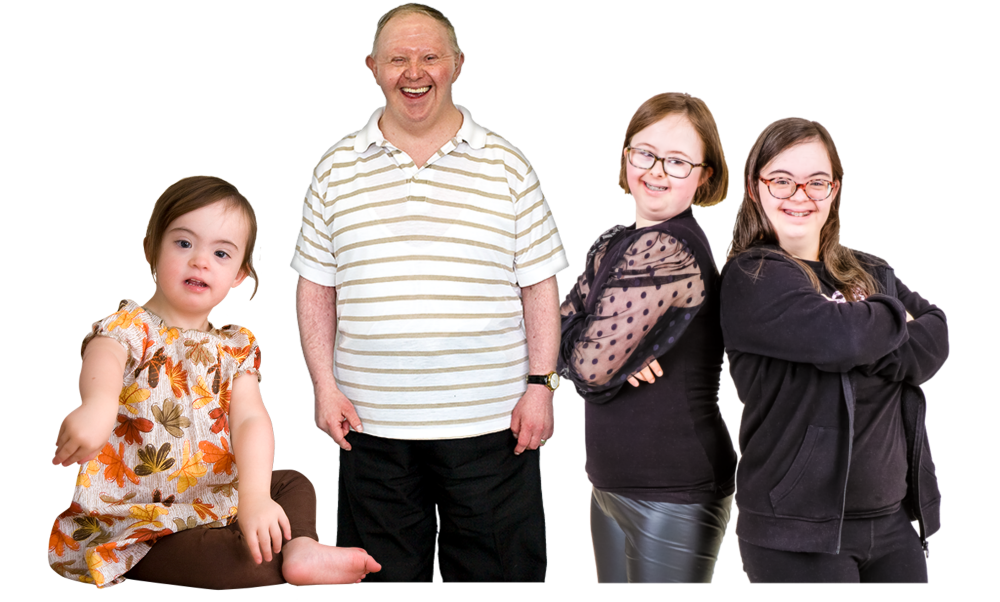 Down syndrome, also known as Down's syndrome, is a type of disability. People with Down syndrome may find it hard to learn new things and may need support. They may have more problems with their health too.
.
It’s part of the BBC’s Caring Matters week, which is all about shining a light on the work that carers do. A few of their shows are featuring carers sharing their stories, and ex-EastEnders actor Natalie Cassidy (who played Sonia Jackson) is appearing in a real-life show where she is a student carer.
Will has always been a supportive brother to Janet, defending her from bullies and criticising his grandad for outdated views about Down syndrome. But being a good brother and being a carer aren’t the same thing. As Will said in an episode this week, "I'm a carer, bodyguard, interpreter, best mate, all in one... I'm always on duty,"
There are lots of reasons people can become carers. Natalie Cassidy is doing her show because she cared for her dad when he was unwell. In the EastEnders storyline, Will Mitchell has to take on caring responsibilities because his mum, Honey, is in hospital, so he’s having to help with his sister.
I think it’s good that TV programmes show that not everyone has a choice in being a carer. Things happen in life. Circumstances out of our control like an accident or illness, means anyone might have to step up for someone they’re close to and become a carer.
But it’s also important the programmes show the reality of being a carer. It can be a tough role and take a lot out of you. Someone I know is a full-time carer for her child, who has a few diagnoses which means he needs a lot of support. He’s also not been able to attend school for the last few months.
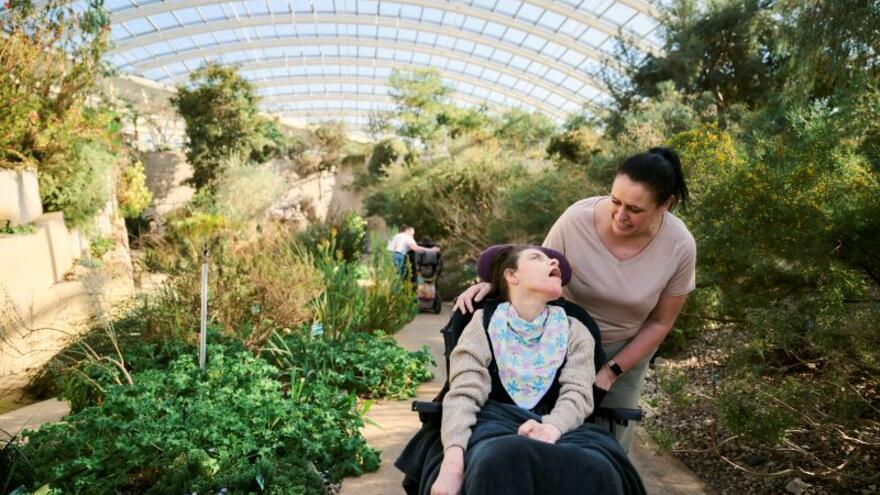
She told me that for her, being a parent carer is a 24 hour a day, 7 day a week, 365 day a year job. She has to make sure she stays healthy and looks after herself, because if she’s unwell there isn’t a lot of help that she can rely on for him. She also says that it’s sometimes not very easy to take her own advice though.
I think a lot of carers probably feel the same way, doing everything they can for their loved ones and sometimes ignoring their own needs because they just have to keep going.
There is help out there – local councils, organisations Organisations are groups like companies and businesses. like Carers UK and Carers Trust, and Mencap can offer help and advice. It can be overwhelming trying to find help for yourself on top of caring, but I would say people should do what they can to make sure they get help when they need it.
That could be
financial
Financial means anything that is to do with money. It is used to describe how people, businesses, or governments get money and how they use it
help, or emotional support, but I’d also say
respite
 Respite is when a person goes somewhere for a few hours or days to have a break. People with a learning disability can have respite from their carers and family, and carers and family can have respite from the people they care for.
from caring should be something people look into. It’s important people have the chance to take a break from their responsibilities to rest and recharge, to make sure they’re well.
Taking some time to speak with other carers to share how they feel and get advice from people that understand what it’s like and face similar challenges to them can also be a big help.
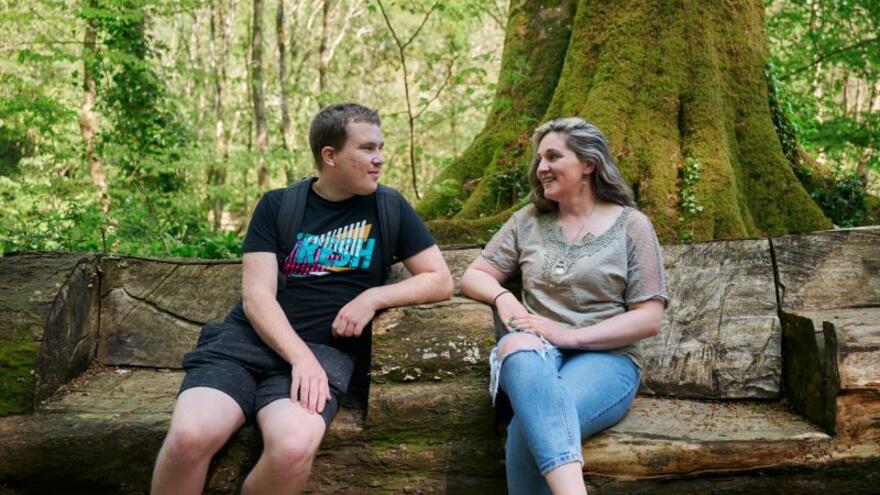
For young carers, like Will Mitchell, caring might mean things like school or college are more difficult, and chances to meet up with friends are limited. Already this week we saw WIll was a bit annoyed as he had to miss out on going to a rave that he was excited about, as he had to look after his sister.
I’m interested to see how this storyline develops and what it will show about the pressures that young carers can be put under. Shining a light on carers and the work they do is really important, and it’s good for shows like EastEnders, and other things like Children in Need, to raise awareness and let people know that anyone can be a carer at any age.

Support for Carers
Find out what support is available to you if you care for someone with a learning disability A learning disability is to do with the way someone's brain works. It makes it harder for someone to learn, understand or do things. .