
SEND Code of Practice

A summary of the SEND Code of Practice
What is the SEND Code of Practice?
The Special Educational Needs and Disability (SEND) Code of Practice: 0–25 years provides statutory guidance Guidance means being given clear instructions to be able to do something well. on the duties, policies and procedures relating to children and young people with special educational needs and disabilities.
The Code is designed to help ensure that children and young people with SEND receive the support they need to achieve positive outcomes in education, health and
social care
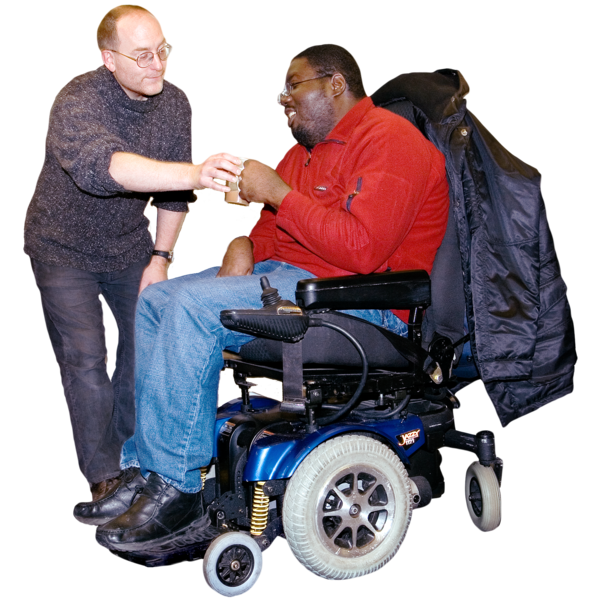 Social care means the services that give care and support to people who need it.
. It applies to children and young people from birth to the age of 25.
Local authorities A local authority is another name for your local council. It is a group of people whose job is to look after the area where you live. Local authorities means more than one local authority. , schools, colleges, health services and other organisations Organisations are groups like companies and businesses. involved Involved is being included in something or taking part in something. in supporting children and young people with SEND must have regard to the Code when carrying out their duties.
For full details please refer to the complete SEND Code of Practice.
The Core Principles
The SEND system, which refers to everyone working together for children with SEND, such as schools and local authorities, is built around a person-centred approach. Children, young people and their families should be involved in decisions about the support they receive. All decisions made about the education of a child SEND should be guided by:
- The views, wishes and feelings of the child or young person
- The participation of parents and young people in decision-making
- Support for participation and informed choices
- The best possible educational and other outcomes, including preparation for adulthood.
What is defined as a Special Educational Need (SEND) in the SEND Code of Practice?
The SEND Code of Practice identifies four areas of SEND. These areas are used to help practitioners, families and services understand a child or young person's needs and plan appropriate support.
These four areas are:
- Communication and Interaction
- Cognition and Learning
- Social, Emotional and Mental Health
- Sensory and/or Physical Needs.
Every child or young person is unique, and many will have needs that span more than one area. This can be particularly true for children and young people with a learning disability A learning disability is to do with the way someone's brain works. It makes it harder for someone to learn, understand or do things. . The categories should be used as a guide only to describe areas of needs but are not ‘fixed labels’, as needs can change between ages, stages and changes of need.
Early identification of need and early support
The code recognises that identifying a child’s SEND needs early, and supporting early is best. You may hear this be referred to as ‘early intervention’. The send code of practice places expectation on the SEND system to:
- Monitor children's progress and development
- Identify barriers to learning and participation
- Provide early support when concerns arise
- Review the effectiveness of support regularly.
SEN Support and the Graduated Approach
If a child or young person is identified as having a SEND need, they may be supported through something called SEN support. SEN support depends on the types of support that is needed for a child, some children may need short term support, some children may need longer term support.
You may have heard your child or young person’s education provision talk about the ‘assess, plan, do, review’ cycle or the ‘graduated approach’. This simply refers to how a education provision must decide what support is needed, whether the support given is working, and whether that support needs to change, is completed, or is ongoing.
Education Health and Care Plans (EHCP’s)
Sometimes a child or young person’s needs cannot be met through SEND Support. In these circumstances, a
local authority
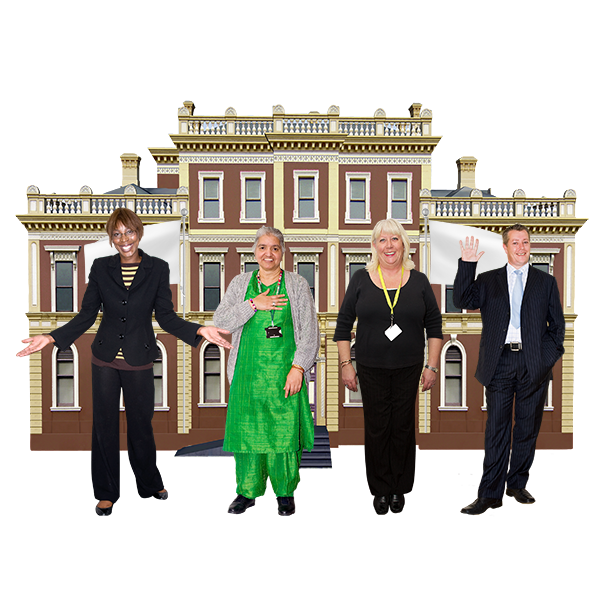 A local authority is also called a council. They are a group of people who make decisions about some of the things in the area where you live like schools, social care (support for people), parks and dustbin collection.
may carry out an Education, Health and Care needs
assessment
 An assessment is a way of finding out what help a person needs. When you have an assessment, you might have to go to a meeting or fill in a form.
(EHC needs assessment). Where appropriate, this may lead to an EHCP.
An EHCP is a legal document that:
- Identifies a child's needs
- Describes the outcomes being sought
- Specifies the support required
- Brings together education, health and social care provision.
EHC Plans are intended to provide a coordinated approach to meeting more complex needs.
Sometimes a needs assessment may find there is not enough evidence. For that reason, the education provision will often do the ‘assess, plan, do, review’ cycle 3 times. This is to ensure a child or young person is being accurately assessed, seeing what works and what may not, and also creates evidence that may show a child need’s support that cannot be offered through SEN Support alone.
Evidence is an essential part of the application process, and can come from a variety of places, for instance your child or young person’s speech and language reports. For more information on EHCP’s visit our website.
There are statutory timescales for an EHCP to be completed to avoid unnecessary delay to a child or young person receiving the needed support. The process from requesting a needs assessment to issuing an EHCP should be 20 weeks.
Resolving disagreements and complaints
The Code encourages concerns to be addressed as early as possible through discussion and collaborative problem-solving.
Where disagreements cannot be resolved informally, parents and young people have access to:
- Independent disagreement resolution services.
- Mediation.
- Appeals to the First-tier Tribunal (Special Educational Needs and Disability).
Preparing for adulthood
Preparing for adulthood is an important aspect of SEND planning and should be considered from an early stage.
As young people move towards adulthood, planning should focus on helping them develop the skills and support they need for future life.
Areas commonly considered include:
-
Employment
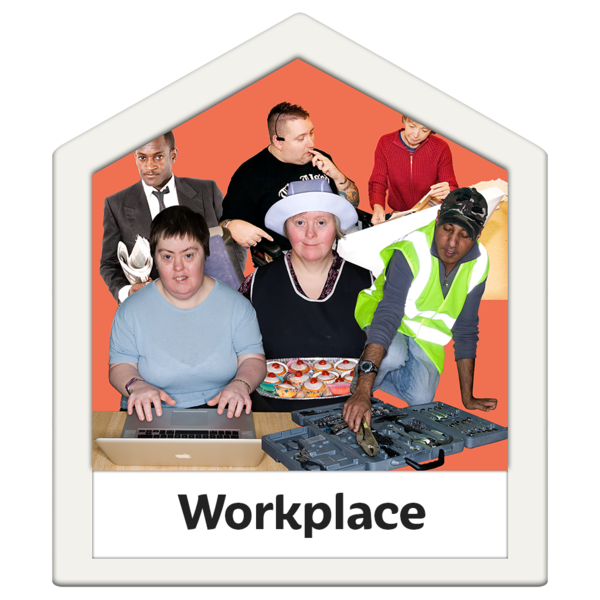 Employment means having a job.
and further education.
- Independent living.
- Community A community is the people and places in an area. participation.
- Health and wellbeing.
Particular attention should be given to these areas from Year 9 (approximately when a child is 14 years old) onwards.
Joined up working between services
The Code recognises that children and young people with SEND often require support from more than one service.
Education, health and social care organisations are expected to work together to:
- Assess needs.
- Plan support.
- Share information appropriately.
- Improve outcomes for children and young people.
This collaborative approach aims to create a more coordinated and effective system of support.
The SEND Code of Practice promotes a coordinated, person-centred approach to supporting children and young people with special educational needs and disabilities.
Its key messages are:
- Children, young people and families should be at the centre of decision-making.
- Needs should be identified and supported as early as possible.
- Support should follow a graduated Assess–Plan–Do–Review approach.
- Education, health and social care services should work together effectively.
- Planning should focus on achieving meaningful outcomes.
- Preparation for adulthood should begin early.
- Families should understand their rights Rights are the things everyone should be allowed to do like have a say, or go to school. and be involved throughout the process.
For more detailed information please see the complete SEND Code of Practice on the Government website.

The creation of this resource was funded by The National Lottery Community Fund.
This resource was first published in July 2026.
Last updated 16/07/2026