
Information on how to request an increase to your Direct Payments

The advice contained within this resource applies to people receiving a direct payment and people authorised to manage the
direct payments
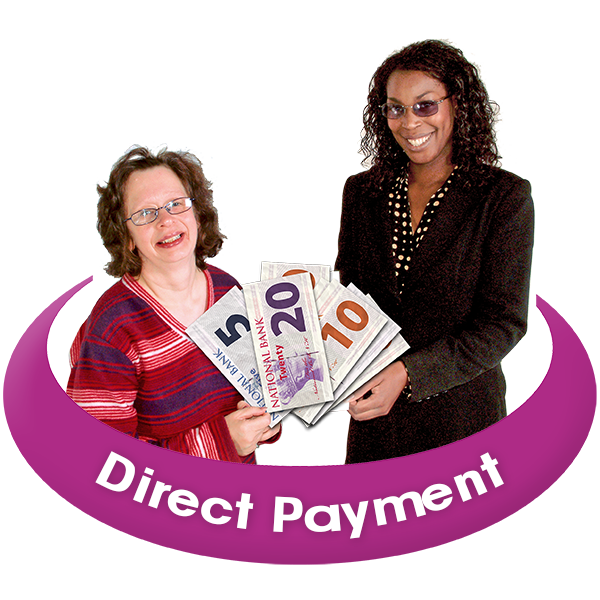 Direct payments are when the money for your care and support, or benefits, is paid to you.
of an individual who lacks the capacity to manage the direct payments for themselves.
What is a direct payment?
Your direct payment is a sum of money which is given to you so that you can buy services to meet your
social care
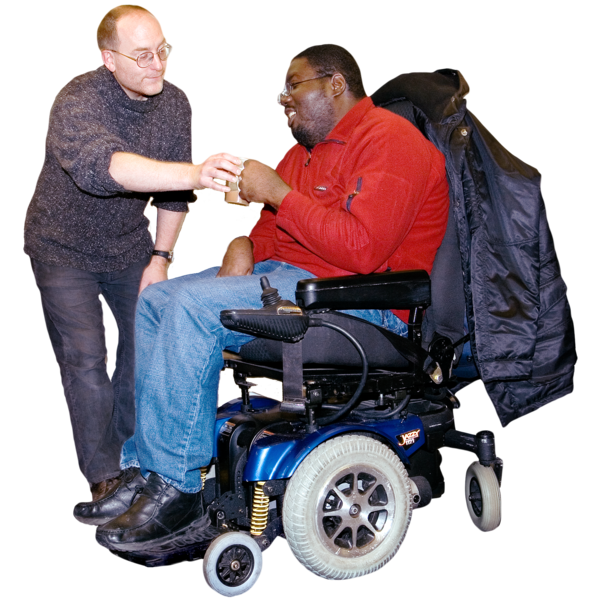 Social care means the services that give care and support to people who need it.
needs. When you receive a direct payment instead of a
service
A service gives people what they need, like healthcare services that help people when they are ill, and support services that give people support.
direct from your
local authority
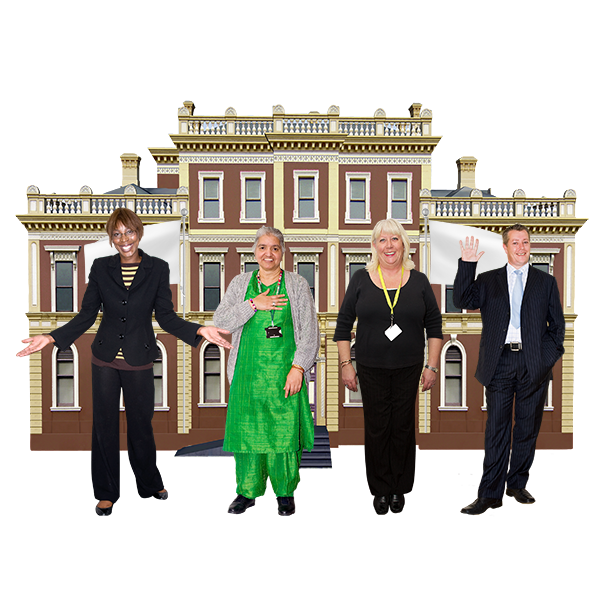 A local authority is also called a council. They are a group of people who make decisions about some of the things in the area where you live like schools, social care (support for people), parks and dustbin collection.
, you have choice and control over who you choose to provide your social care.
How were your direct payments calculated?
Before you started to receive your direct payments, your
local authority
A local authority is another name for your local council. It is a group of people whose job is to look after the area where you live.
assessed your needs and decided that they are under a duty to meet some or all of your social care needs. Your local authority then prepared a care plan and a personal
budget
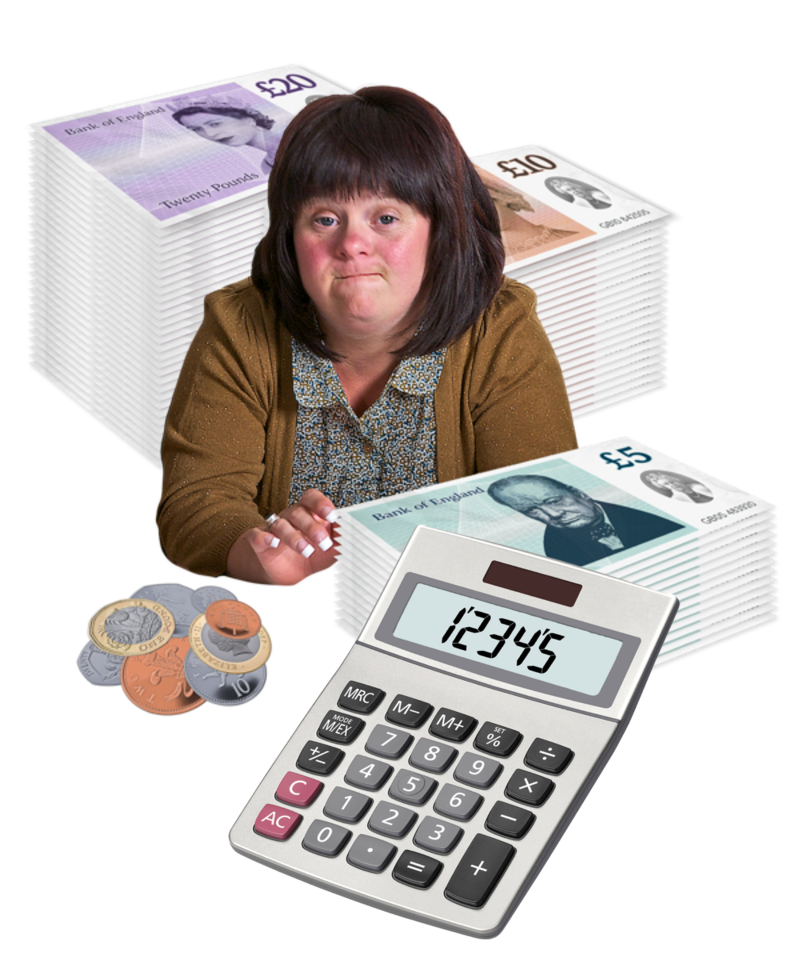 A budget is a plan where you look at how much money you have and how you will spend it.
for you. The personal budget tells you how much it will cost to meet your needs. You then chose to receive your personal budget as a direct payment. The sum of money you receive as a direct payment stems from the personal budget calculation and must be sufficient to meet the needs that your local authority has assessed you as having.
Local authorities A local authority is another name for your local council. It is a group of people whose job is to look after the area where you live. Local authorities means more than one local authority. use different ways to calculate a personal budget. Most local authorities A local authority is another name for your local council. It is a group of people whose job is to look after the area where you live. Local authorities means more than one local authority. use a set rate to calculate the cost of the different parts of your care package - for example, some local authorities will set a rate of £14 per hour for a personal assistant.
Local authorities are allowed to start by calculating the cost of your care using a set rate, but the
law
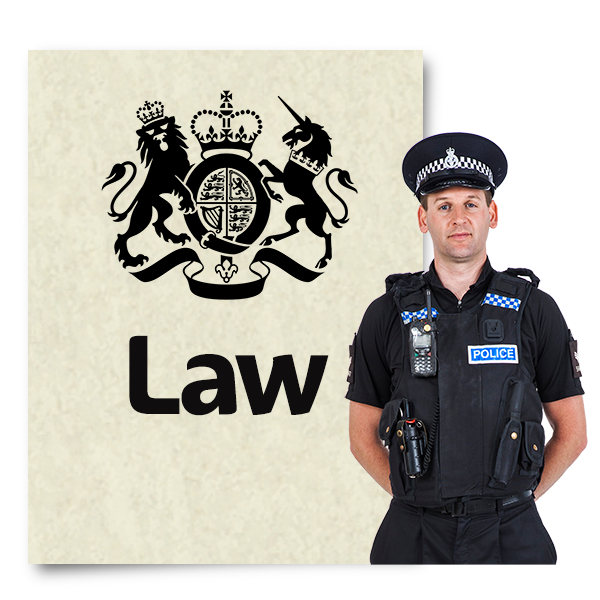 Laws are the rules that everyone in the country has to follow. If you don't follow the rules you can get in trouble with the police.
says that if the personal budget calculated using the set rate is not enough to meet the real cost of care then the personal budget amount must be changed.
Example:
Billy needs 10 hours of support from a personal assistant. The local authority calculate the amount in the personal budget using a set personal assistant rate of £14 per hour: The local authority calculates 10 hours x £14 per hours = a personal budget of £140
The real cost of a personal assistant in Billy’s local area is £15 per hour because the local providers have increased their prices. The local authority must change the calculation of Billy’s personal budget and increase the amount of money that Billy receives as a direct payment. The local authority must increase the payments as follows: 10 hours x £15 per hour = a personal budget of £150
Am I entitled to an increase in my direct payments?
The amount of money you receive as a direct payment should always be enough for you to purchase the service you have been assessed as needing. If the cost of buying a service increases and you are no longer able to afford the service, then you have a right to an increase in your direct payment, so long as you can show that you cannot purchase a cheaper service elsewhere.
How can I prove that the cost of my service has increased and that no-one else could meet my needs?
Local authorities must encourage a variety of different providers and different types of services so that people have a genuine choice over the type of service thatthey receive.
Your local authority might tell you that there are other providers in your local area and that you need to shop around to see whether you can still buy your care from another provider for a lower cost. This is important to understand because if the amount of money you receive is to be sufficient to purchase the service you require and the cost of this service is rising amongst all social care providers then your direct payment should increase too.
It is also important to stress that the decision to increase a direct payment should be based on outcomes and value for money, rather than being purely financially motivated.
How do I secure an increase?
You should request a financial review of your direct payment. If you are satisfied that your needs have been appropriately assessed and that the package of support in place for you is meeting your needs, then you do not need a new
assessment
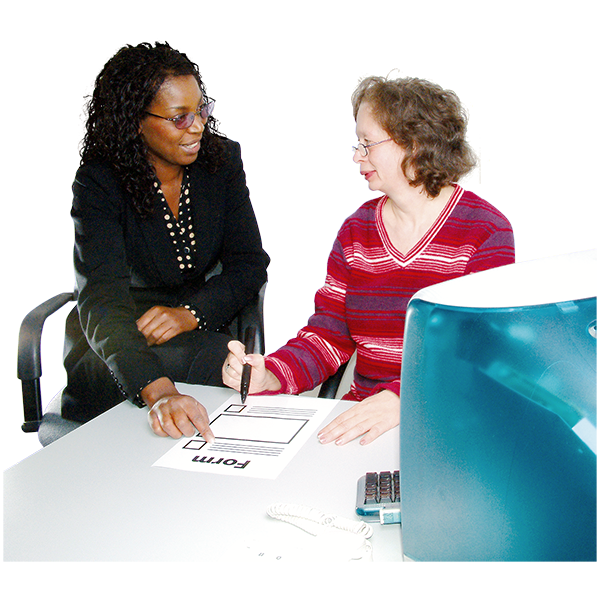 An assessment is a way of finding out what help a person needs. When you have an assessment, you might have to go to a meeting or fill in a form.
of your care and support needs.
You also do not need a full review of your direct payment which would look at the suitability of the direct payment and whether they should continue. You simply need the local authority to review the amount of money being paid to you.
What if my Local authority won’t agree to an increase?
If your Local authority does not agree to an increase or do not respond to your request for one, you should get back in touch with us straight away or seek alternative independent legal advice.
It is important that you act as quickly as you can and seek assurances from your Local authority that an increase in payment will be made in the interim, until all issues are resolved.
For more information about this resource, please contact the Learning Disability A learning disability is to do with the way someone's brain works. It makes it harder for someone to learn, understand or do things. Helpline.
Phone: 0808 808 1111
Email: [email protected]
This resource was first published: 07/09/2023
Last amended: 07/09/2023