Additional guidance for families: Explaining what a Trust is to a person with a learning disability
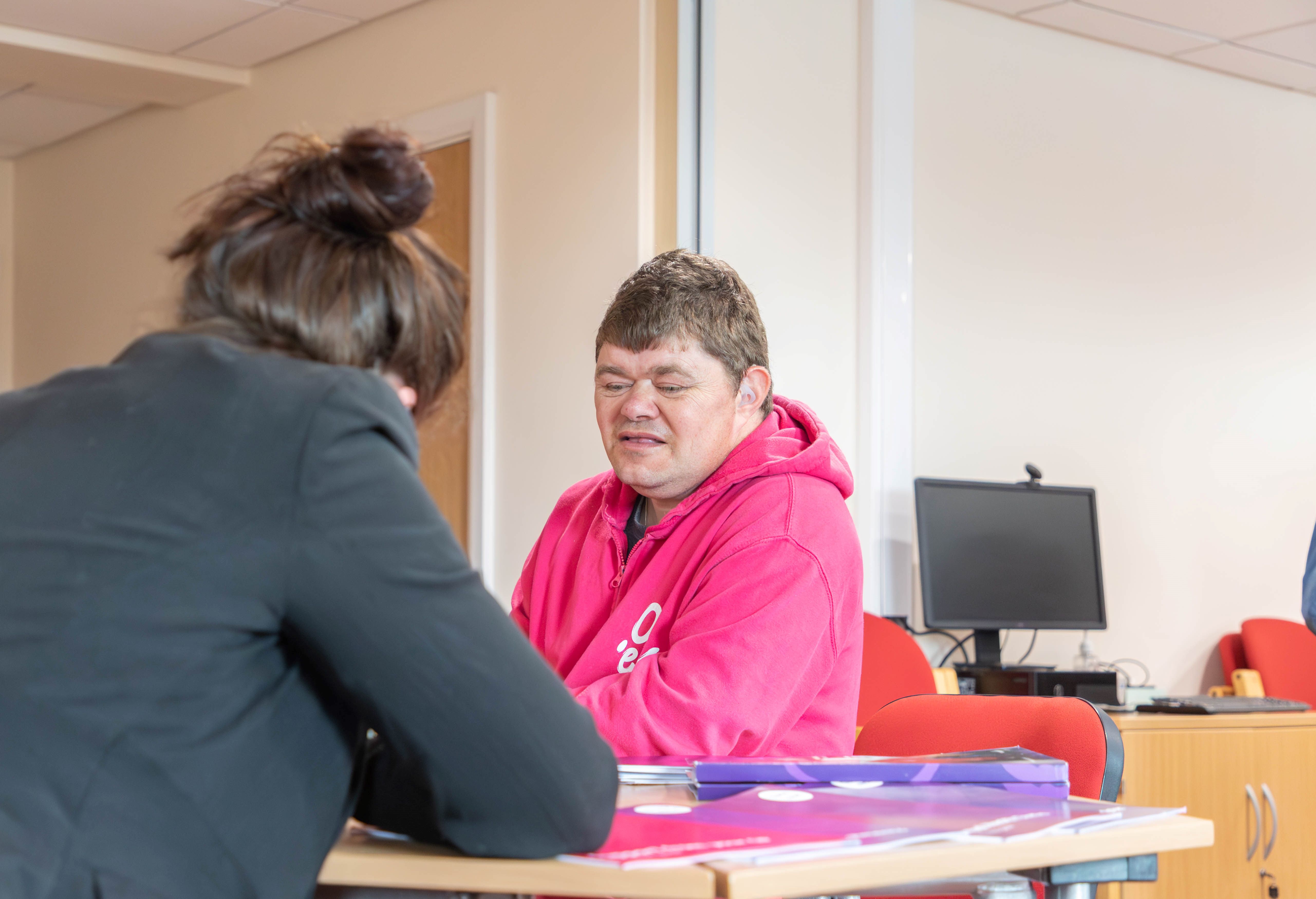
Additional guidance for families: Explaining what a Trust is to a person with a learning disability
This page is intended as a basic guide to assist family, friends and carers of a person/people with a learning disability A learning disability is to do with the way someone's brain works. It makes it harder for someone to learn, understand or do things. if they wish to learn about Trusts.
Talking about Trusts with your loved one with a learning disability
Our Guide to Trusts Easy Read Easy Read is a way of making written information easier to understand. Pictures are usually added next to the writing. is intended to introduce your loved one with a learning disability to Trusts, what they are and how they work.
It is entirely up to you how much detail you wish to go into when discussing Trusts with the person you support. The setting up of a Trust A Trust looks after money for a person or a group of people. can be quite complex and involve a lot of legal jargon, and how much you wish to tell your loved one about their Trust, is entirely personal to you and your situation.
Reasons for setting up a Trust
Some common reasons for setting up a Trust are:
- To protect Protect means keeping someone or something safe. your loved one’s money and benefits.
- To avoid
financial
Financial means anything that is to do with money. It is used to describe how people, businesses, or governments get money and how they use it
abuse
Abuse is when someone bullies you and does or says something to you that makes you feel hurt, upset or scared.
, pressure or emotional distress, if your loved one does not have sufficient
mental capacity
 Mental capacity means being able to make a decision when it needs to be made.
to manage
finances
 Finances are anything to do with money.
.
- To plan for the future, especially after parents or carers are no longer around.
Where to find help and advice about setting up a Trust
For further information about Trusts, especially specific to individual needs and requirements, you should consult a legal professional specialising in this area of
law
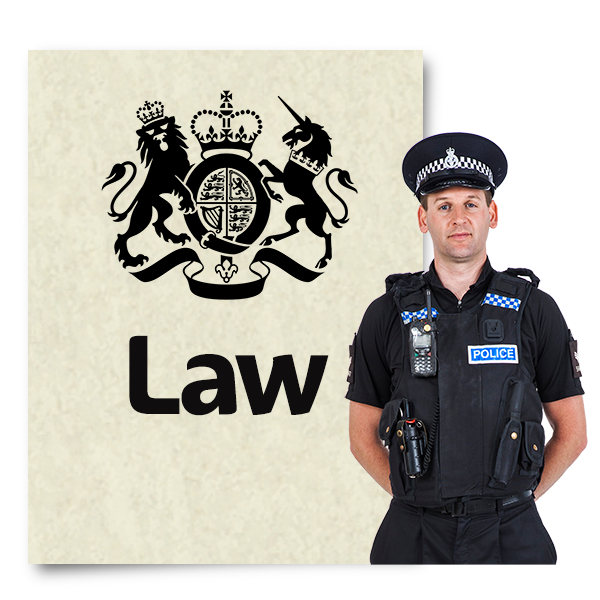 Laws are the rules that everyone in the country has to follow. If you don't follow the rules you can get in trouble with the police.
.
It is advisable to speak to someone who is STEP-qualified (Society of Trust and Estate Practitioners) as they will have specialist expertise in this area of law and have at least 5 years’ experience Experience is when you have learned or tried something before. of Wills and probate.
To find a suitable legal professional you can use the following:
The Law Society has a ‘Find a solicitor’ helpline:
- Telephone: 0207 320 5650
-
Website
 A website is a page you can go to on the internet like Google or YouTube.
: www.solicitors.lawsociety.org.uk.
The Society of Trust and Estate Practitioners:
- Telephone: 0203 752 3700
- Website: www.step.org.
This resource was first published in August 2025.
Last updated: 02/09/2025.