
Dear Chancellor, Secretary of State,
We are writing to share our concerns with the proposals in the Pathways to Work Green Paper and wider reforms to social security, many of which are being rushed through Parliament Parliament is a group of people who make laws and check what the government is doing. without meaningful engagement with disabled people.
These proposed changes must be seen in the context of decades of public policy failure on social security, which means successive governments have been unable, or unwilling, to break the cruel and unfair link between disability and poverty.
As you know, disabled people face very high levels of poverty. Scope calculates that, on average, disabled households need an additional £1,010 a month to have the same standard of living as non-disabled households. This is after accounting for benefits like PIP. Furthermore, almost half of households in poverty include a disabled person.
Disabled people are twice as likely as non-disabled people to experience Experience is when you have learned or tried something before. low food security. Research Research is a way of finding out information which could come from books, or asking people what they think. from Sense shows that over 50% of people with complex disabilities in receipt of benefits struggle to afford an essential bill.
The link between disability and poverty is a scourge on our society that the Government The Government are the people who run the country. They decide how much tax people should pay for things and how things like the National Health Service should work. should be determined to eradicate. Instead we are deeply concerned that the current proposals will increase levels of poverty amongst disabled households.
We agree that the welfare system needs reform. But reform must be predicated on lifting all disabled people out of poverty whilst providing people with equal life chances.
We are therefore deeply troubled that the Government is bringing forward proposals that would send up to an additional 400,000 disabled people into poverty.
We believe there is still time for the Government to reconsider. To reframe the question and ask itself what it can do to lift disabled people out of poverty.
The fight against disability poverty will require a whole-government approach looking at
social care
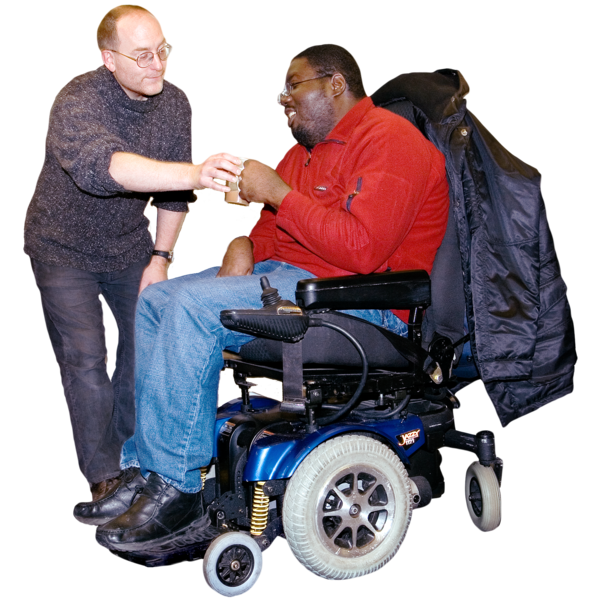 Social care means the services that give care and support to people who need it.
,
NHS
The NHS is the National Health Service. The NHS gives free healthcare to everyone in the UK and includes things like your GP (doctors) surgery and hospitals.
provision,
education
Education is when you learn things. When you fill in a form to get a job, education means you write where you went to school, college or university.
, employment, transport, and essentials. This isn’t just about benefits; disabled people need a robust cross-government plan.
The current proposals do not offer the necessary whole-system solution. There has been no analysis of the impact of these
cuts
 Cuts are when there is less money to pay for things like clubs and support.
on the demand to the NHS, social care, levels of homelessness, or the disability employment gap.
The Office for
Budget
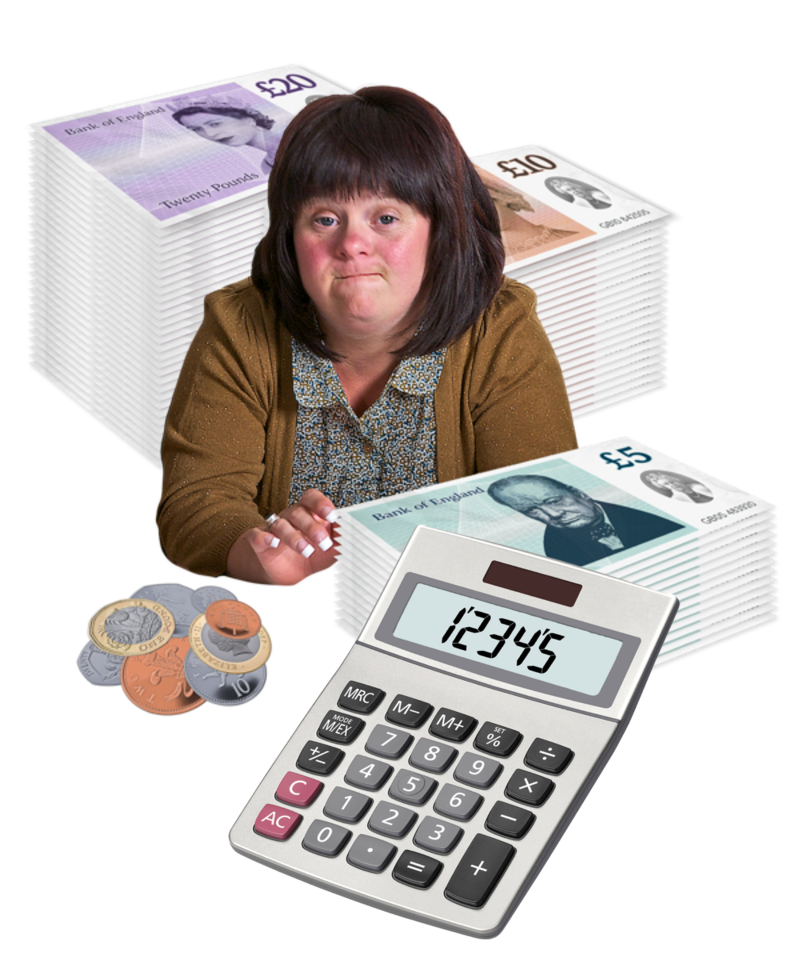 A budget is a plan where you look at how much money you have and how you will spend it.
Responsibility
Responsibility is managing or being in charge of something.
will not even publish its
assessment
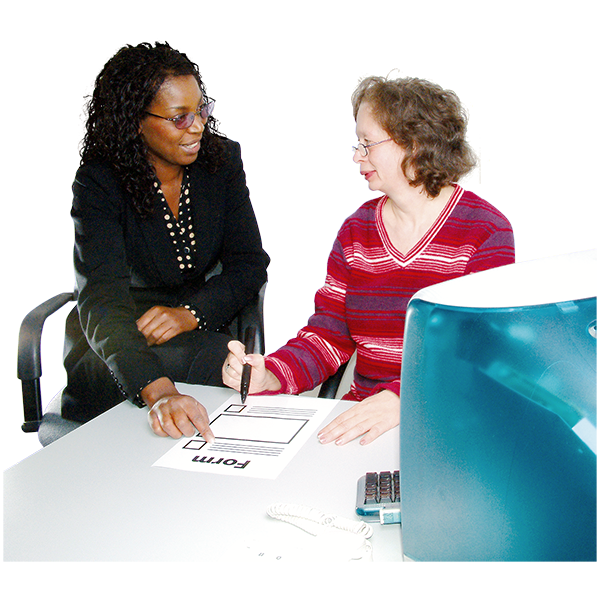 An assessment is a way of finding out what help a person needs. When you have an assessment, you might have to go to a meeting or fill in a form.
of how the proposals will impact disability employment rates, until after the cuts are to be voted on. And additional investment in employment support is not expected until 2029/30, years after these proposals push many disabled people into poverty. Tackling disability poverty and the disability employment gap will take decisive action, upfront investment in employment programmes, and cross-government solutions now.
In the short-term we are asking you to pause the current process: subject all the measure within the Pathways to Work Green Paper – including the changes to PIP - to a full public
consultation
 Consultation is finding out what people think about something.
. This would allow for the Government to make an honest assessment of the fiscal impact once all knock-on costs have been considered and the impact of change in disability employment rates are known. It would also allow disabled people to be
involved
Involved is being included in something or taking part in something.
in the public policy decisions which will determine their life chances.
The DCC would welcome the opportunity to work with the Government to move forward with a cross-governmental strategy to lift disabled people out of poverty and increase access and take-up of employment programmes focused on disabled people. But we cannot condone a plan that risks condemning more disabled people to a life of poverty.
Mark Hodgkinson, Chief Executive Scope and Co-chair Disability Charities Consortium
Diane Lightfoot, Chief Executive Business Disability Forum and Co-chair Disability Charities Consortium
Ruth Owen, Chief Executive Leonard Cheshire
Sarah Hughes, Chief Executive Mind
Caroline Stevens, Chief Executive National Autistic Society
Matt Stringer, Chief Executive Royal National Institute of Blind People
Harriet Oppenheimer, Chief Executive Royal National Institute for Deaf People
James Watson O'Neill, Chief Executive Sense
CC.Rt Hon Stephen Timms MP, Minister of State for Social Security and Disability, Department for Work and Pensions