
Jon Sparkes, OBE, Chief Executive of learning disability A learning disability is to do with the way someone's brain works. It makes it harder for someone to learn, understand or do things. charity Mencap said:
“Jordan Tooke was failed repeatedly in his medical care throughout his life.
Jordan’s family battled tirelessly to ensure their 30-year-old son could access treatment, after initially being denied necessary treatment for kidney failure because of his learning disability.
After the incident that led to Jordan’s death, the inquest heard concerns raised that delays in treatment may have contributed to Jordan’s death and that his quality of life was questioned when making decisions about whether to admit him to intensive care. No family should ever have to ask if the NHS The NHS is the National Health Service. The NHS gives free healthcare to everyone in the UK and includes things like your GP (doctors) surgery and hospitals. is doing everything that they can to save their son.
People with a learning disability are already dying on average up to 23 years younger than the general population, with 42% of these deaths being avoidable. Mencap will continue to campaign A campaign is when people work together to try to change something. for a healthcare system that can meet the needs of people with a learning disability, and to support and advise families on access to care.
All healthcare professionals should receive training to ensure unbiased decision making and ensure all NHS providers are making reasonable adjustments so people with a learning disability can access adequate care.”
-ENDS-
For further information or to arrange an
interview
 An interview is a meeting where you talk to someone or a group of people about something. When you have an interview for a job, you have to answer questions and say why you would be good at the job. The person who gives the best answers is offered the job.
with a Mencap
spokesperson
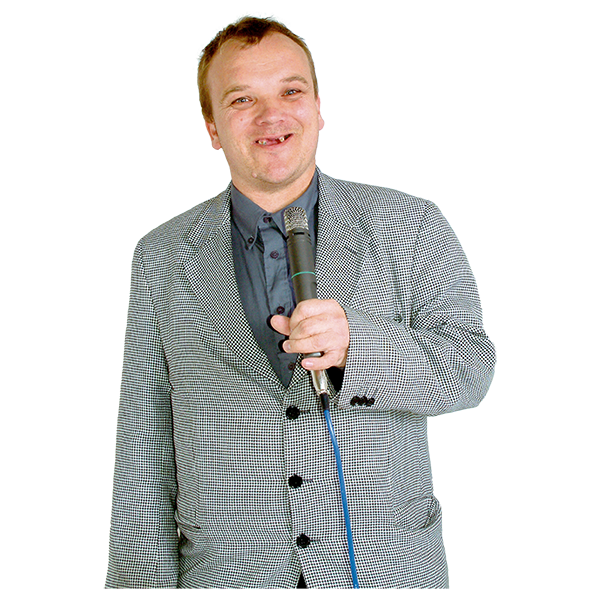 A spokesperson is someone who speaks up about something. They usually speak up on behalf of a group or organisation.
or
case study
 A case study is a piece of writing that tells people more information about someone's experience.
, please contact Mencap’s media team on: [email protected] or 02076965414 (including out of hours).
Notes to editors:
About Mencap:
Mencap exists to ensure the UK is the best place in the world for people with a learning disability to live happy and healthy lives. We support people directly and campaign with people with a learning disability, their families and carers. We work to change laws, increase representation and campaign for better health,
social care
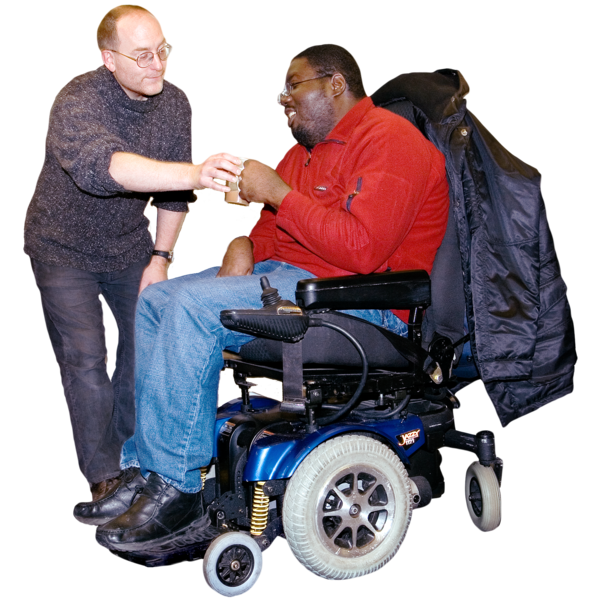 Social care means the services that give care and support to people who need it.
and
employment
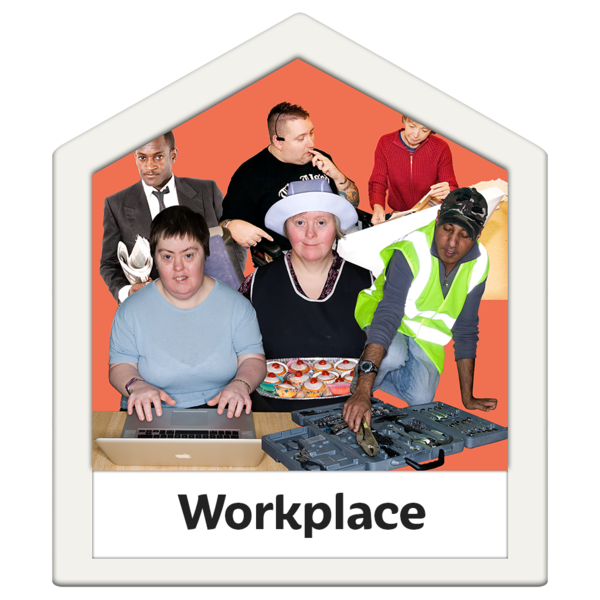 Employment means having a job.
opportunities for the 1.5 million people with a learning disability in the UK.
What is a learning disability?
A learning disability is a reduced intellectual ability which affects someone for their whole life. Typically, people with a learning disability need more time to learn and process information. They may need extra support to develop skills, complete tasks and interact with others, or they may have more complex needs requiring round-the clock care. The level of support needed is different for everyone and may change during a person’s lifetime.
Learning disability is NOT a mental illness or a learning difficulty. Often, the term ‘learning difficulty’ is wrongly used in place of ‘learning disability’. Having a learning difficulty (such as ADHD or
dyslexia
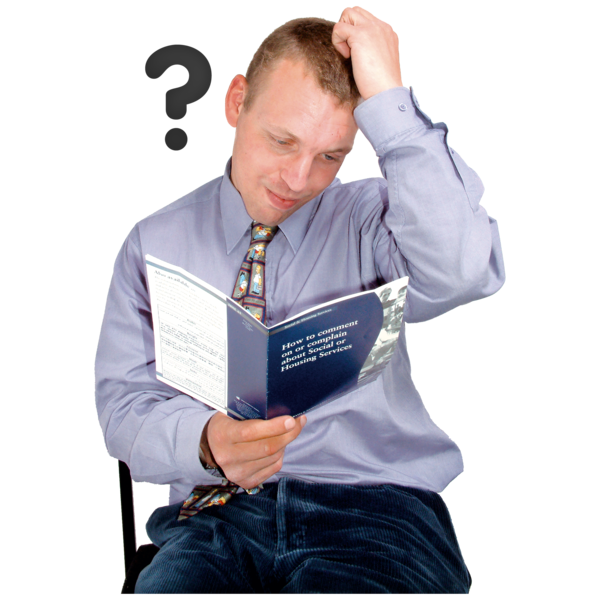 Dyslexia is a learning difficulty. People who have dyslexia can find it hard to read, write and spell.
) may mean a person learns at a different pace or in a different way BUT – unlike a learning disability - it does not affect a person’s intellect.
With the right support, most people with a learning disability can lead happy, healthy, independent lives. At Mencap, it’s our mission to remove societal barriers and shatter misconceptions to make this more possible for more people.
Mencap’s guide to reporting on Learning Disability
When it comes to creating content with people with a learning disability, we know many people feel nervous about saying and doing the wrong thing. Our guide for journalists, covers everything from up to date facts and figures to the right language to use. It also includes tips on how to work with people with a learning disability to gather the best content.