
What is the Milburn Review? Easy Read
What is the Milburn Review? Easy Read
The Milburn Review is an independent review.
It looked at why some young people are not in education, training or work. The review was led by Alan Milburn and is known as the Milburn Review.
You can read an
Easy Read
Easy Read is a way of making written information easier to understand. Pictures are usually added next to the writing.
of the report from the review on
the government
The Government are the people who run the country. They decide how much tax people should pay for things and how things like the National Health Service should work.
website
 A website is a page you can go to on the internet like Google or YouTube.
at https://assets.publishing.service.gov.uk/media/6afb1f56740e16c0699ca91f/from-a-welfare-state-to-a-working-state-easy-read.pdf or in our summary below.
The Government asked Alan Milburn to find out why more young people are not getting the support and opportunities they need to get into work.
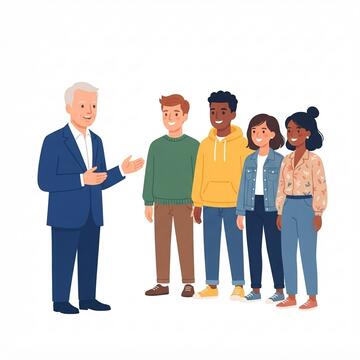
The review has spoken to young people.
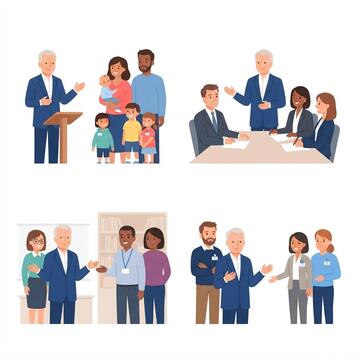
It has also spoken to
- families
- employers
- schools and colleges
- and to charities.
The review looked at what needs to change to give more young people the chance to work.
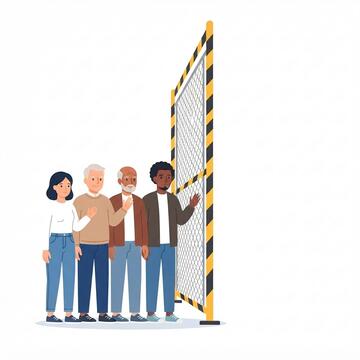
The review says that many young people face barriers in their lives.
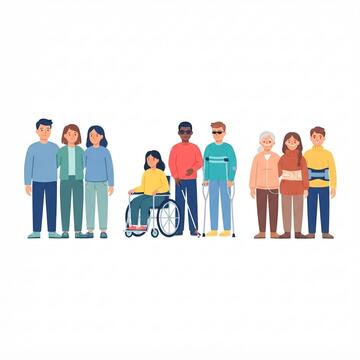
Some young people struggle with their mental health.
Some young people are disabled and some have long-term health conditions.
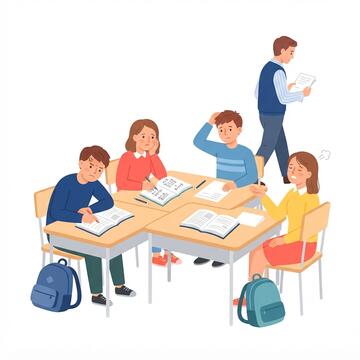
Some young people do not get the support they need at school.
Some young people do not get the support they need at college or support to go to college.
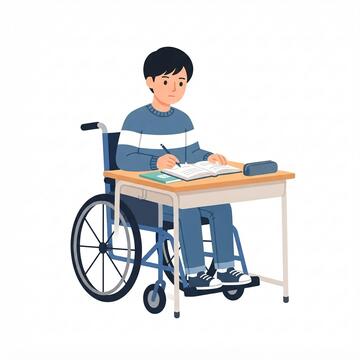
This is especially true for young people with a learning disability A learning disability is to do with the way someone's brain works. It makes it harder for someone to learn, understand or do things. .
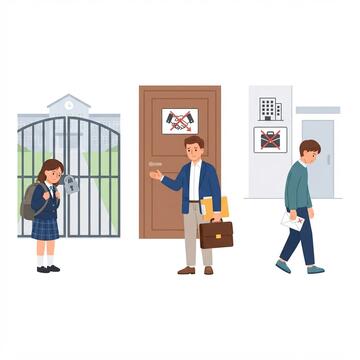
The Milburn Review says these barriers can make life harder.
They can make it harder to:
- move into education
- move into training
- move into
employment
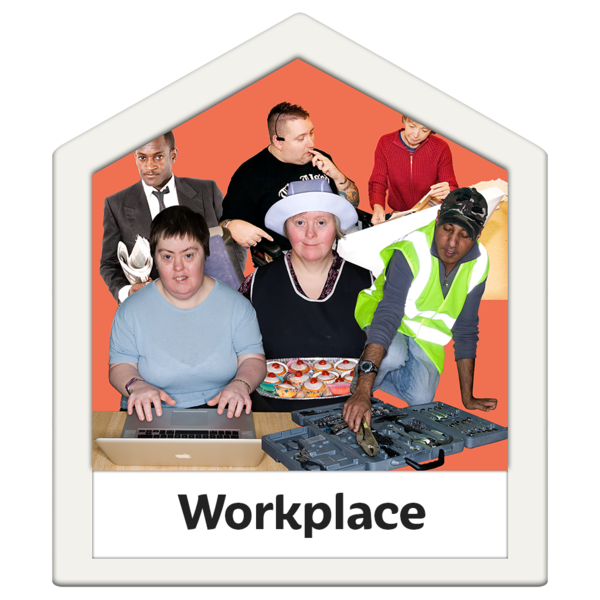 Employment means having a job.
.

The review also says that services do not always work well together.
This can make it difficult for young people to get help when they need it.
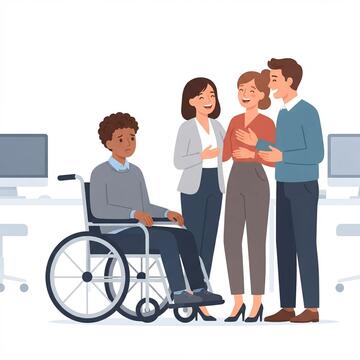
What does this mean for people with a learning disability?
Many young people with a learning disability want to work and learn new skills.
And many young people with a learning disability want to live independent lives.
But they often face extra barriers.
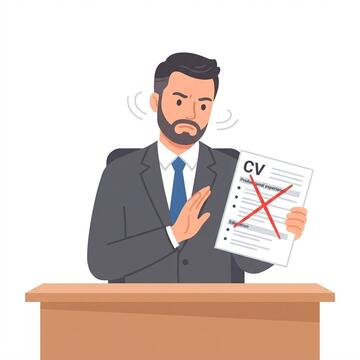
Many employers are not confident about employing people with a learning disability.
Some employers do not make the adjustments people need.
This means too many young people with a learning disability miss out on opportunities.
What the review says needs to change
Work and education
More young people should have jobs and
work experience
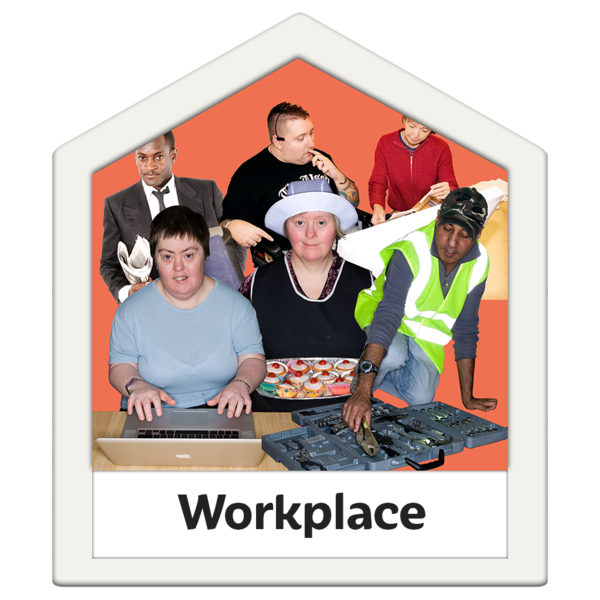 Work experience is when you try out a job to help you learn new skills.
.
Work experience Experience is when you have learned or tried something before. is when a person works for a company for a short amount of time.
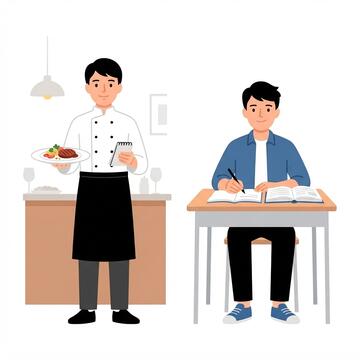
More young people should have apprenticeships
An apprenticeship is special training. You do some learning in a classroom. Then you do some learning while you are working in a job.
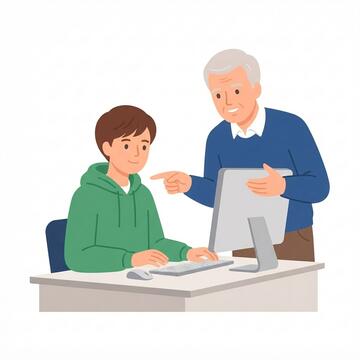
More young people should try pre-apprenticeships.
A pre-apprenticeship is a way to get skills ready for an apprenticeship.
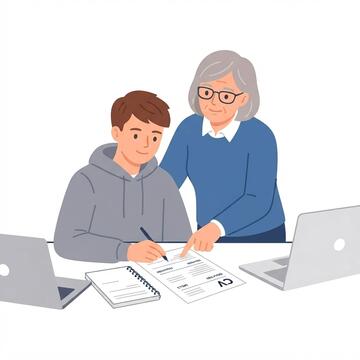
Schools and colleges should help young people to be ready to work.
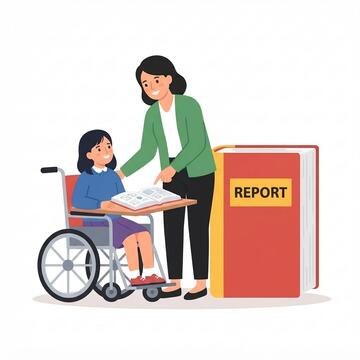
The report says children with special educational needs and disabilities (SEND) should get the right support at the right time.
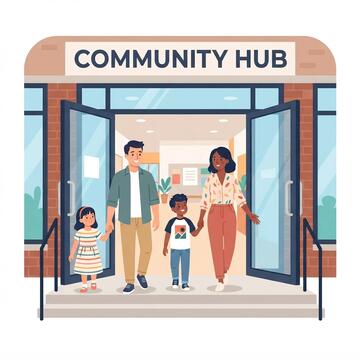
Families and community A community is the people and places in an area. hubs are places families can go to get help on lots of different things.
Milburn says these hubs should get more support from the government.
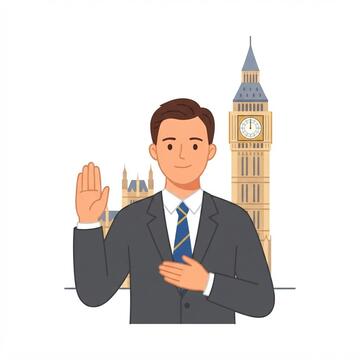
Milburn said that the government should promise that every young person should get into work, education or training.
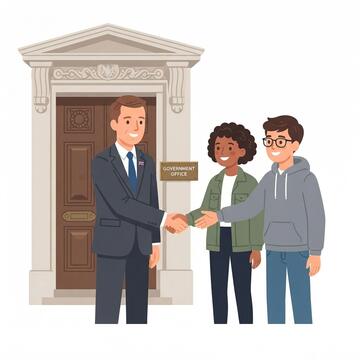
The government has agreed to do this.
They’ve also agreed to get support for young people to do this.
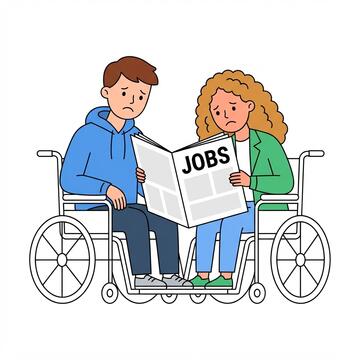
Disability and Health
Some children and young people aren’t working or learning because of their health or disability.
Sometimes they have to wait too long for help.
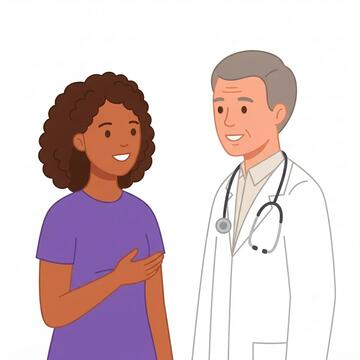
That might be help from doctors and the NHS The NHS is the National Health Service. The NHS gives free healthcare to everyone in the UK and includes things like your GP (doctors) surgery and hospitals. .
It could also be help from schools and colleges.
There should be more help quickly for these young people.
Young people should be able to get help, even if they do not have a diagnosis A diagnosis is when a medical professional like a doctor has said you have a certain illness or condition. .
A diagnosis is when a doctor says what disability or condition you have.
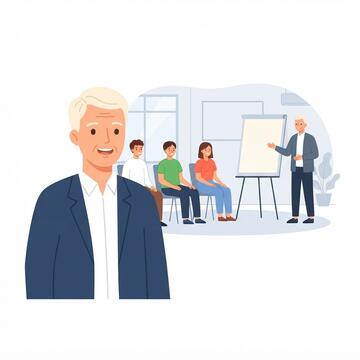
Milburn wants new services called the Youth Opportunity Service.
This would help young people to get help with jobs, education, training or health.
He says any health support from the Youth Opportunity Service should happen in 3 months from asking for help.
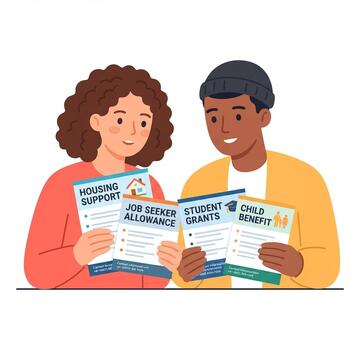
Benefits
Many young people get benefits like Universal Credit and
Personal Independence Payment
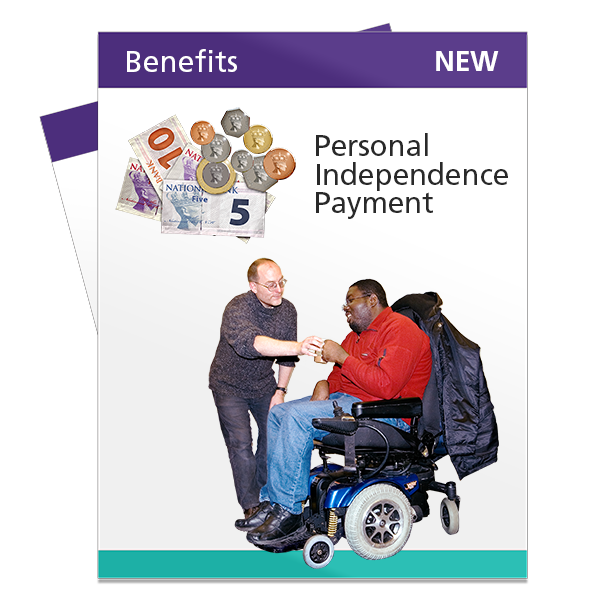 Personal Independence Payment (PIP) is the name of a benefit that some people with a disability or health condition get. The money is to pay for extra help you might need to look after yourself and to get around. Some people who used to get Disability Living Allowance (DLA) now get PIP instead.
(PIP).
Milburn says benefits should not stop people from working.
Benefits give you money to pay for things you need.
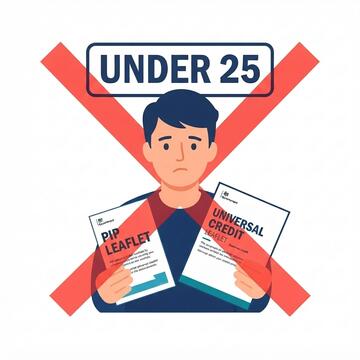
He says people under 25 should not get:
- PIP
- the health part of Universal Credit.

He said instead there would be new benefits.
- Youth Allowance, at the same rate as Universal Credit.
- Health and Disability Fund, to fund specific things to help you to work, train or be in education.
- Additional Cost Allowance, to pay for the extra costs of being disabled.
- Severe and Complex Needs Insurance, only for young people who will never be able to work.
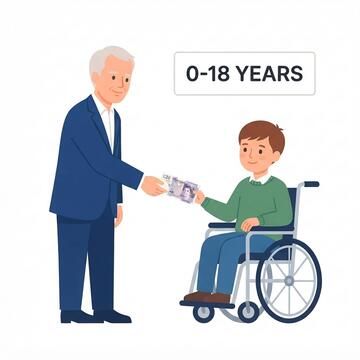
He also said children who get
Disability Living Allowance
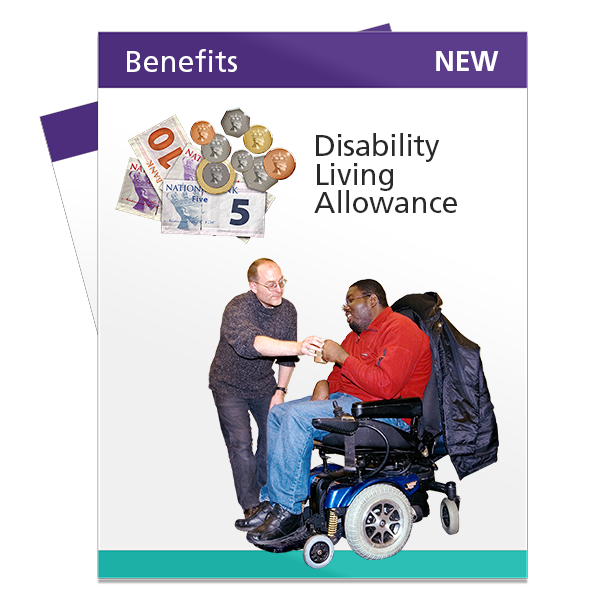 Disability Living Allowance (DLA) is the name of a benefit that some people with a disability get. The money is to pay for extra help you might need to look after yourself and to get around. Disability Living Allowance is being replaced by a benefit called Personal Independence Payment (PIP).
should be able to get this benefit until they are 18.
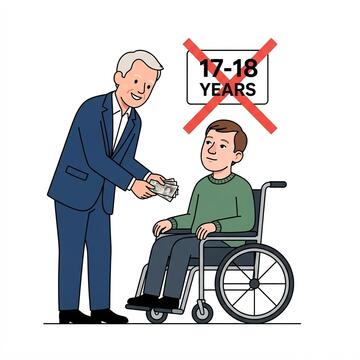
Right now, Disability Living Allowance stops at 16.
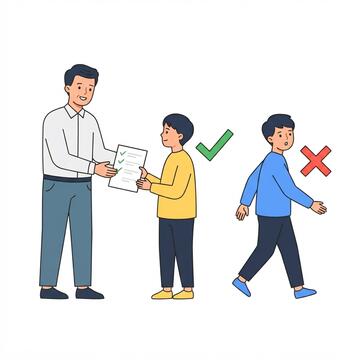
Milburn has said you’ll need to talk to a person to claim benefits.
The person you talk to will give you tasks to help you get into work, education or training.
If you don’t do these tasks, they might stop your benefits
What happens next?
The government will read the review and respond with what they hope to do, before Christmas 2026.
They will then release a document called a
White Paper
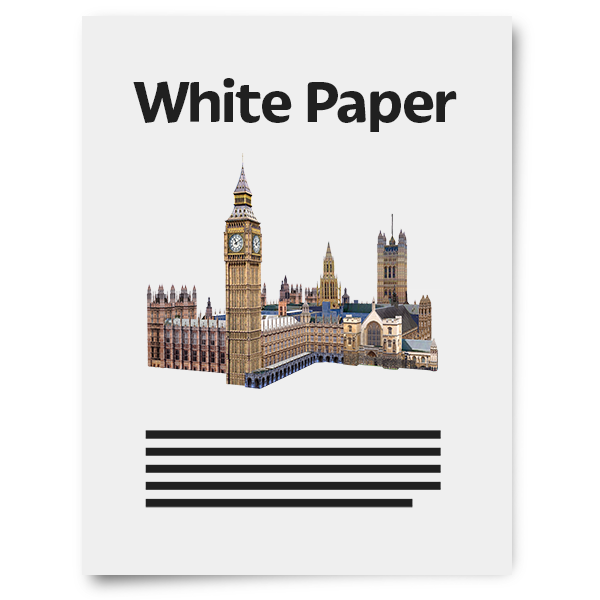 A White Paper is a report that is written by the government. It talks about new rules the government wants to make.
in 2027, which will say what changes the government will plan.
MPs would then need to
vote
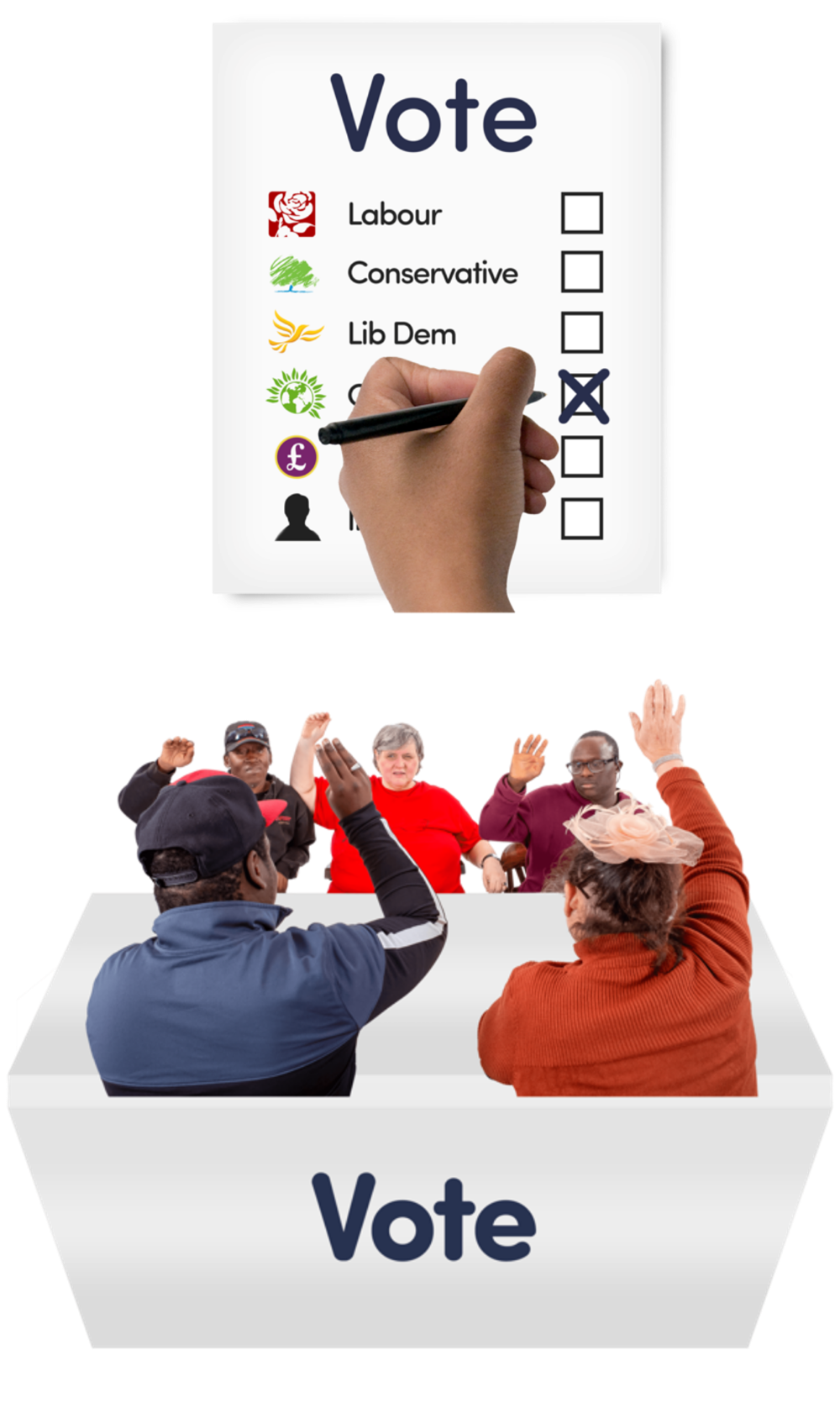 People vote in an election. In elections for councillors or MPs, you vote by putting a cross next to the name of the person you want to choose. In less formal elections, like in a small group, you might vote by putting your hand up. The person with the most votes wins.
to pass a
law
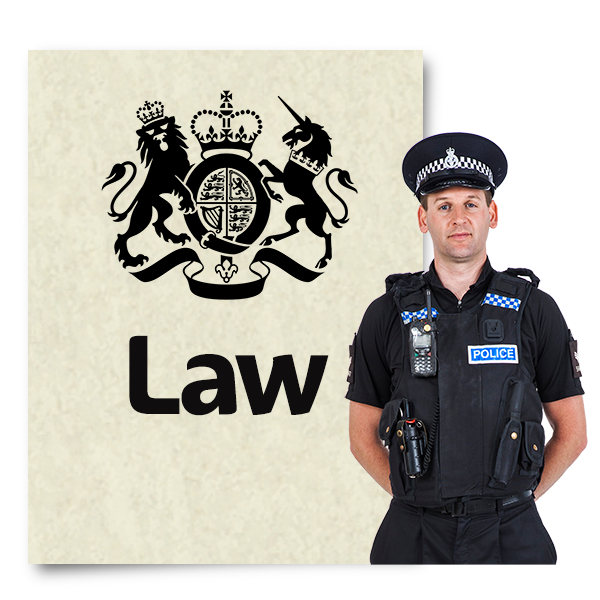 Laws are the rules that everyone in the country has to follow. If you don't follow the rules you can get in trouble with the police.
to make those changes.
They’ve already said they will do two things
- Promise in law young people work, employment or training until 25
- Set up services around the country to support young people into work, education or training.
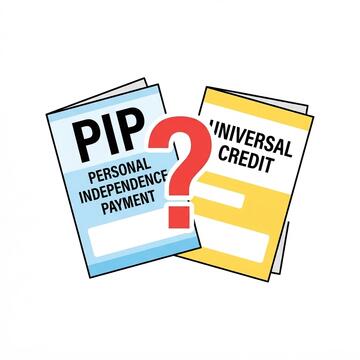
They have not said if they will make the changes to benefits yet.
We don’t know if the government wants to make these changes.
Any changes will take a lot of years.
They will not happen right now.
Mencap will keep trying to make sure that the changes will help people with a learning disability.

This Easy Read was first published in November 2026
Last updated 20/11/2026