
What is LeDeR?
What is LeDeR?
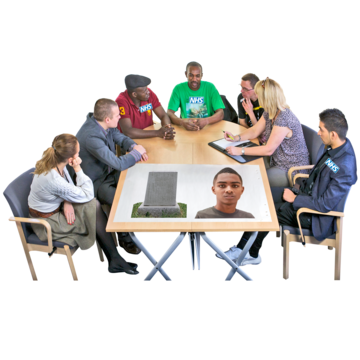
LeDeR is short for Learning from Lives and Deaths of people with a learning disability and autistic people.
It is a group that finds out how people with a learning disability or people with autism have died.
LeDeR is run by NHS The NHS is the National Health Service. The NHS gives free healthcare to everyone in the UK and includes things like your GP (doctors) surgery and hospitals. England and Kings College University.

LeDeR wants to:
- Make
social care
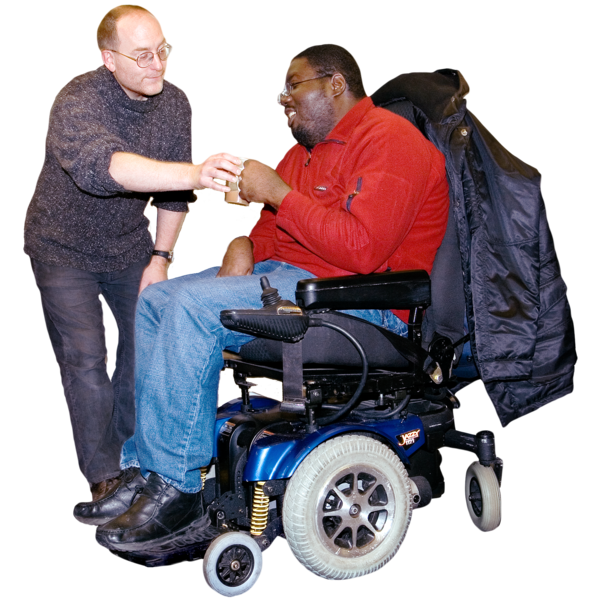 Social care means the services that give care and support to people who need it.
and health care better for people with a learning disability or autism
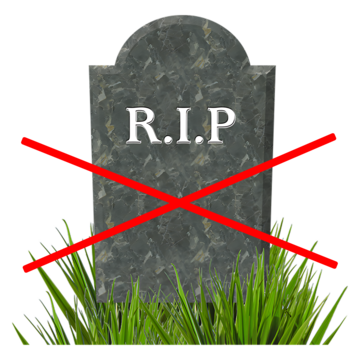
- Stop people from dying too soon.

If someone over 18 with a learning disability or autism in England dies, it can be reported to LeDeR.
Anyone can fill in a report to LeDeR online.

Someone from LeDeR will then find out about that person’s life and the care they got before they died.
This person is called a reviewer. They will ask questions about the person who died.
They look into how the person died and whether they got the care and support they needed.

The reviewer can talk to:
- Family or friends of the person who died

- The doctor of the person who died

- The carer of the person who died

The reviewer can also look at things like doctor’s notes and some medical records about the person who died.

The reviewer will look for good things that happened in that person’s care.
If something was really good about the care they got, the LeDeR team could use what they find out to make sure it happens for everyone.

They will also look for bad things that happened.
If something went wrong, the LeDeR team should make sure that the local health and social care services learn lessons and make sure it does not happen again.
The reviewer will share what they find about the person who died in a report.
The reviewer sends the report to the research Research is a way of finding out information which could come from books, or asking people what they think. team that looks at the reports from the whole of England. They are the team at Kings College.
Sometimes LeDeR will decide to look more closely at a person’s death.
This is called a focused review and goes into more detail about what happened to them.
Every person who died who was from a black, Asian or another ethnic minority background will have a focused review.
What is the LeDeR annual report?
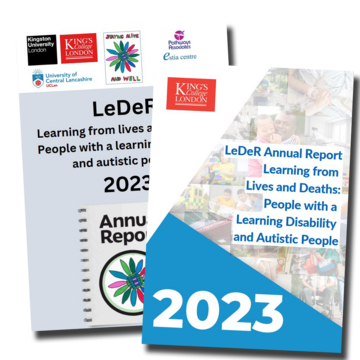
The team at Kings College use all the information they get to make a report.
The Kings College LeDeR team makes a report once a year.
It is called the LeDeR annual report An annual report is a booklet which an organisation writes every year. It tells you what they did that year. .
The LeDeR Report looks at all the deaths of people with a learning disability or Autism that were reported to LeDeR.
The report looks at the health and social care people with a learning disability got before they died.
The report talks about good things and bad things about their care.
The report also says:
- How old people were when they died
- What illnesses or diseases people died from
- If the people's deaths might not have happened if they had got better care.

The LeDeR Report also says what the government The Government are the people who run the country. They decide how much tax people should pay for things and how things like the National Health Service should work. and NHS should change to make sure people with a learning disability or autism get better care in the future.

This easy read Easy Read is a way of making written information easier to understand. Pictures are usually added next to the writing. was first published on September 3 2025