
Vision Statement: Social security
This is our Easy Read Vision. It says what we want the social security system to look like now and in the future in England and Wales.

We have written this Easy Read Vision Statement to share what our views are on social security.
A Vision Statement is a document that tells different people what we think and feel, and what should be done about a topic.
The people that made this Vision Statement are people with a learning disability A learning disability is to do with the way someone's brain works. It makes it harder for someone to learn, understand or do things. .
They
volunteer
 A volunteer is someone who helps out by doing work for free.
to be on Mencap's Voices Council.
Volunteers are people who do not get paid for their work.

The Mencap
Voices Council
 The Mencap Voices Council are a group of 12 people with a learning disability. They share their views and experiences to help Mencap's Board of Trustees make decisions.
advises Royal Mencap Society's Board of Trustees and Executive Team.
We all either have a personal experience Experience is when you have learned or tried something before. or know other people that are a part of the social security system.
People need to know about the different experiences people have, the way that the system works, and help others to understand what needs to change.

This vision stays what we want
To the Voices Council, social security means:
Financial Financial means anything that is to do with money. It is used to describe how people, businesses, or governments get money and how they use it security that is given by the government The Government are the people who run the country. They decide how much tax people should pay for things and how things like the National Health Service should work. if you are in work or out of work.
This is available to all ages and includes pensions, Universal Credit and
Personal Independence Payment
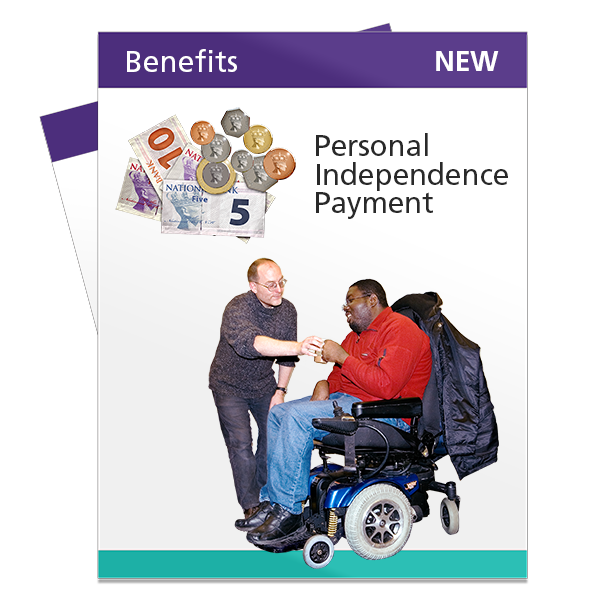 Personal Independence Payment (PIP) is the name of a benefit that some people with a disability or health condition get. The money is to pay for extra help you might need to look after yourself and to get around. Some people who used to get Disability Living Allowance (DLA) now get PIP instead.
(PIP).

We have thought about what social security means to us.

It is difficult to define because there are many different meanings from other organisations Organisations are groups like companies and businesses. , charities and the government.
There is a glossary at the bottom of this page.
A glossary will tell you what a word means in a easy way.
The glossary will help you with a word you might not understand.
The Voices
Council
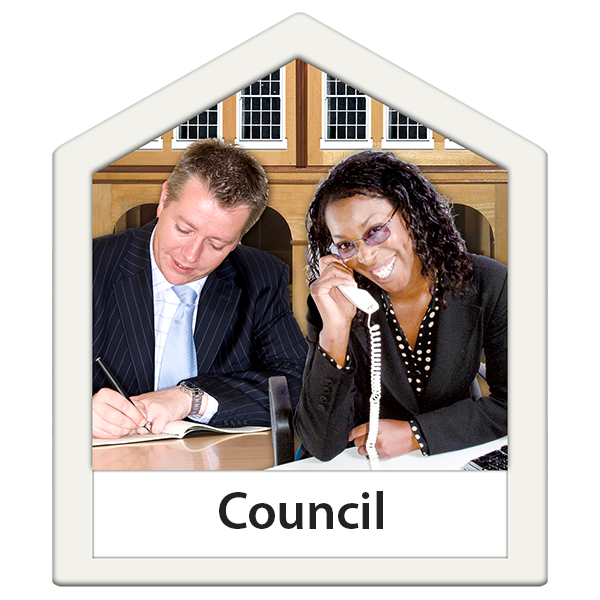 A council is also called a local authority. They are a group of people who make decisions about some of the things in the area where you live. These include: schools, social care (support for people), parks and dustbin collection.
members have talked about lots of things.
We have agreed that there are 5 areas that we think are important in social security.

They are:
- Living and coping with bad experiences.
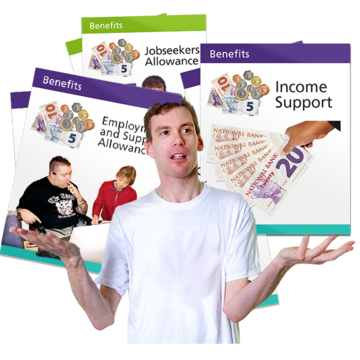
2. What is the right support for individuals and how easy is it for families,
support workers
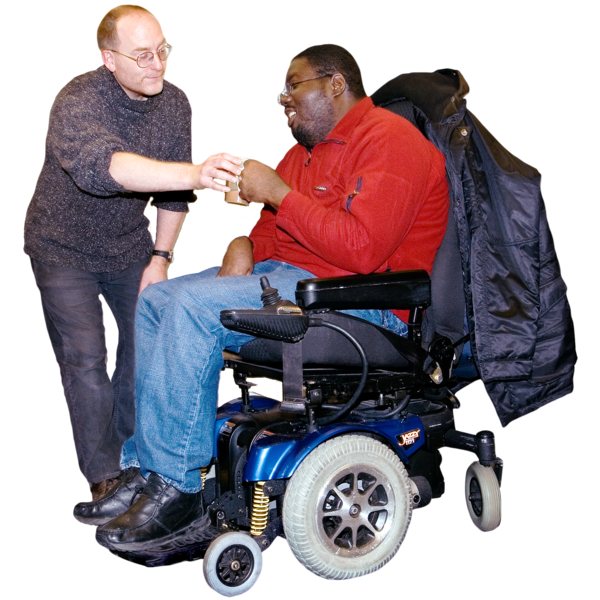 Support workers are people who are paid to give care and support to people who need it.
and other supporters who are
involved
Involved is being included in something or taking part in something.
in the social security system.

3. How you find work opportunities.
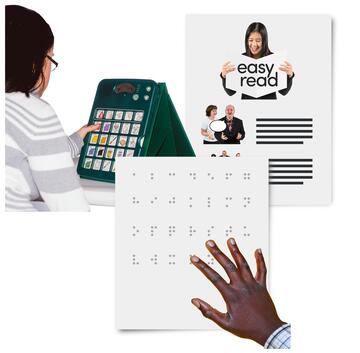
4. How
accessible
 Accessible means something is easy for people to use or join in with. For example: Accessible writing means the writing is easy to read and understand.
the social security system is.

5. We are calling for more transparency of how they do things, what they have learnt, and decisions which are taken by the Department of Work and Pensions.
Transparency in a business setting means being open and honest.
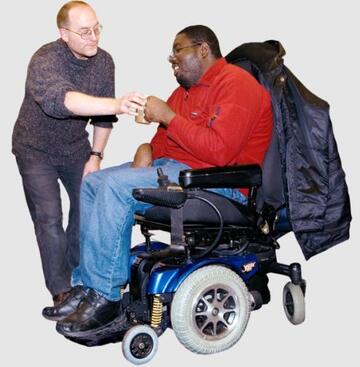
We want to tell you what the right support looks like for people and what experiences our members have had.
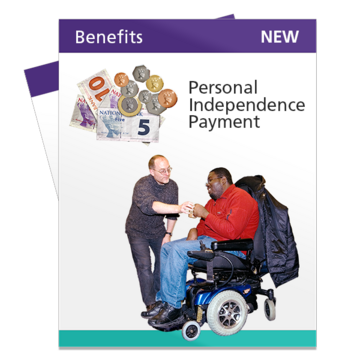
One of our Voices Council members Kylie says:
‘Just because you can't see it, it doesn't mean it is not there. If you get assistance from PIP, the points system is harder for people with a hidden disability.

We want the benefits system to be easier for people with disabilities that are not known.

One of our Voices Council members Bryony says that she has had some problems because of the social security system.
Social security is important to Bryony and her
independence
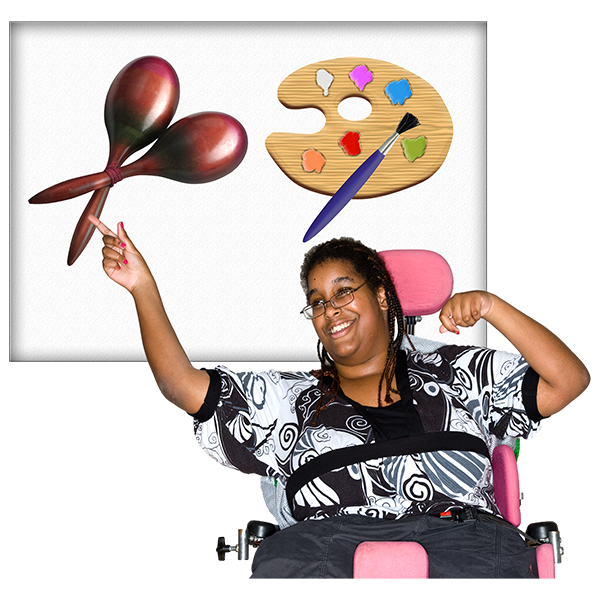 Independence means doing things on your own. Making your own choices.
.
Bryony says:
‘I have extra costs for transport because I need someone to accompany me for support, so that’s an additional cost when I travel.’

‘Another extra cost for me are items of clothing and shoes. I can only wear certain Certain means you are sure about something. types of shoes, limiting my options. I have extra costs on medication, medical products, and personal assistance.’

'I have additional food costs because of dietary requirements, higher water bills because of more frequent showers and I can’t drive so I have to pay for taxis.
I also get Universal Credit and combine this with my benefits to cover my extra costs. Without PIP, I’d have to rely on my parents for everything. PIP gives me independence while keeping me safe in whatever I’m doing.’

Another one of our members, Sam, has said that having a personal
budget
 A budget is a plan where you look at how much money you have and how you will spend it.
really helps him. Sam says 'It needs to be more flexible on what you can spend it on. If you need support to have someone travel with you, you wouldn’t be able to do it if it isn’t in the support plan. It should be able to used on things that make you happy.'

Work opportunities
We are passionate about people with a learning disability finding work. If they want to do this then they need to have the right support to do so.
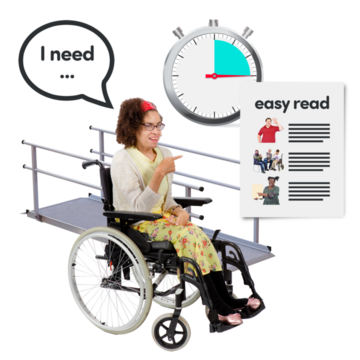
We want employers to think about people with a learning disability.
We need to build a system that means that they are not excluded.
In the government’s Back to Work
strategy
 A strategy is a plan to show what an organisation, or a person, wants to do and how they are going to do it.
, we want employers to make sure finding a job is accessible.

Job application forms are not accessible.
People with a learning disability usually do not move into new jobs when they are applying using an application form and also need additional support to apply in this way.
We would like finding a job to be more inclusive.
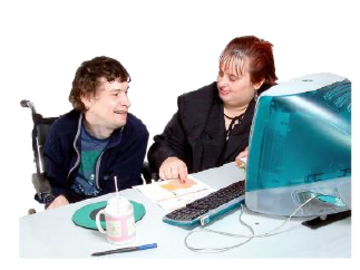
People with a learning disability in England who have an
education
Education is when you learn things. When you fill in a form to get a job, education means you write where you went to school, college or university.
, health and care plan can get support to move between school, college or university, with
work experience
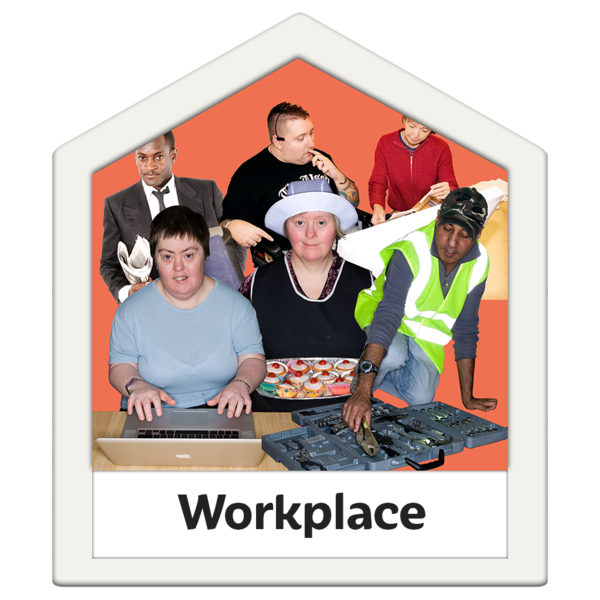 Work experience is when you try out a job to help you learn new skills.
through programmes like
supported internships
A work placement for young people with additional needs, where they get support from a job coach.
.
We want these programmes to lead to more paid job offers.

We think it needs to be easier for people to try work especially if they are not in work already.

The government should end the work capability
assessment
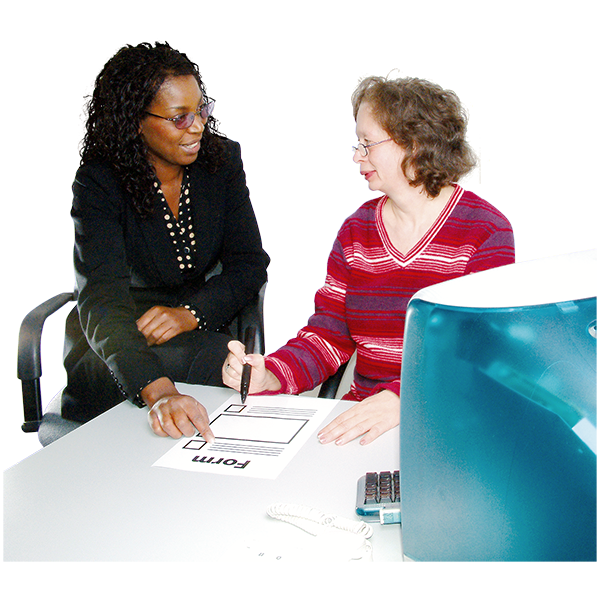 An assessment is a way of finding out what help a person needs. When you have an assessment, you might have to go to a meeting or fill in a form.
and stop deciding who can work and who cannot.
The Department of Work and Pensions ( DWP DWP stands for the government Department for Work and Pensions. ) should give advice on what work that person can do and help them get the right job.

We need to think about each disabled person. Some people may struggle to work full time hours.
The government should support people into work, and they may need a universal credit top up if they want to try working part time. The work should be at the right hours for them.

We would like there to be more people with a disability helping others on how to employ and support disabled people.
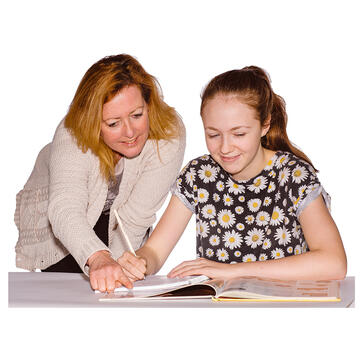
Getting support in work
The area for the employees needs to be right and it needs to be a supportive and inclusive.
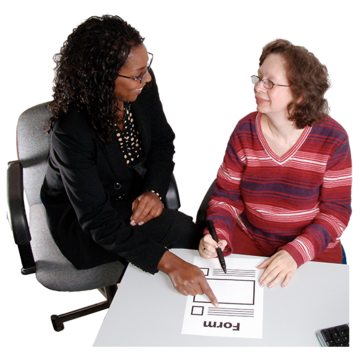
A supportive culture might look like talking openly about disability and using lived experience.
Employers should have a strong reasonable adjustments process which is encouraged by the employer.

A bad experience at work has a negative effect on the person with the learning disability feeling like they do not want to carry on looking for work.
We need to make sure that those experiences happen less.

There are lots of assumptions about what work is and being ready to work.

People need support to be ‘work ready’.
This might come from a family member or line
manager
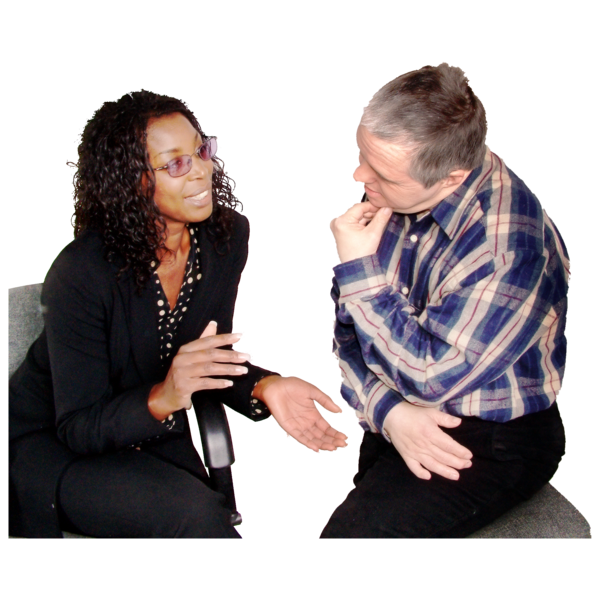 A manager is a boss at work. They tell you what you need to do and give you support if you need it.
or from a supported
employment
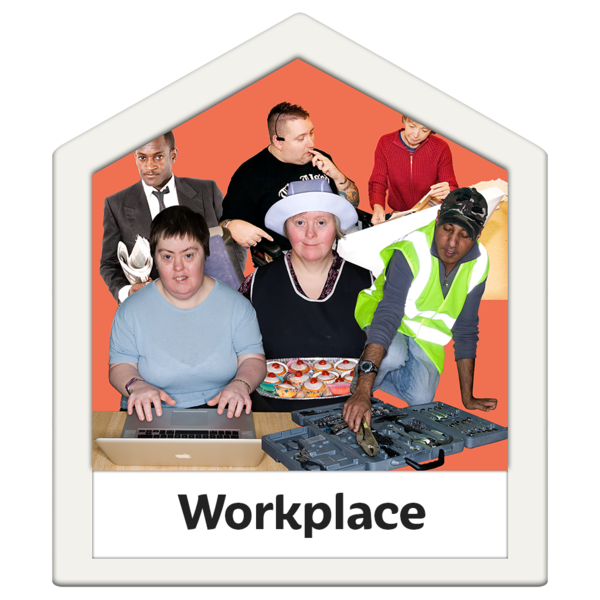 Employment means having a job.
programme.

This may be office culture, how to dress, how to behave and what feeling comfortable and supported looks like.
An employer can put things in place to help someone to be in work. This could be not having any possible bias at
interview
 An interview is a meeting where you talk to someone or a group of people about something. When you have an interview for a job, you have to answer questions and say why you would be good at the job. The person who gives the best answers is offered the job.
.
Bias is supporting a view which may be unfair or not balanced.
An employer can use plain English when writing and speaking with different people.
Easy Read should be there as a reasonable adjustment.

There are lots of reasonable adjustments and things employers can do to support people with a learning disability in work.
The right support will be different for different disabled people.
Access to Work is a programme that helps disabled people get the support they need in work to go beyond reasonable adjustments, like a support worker.
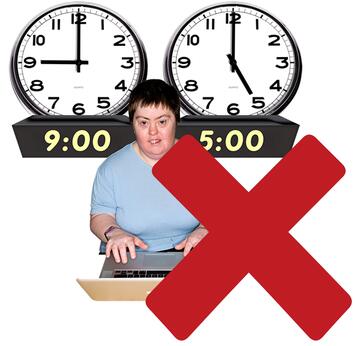
Some disabled people would not be able to work without this support.

There have been lots of problems with the Access to Work process recently.
We have heard that some people can wait over a year for an Access to Work application to be accepted.
If you need to change your Access to Work it can take months to do this and get a reply.
We want the government to fix this, and make sure people with a learning disability get the support they need.

We are not sure that there is the right support for filling in the forms.
Many of the forms that need to be filled in are not in Easy Read.
There should be more support to help people with a learning disability apply for Access to Work.
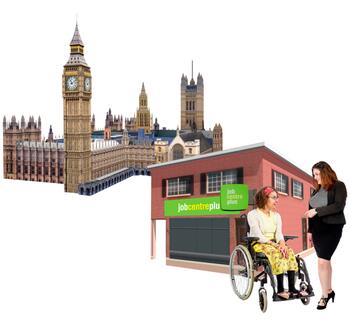
The government should put more money into Access to Work so more people with a learning disability can get the support they need.
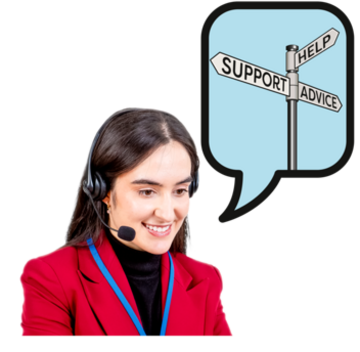
If somebody cannot get Access to Work support, and needs it, what would this person do?
There are not many resources for this.
Disabled people can go to the Citizens Advice Bureau,
local authority
 A local authority is also called a council. They are a group of people who make decisions about some of the things in the area where you live like schools, social care (support for people), parks and dustbin collection.
or an
advocacy
 Advocacy is when you get support to have your say.
group.
Accessible DWP
We are worried about how accessible the system and the Department for Work and Pensions The Department for Work and Pensions is sometimes called the DWP. It is part of the government and manages payments and benefits like Universal Credit, Personal Independence Payment, Employment and Support Allowance, and Income Support. is.

Communication with the department is very difficult for many people with a learning disability and their families.
Lots of the services are based online which excludes some people with a learning disability

This will be difficult for people who may need more support to use these services online or who do not have access to the internet.

It is important that people have access to digital support to apply for the benefits that they are entitled to.

If someone gets a call from the Department for Work and Pensions this sometimes comes through as a fake call. It will have no caller ID.
This means that the person getting the call does not know if it is the Department calling or not. There is no way to call the Department for Work and Pensions back.
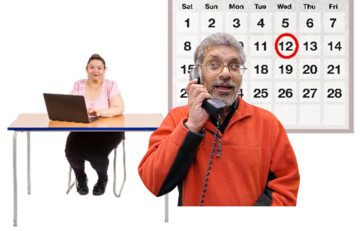
We want the Department to be more understand more, and tell people when they are calling. This will help to make someone less worried when they get a call.

We know that people have been sanctioned for not responding to the DWP or doing what they ask.
For example, if someone misses an appointment, public transport problems getting to an appointment or does not have the support to get to appointments.

Some people with a learning disability who have been sanctioned tell us they did not understand what they needed to do or could not do it. We do not think this is fair.

Worrying about sanctions makes some people scared to get support or help to find a job.
We think that people with a learning disability should not be sanctioned by DWP.

PIP review
The Minister of Social Security and Disability, Stephen Timms MP, said he is going to review PIP to see how it is.
He said he will work together with disabled people.

We’d like to meet the Minister to make sure he listens to people with a learning disability. We want to know how disabled people will be involved in making decisions and what will happen at the end of the review.
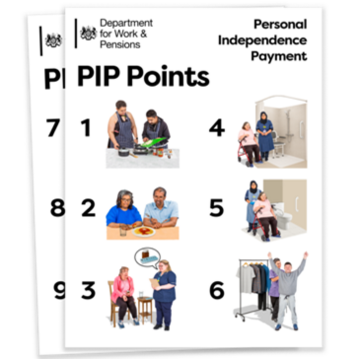
We want some of the PIP assessment points to be changed so the assessment includes more of the support needs that we have.
We hope this would make PIP fairer.

We want Ministers and DWP staff to speak to more people with a learning disability and their families and carers when they make decisions.

We think it needs to be easier for people to be able to try work if they want to.
Mencap chaired a listening event. We asked Cordis Bright to do some research Research is a way of finding out information which could come from books, or asking people what they think. recently.
People with a learning disability said that the language being used around benefits is bad and upsetting. It makes people feel like they do not want to apply for benefits that they are allowed to get.
DWP need to change their language so that it speaks about disabled people with more dignity Dignity means you treat yourself and others well and with respect. and respect Respect means showing someone you think about someone's feelings, wishes or rights. .
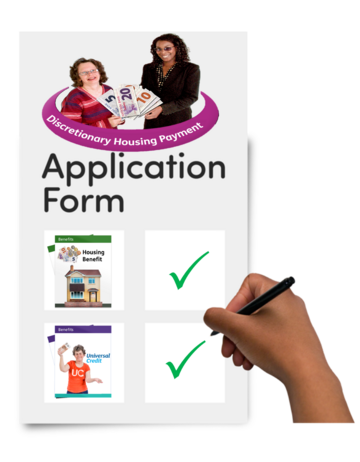
The Voices Council calls for more links between the different benefits to make it easier for people with a learning disability to apply and get the right support.
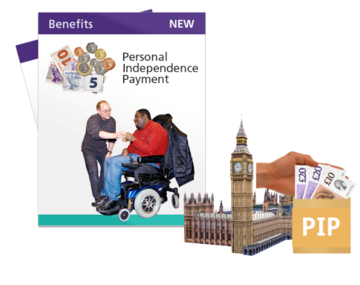
We want the government to check whether PIP payments are enough money for people and whether they meet the needs that people with a learning disability have.

For a disabled person there are extra costs. This includes clothing, and transport.
There is a much greater cost that needs to be thought about how much PIP payments amount to.

It is much better to have a whole life of benefits such as PIP.
You should not have to reapply every few years if your support needs have not changed.
This has less impact on the person and their family carers.
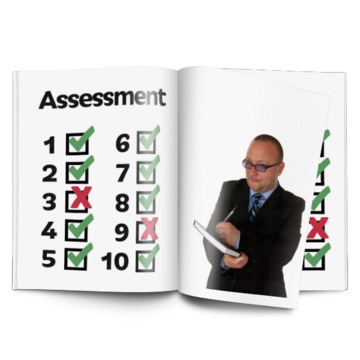
We think that people with a learning disability should have less checks on their benefits.
This is because a learning disability is lifelong and it will not change.
We would propose that people with a learning disability don't need to go through any benefit sanctions.

We want to know how many disability focused Job Centres we have, and how many have training in learning disability?
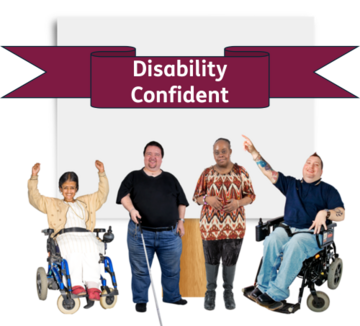
Is the government going to support more employers to gain Disability Confident status?
How will they get employers to hire more people with a learning disability?

How many people with a learning disability have changed from
Disability Living Allowance
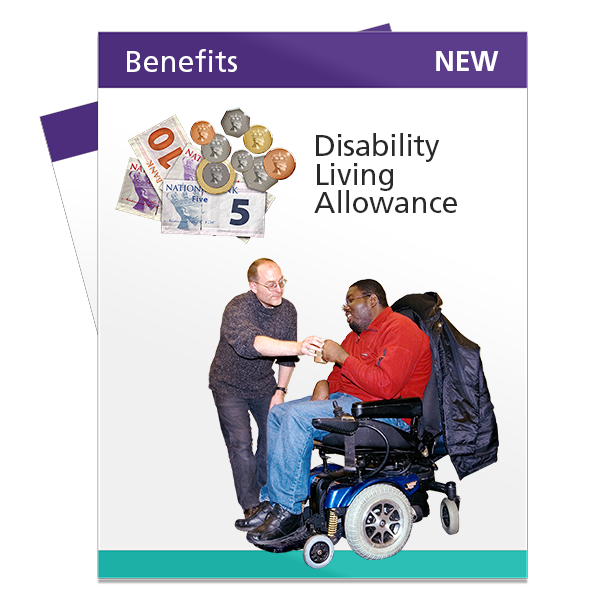 Disability Living Allowance (DLA) is the name of a benefit that some people with a disability get. The money is to pay for extra help you might need to look after yourself and to get around. Disability Living Allowance is being replaced by a benefit called Personal Independence Payment (PIP).
to Personal Independence Payment, or from Employment Support Allowance to Universal Credit?
How have they been supported to use and understand the new system?

We would like to know how many people receive digital support and training from the government and how many people have the assistance they need to access their benefits.
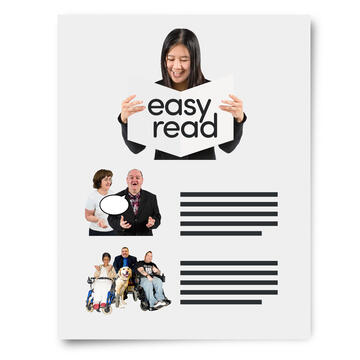
All DWP letters should have the option of coming to you in Easy Read.
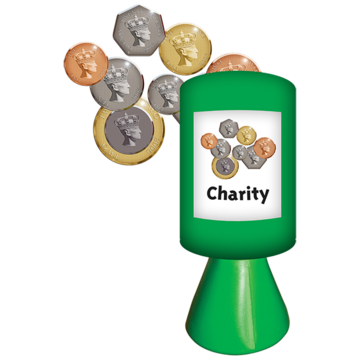
Most support for people comes from charities. We do not think that this is right.
It needs to be mixed as not all charities may have the right skills to support people with a learning disability. People might lose out on getting the right benefits.

Where to get more help and advice about this Vision Statement
If you have any questions about this Vision Statement please:
- Email: [email protected]
- Phone: 020 7454 0454
Media enquiries should be made by:
- Email: [email protected]
- Phone: 020 7596 5414
Glossary
Advocacy
Advocacy support can help to give a people with a learning disability the confidence and ability to speak up about things that are important in your life.

Assumptions
Things someone might think are true without checking or proving them.

Bias
Favouring a view which may be unfair or not balanced.
Disability Living Allowance
Disability Living Allowance is the money the government gives to people who have a disability and need extra help with everyday activities or getting around. It is often shortened to DLA.

Exempt
Not having to do something or not being affected by something that usually applies to others.

Independence
Helping individuals to make their own choices and do as much for themselves as possible, while supporting them when they need help.
Benefit sanctions
When the government lessens or stops a person's benefits (money they get from the government to help with living costs) because they haven't met certain rules, like not going to a meeting at the job centre or not looking for work properly.

Social security
A financial security net that is given by the government for if you are in work or out of work.
This is available to all ages and includes pensions, Universal Credit and Personal Independence Payment.

This Easy Read Vision Statement was first published in September 2025.
It was last updated 25/09/2025.
The full Vision Statement can be found on the Mencap website.
Written by Mencap’s Voices Council. This is the group’s view and opinion from its 10 members.
With thanks to the Mencap Policy Team and Research Team respectively, Mencap Cymru, and the Include Me Colleague Inclusion Group for their feedback and support.