
Ticket scams
Ticket scams

What is a ticket scam?
A scam is when someone tries to take your money by pretending to help you, or by offering you something which they are not going to give you.

A ticket scam is when criminals try to sell fake tickets or tickets that do not exist for events like sports games, concerts, or music festivals.

How do criminals use social media and websites for ticket scams?
- On social media, criminals create fake profiles, pages, or posts to trick people who are looking for tickets.

They might send you a message to offer you fake tickets or try to contact you through groups, posts, or pages.

Criminals can make fake websites that look real.

The fake websites can steal your personal details or money.

The criminals might copy real websites, but make small changes to the website address, design, or words to trick you.

They might send you tickets, but when you try to use them, you will find out they are fake.

How to protect yourself from ticket scams
- Do not click on links or offers in emails or on social media that seem too good to be true.

2. Find out information about the website you are buying the tickets from.

Check what people are saying about the website by asking people you trust, or by looking on websites you know.

3. If someone offers to meet you outside the venue to give you your tickets, it is likely to be a scam.

4. Check the website address carefully to see if it might be a fake.
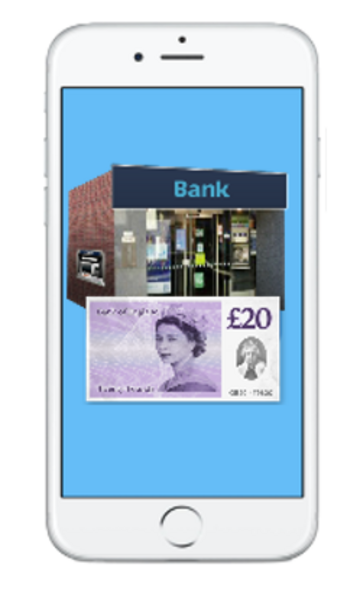
5. Only use secure payment methods to pay for your tickets and be careful if you are asked to pay by bank transfer.

6. If you are paying more than £100 for your tickets, use a credit card if you can. This will give you more protection.

7. Always try to buy tickets from official sellers that are members of the Society of Ticket Agents and Retailers (STAR).

If the seller is not a member of STAR, it might be a scam.

What should I do if I think I have been scammed?
Contact your bank as soon as possible.
If you are in England, Wales or Northern Ireland, report it to Report Fraud at https://www.reportfraud.police.uk/ or by phoning 0300 123 2040.

If you are in Scotland, you should report it to Police Scotland by phoning 101.
Find out more
Take Five is a campaign A campaign is when people work together to try to change something. which gives advice about how to try to make sure no-one tricks you and takes your money.

You can find advice about the Take Five campaign online at www.takefive-stopfraud.org.uk

If you have a learning disability A learning disability is to do with the way someone's brain works. It makes it harder for someone to learn, understand or do things. or care for someone with a learning disability and want to find out more about scams or the Take Five campaign, you can call Mencap‘s Learning Disability Helpline on 0808 808 1111.

This easy read Easy Read is a way of making written information easier to understand. Pictures are usually added next to the writing. was co-written by Mencap and UK Finance.

First published 10/02/2025
Last updated 21/05/2026