
Solar eclipse
Solar eclipse
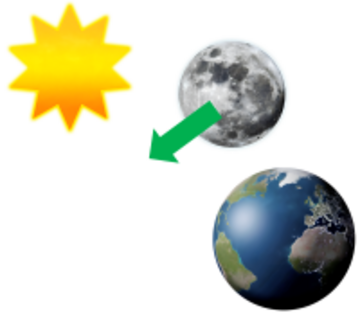
What is a solar eclipse?
A solar eclipse is when the Moon moves between the Earth and the Sun.
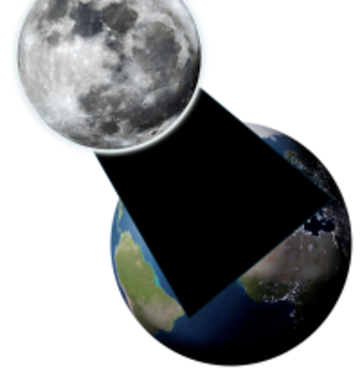
The Moon's shadow falls on the Earth.
Everywhere in the Moon's shadow goes dark.
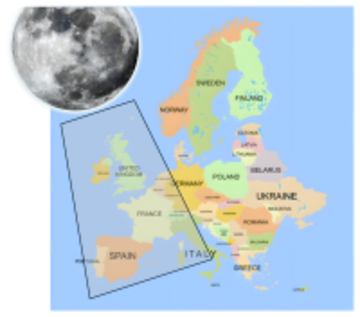
The Moon's shadow is too small to make everywhere on Earth dark, so only some places go dark.
When is the next solar eclipse?
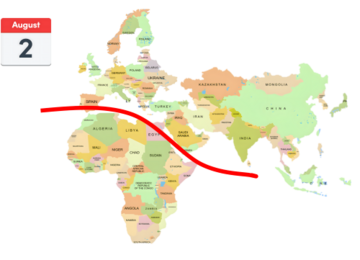
The next total solar eclipse will be on 2 August 2027.
It will be seen from Southern Spain, North Africa and the Middle East.
When was the last solar eclipse?
On 12 August 2026 Northern Spain saw the last total solar eclipse and the UK saw a partial solar eclipse.
A total solar eclipse is when all of the Sun gets hidden by the Moon.
A partial solar eclipse is when most of the Sun gets hidden by the Moon, but not all of it.
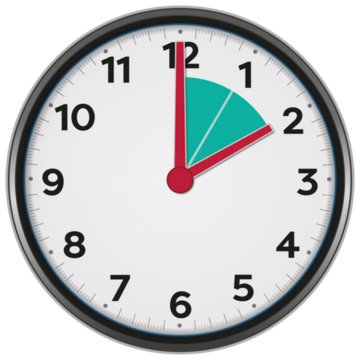
A solar eclipse lasts for about 2 hours.
What happens during a solar eclipse?
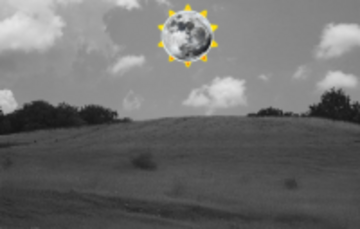
It will get darker because the Moon will stop most of the light from the Sun getting to the Earth.
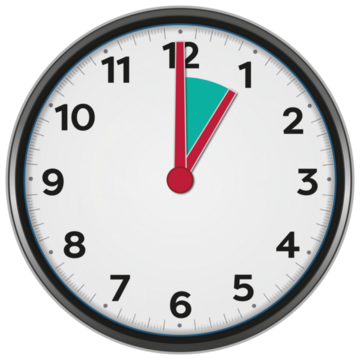
The darkest bit of the solar eclipse will be about an hour after it starts.
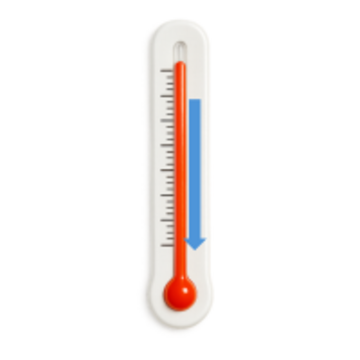
It will get a bit colder.

Animals will think it is night time.
There will be safe ways to watch the Moon move in front of the Sun.
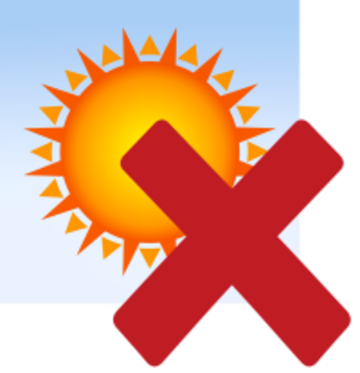
How can I watch the eclipse safely?
You should never look at the Sun without the right protection for your eyes.

If you do not have the right protection for your eyes, the Sun can harm your eyes.
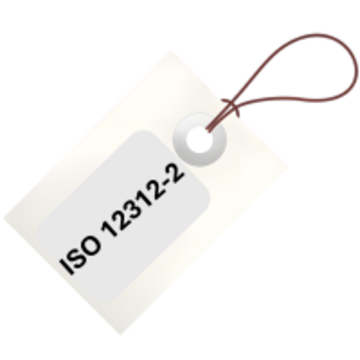
You can look at the Sun during the eclipse if you wear eclipse glasses. The glasses must have the safety code ISO 12312-2.
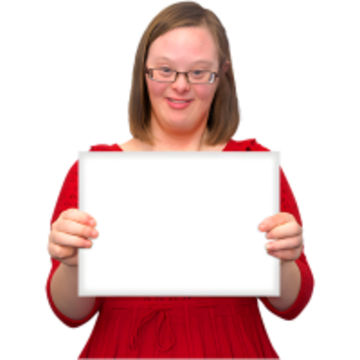
You can also look at the eclipse by making a pinhole projector using card or paper plates.
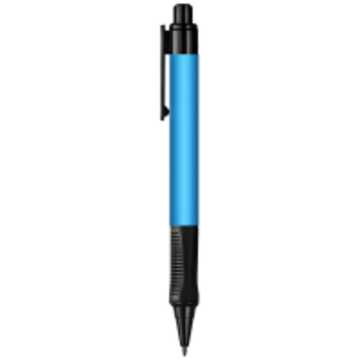
To make a pinhole projector:
- Make a small hole in the middle of a piece of card or a paper plate. You could make the hole with a pin or the point of a biro.
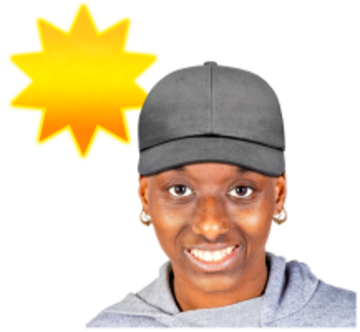
2. Stand with your back to the Sun.
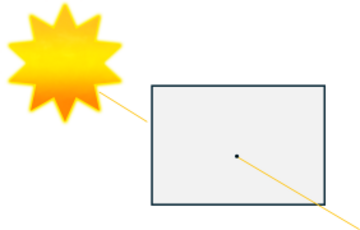
3. Hold up the card or paper plate with the hole in it so the light from the Sun goes through the hole.
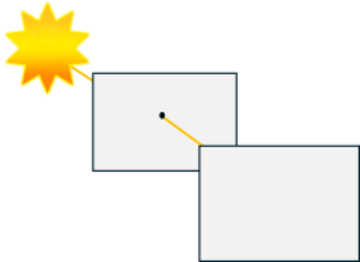
4. Hold the other piece of card or paper plate so that it catches the light coming through the hole.

5. You will be able to see the shape of the Sun on the second piece of card or paper plate.

6. Watch the shape of the Sun change on the piece of card or paper plate as the Moon travels in front of the Sun.
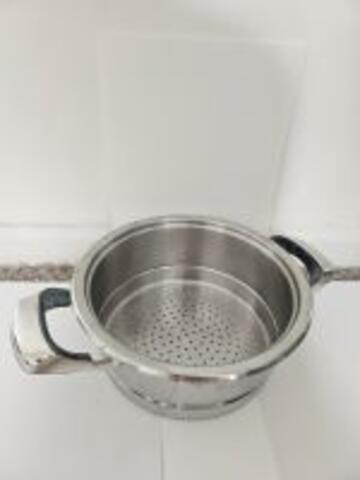
If you do not want to make a hole in a piece of card or a paper plate, you can hold up a colander instead. You usually use a colander in your kitchen to drain water from your vegetables when you have cooked them.

If you use a colander, you will get lots of pictures of the Sun on your piece of card or paper plate.

For the 2026 solar eclipse, the European Space Agency showed details of how you could watch the eclipse online.
The CEST times on the
website
 A website is a page you can go to on the internet like Google or YouTube.
are the Central European time so if you are in the UK, it will be 1 hour earlier. For example 6pm CEST is 5pm in the UK.

The Royal Observatory Greenwich's Facebook page and YouTube channel also showed the eclipse.

First published 11/08/2026
Last updated 13/08/2026