
Public transport accessibility research: No Journey Left Behind
Public transport accessibility research: No Journey Left Behind

Making public transport accessible for people with a learning disability
This is the easy read version of a report about people with a learning disability using public transport.

The Motability Foundation gave some money to Mencap to do some research Research is a way of finding out information which could come from books, or asking people what they think. and write a report.

Why is public transport important?
Public transport helps people to do lots of things. For example:
- visit friends and family
- go to the doctor or hospital
- be part of the community A community is the people and places in an area. .

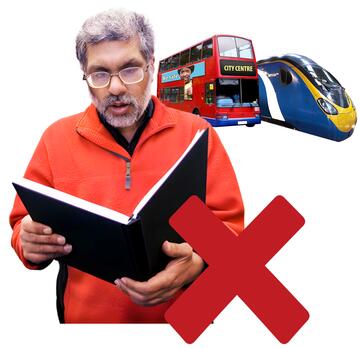
Lots of people with a learning disability say it is hard to use public transport.
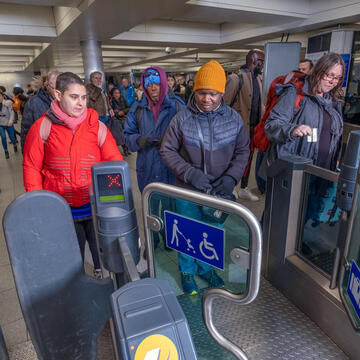
Problems with using public transport include:
- buses and trains do not come very often, or do not come on time
- it can be too busy, or too crowded
- it is hard to get on and off public transport, especially for people with a
physical disability
 A physical disability is to do with your body. You might find it hard to do some things like walk or lift things.
- it is confusing to plan a journey.
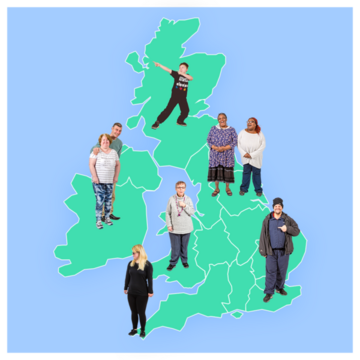
Where you live makes a difference
Public transport is not the same everywhere.
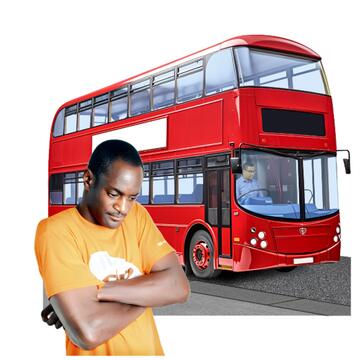
In some places, it can be harder to use public transport to get to where you want to go.

A lot of people with a learning disability do not drive a car.

This means they often have to use:
- public transport
- lifts from family
- taxis.

What can happen without good transport?
If people with a learning disability do not have transport they can use, they might:
- find it hard to be independent
- not be able to work
- feel isolated or lonely
- have worse mental and physical health.
Why do the research?
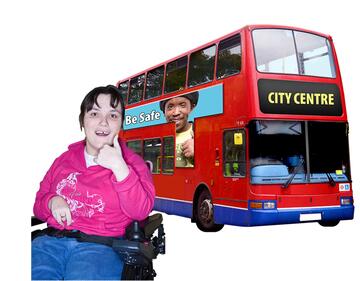
People with a learning disability want to travel twice as much as they do at the moment.

But poor transport stops them from doing this.
Why is this research important?
A lot of research does not give clear advice about how to make public transport better.

Some research puts all disabilities in one group, instead of looking at different needs.

This makes it harder to understand what people with a learning disability really need.

This research wanted to:
- understand what makes it hard for people with a learning disability in the UK to use public transport

find out how public transport affects things like:
going out in the community
feeling well and happy
getting a job or going to work.

- give useful ideas to make public transport better for people with a learning disability.
What did we do?
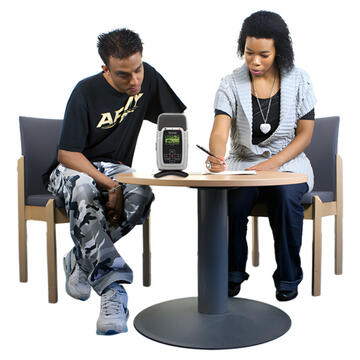
We did 10 video journeys and interviews where people with a learning disability talked about their journey on public transport.
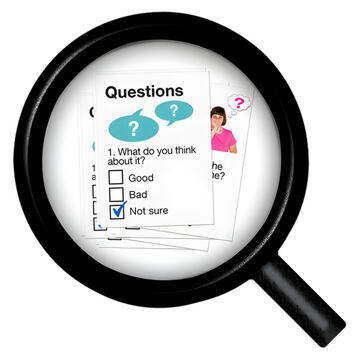
1107 adults with a learning disability from all over the UK took part in our Big Public Transport
survey
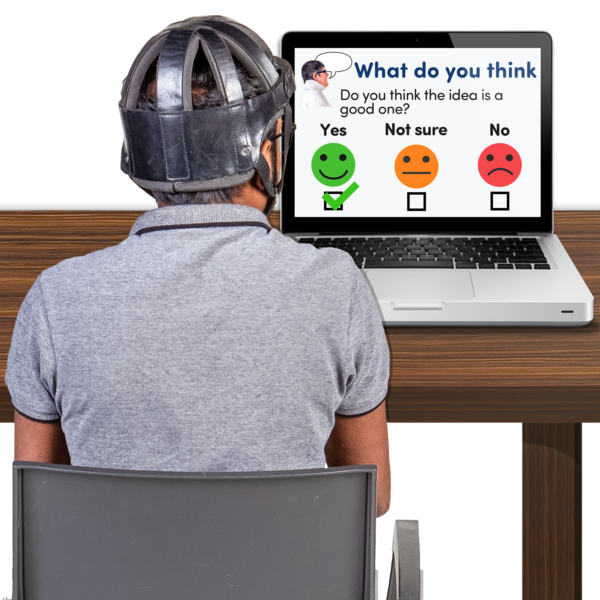 A survey is when someone asks you to answer some questions.
.

We ran 7 focus groups Where a group of people meet to talk about a topic, and a researcher asks them some questions. in different places in the UK to learn more about the experiences of people with a learning disability using public transport. A focus group is when a small group of people meet to talk about something.

We worked with 2 groups of colleagues with a learning disability to make the questions for our survey, focus groups, and video journey interviews.

What did we find out?
We found 6 things that make it difficult for, or stop people with a learning disability using public transport.

1. Public transport is confusing
People with a learning disability said that planning their journey and using public transport is hard. They often need help from other people to travel.
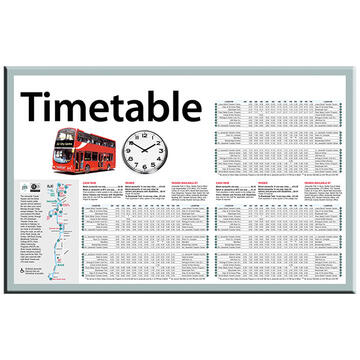
The things that a lot of people with a learning disability find hard and confusing include:
- timetables
- maps
- listening to announcements.
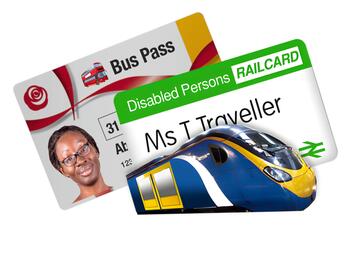
2. Travel passes and tickets do not work well
Only 4 out of 10 people who took part in the research said they have a disability travel pass. They said they can only use their travel pass at certain Certain means you are sure about something. times.
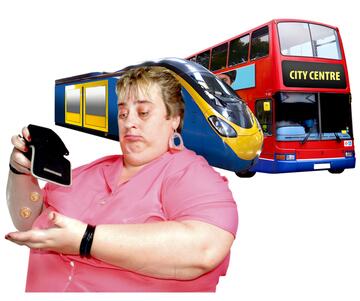
Some people said they can not use public transport because it is too expensive.
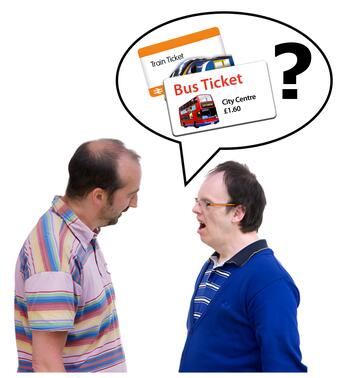
It can be difficult to buy a ticket. People with a learning disability have to ask their family to help them to buy a ticket.
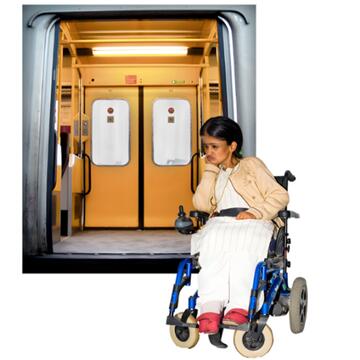
3. Travel spaces are not accessible
People with a learning disability said that sometimes they can not sit with their carer or supporter on public transport. This makes them feel unsafe and less confident when they are travelling.
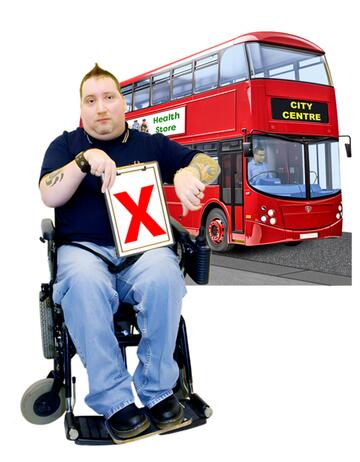
Buses and trains sometimes do not have space for wheelchairs.

Crowds, noise and smells can make some people feel stressed or anxious about travelling.

4. Public transport is unreliable
People with a learning disability who took part in the research talked about transport being delayed, cancelled or diverted. Over half of the people who took part said this was a problem for them.

People with a learning disability have to ask friends and family for help when things go wrong with their journey.
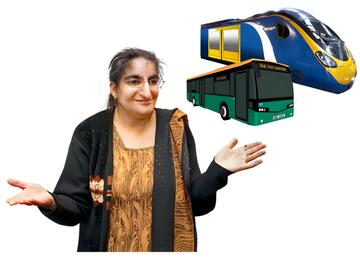
Travel training can help to make people more confident at using routes they know, but it does not help them when they have to make changes because of transport being delayed, cancelled or diverted.
5. Public transport staff do not understand learning disability
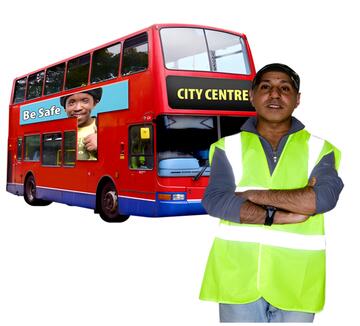
People with a learning disability told us that some transport staff do not understand learning disability and are not always patient.

Some staff do not know how to support people who communicate in different ways. Some staff are not friendly or respectful.

Some staff are kind, but some staff are unhelpful. This can make travelling more stressful.

6. Public transport is unsafe
Less than half of the people who took part in the research said they feel safe on public transport.

A lot of people said they only feel confident travelling at certain times during the day.
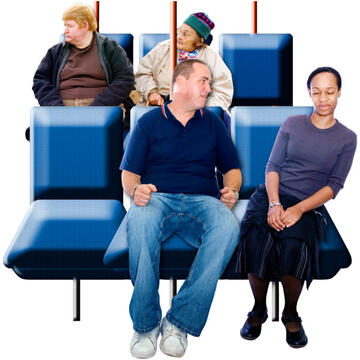
Other passengers can make people with a learning disability feel unsafe on public transport.

Sometimes people do not understand that you can not always see if someone has a disability and they are rude to other people.

How do these things affect people?
We also found out how these things can affect:
- people's health
- feeling included and part of a community
- getting a job or going to work.

Health
People with a learning disability said that public transport makes them feel stressed.
People who said they feel sad about public transport found it harder to get to the station.
But people who feel happy and confident use public transport more often.
Community
People who live on their own are more likely to use public transport to see friends and family and go out in their community.
People who live in the countryside find it harder to use public transport. This can make them feel lonely or left out.
Work
People with a learning disability told us that transport is very important for getting to work and doing volunteering.
When public transport is not easy to use, it can stop people from working.
People who can not work because it is too hard on their body or mind often find public transport more stressful.

What will happen next?
We came up with 9 ideas about how to make public transport better for people with a learning disability:
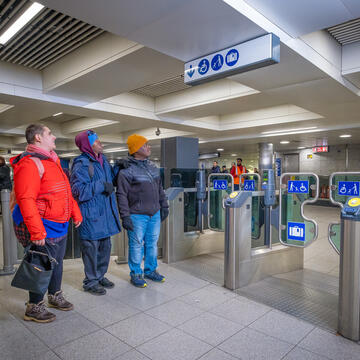
1. Make travelling feel easier everywhere
Announcements, ticket machines and signs should be the same at every station.
This will make it less confusing and help people with a learning disability feel more confident when they use public transport.

2. Co-produce accessible travel information
People with a learning disability should help to make maps and timetables that are easy to read.
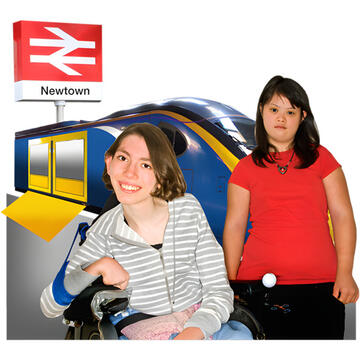
They should also help to make clear and easy to understand screens and signs at stations.
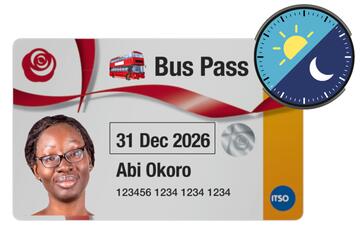
3. Make travel passes that you can use at any time and you do not need to renew
People with a learning disability need to have a travel pass that works at any time of the day or week.

The travel pass should last for a person’s whole life. They should not have to apply for a new one again and again.
4. Have companion passes
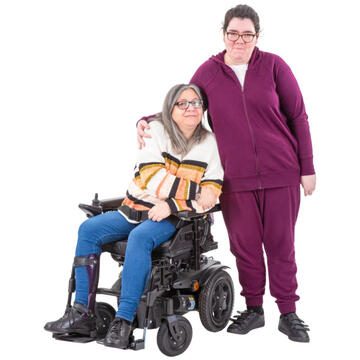
You should be able to get a companion pass everywhere. This would mean that someone could travel for free with anyone with a learning disability who needs help.
5. Build quiet and calm zones
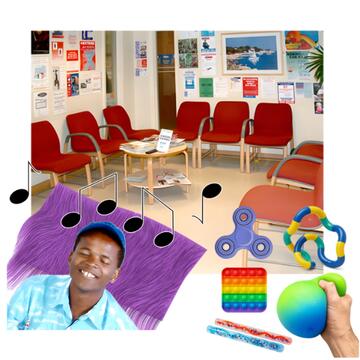
Busy stations should have quiet zones. This would help people who find it difficult to be in busy, noisy places.
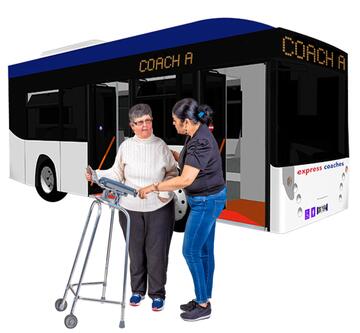
Staff members should also help passengers if someone is feeling stressed when travelling.

6. Support people when things change
When journeys get cancelled, this can make people feel worried or stressed.
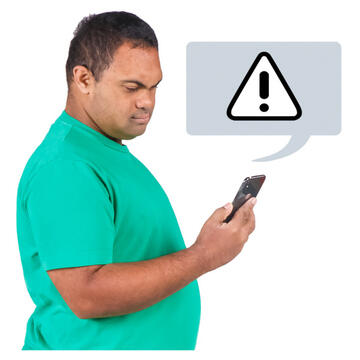
If people get a text message on their phone when their journey changes, it can help them feel less worried.

Staff should be trained to help people with their journey if things change.

7. Involve more people with a learning disability
People with a learning disability should help make decisions about public transport.

They can help to make training materials and help to teach public transport staff.

They can also help staff to make sure spaces and information are easier to use.

8. Have more passenger awareness campaigns
The signs for priority seats on public transport should be checked and made easy to understand.

This will help staff and passengers learn more about learning disability.

It will help them to be patient and make sure that the people who need to use the priority seats can use them.

9. Tell people about “Safe Places”
Places such as cafes, libraries and shops should sign up to be a safe place for people to go for support.
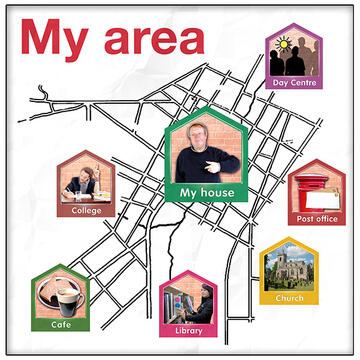
Public transport companies should tell people about Safe Places they can go to if they need support.

Help and information
You can read the full version of the No Journey Left Behind report.


If you have a learning disability, or are a family member or carer of someone with a learning disability and would like advice about using public transport, you can contact the Learning Disability Helpline.
In England:
- phone 0808 808 111
- email [email protected]
In Northern Ireland:
- phone 0800 808 1111 and choose option 2
- email [email protected]


If you have any questions about the information in the research, please contact Mencap’s Research team. Email [email protected]

First published 19/08/2025
Last updated 19/08/2025