
Prader-Willi syndrome
Prader-Willi syndrome

What is Prader-Willi syndrome?
Prader-Willi syndrome is a condition that can affect:
- how hungry you feel
- how you develop
- how you behave.
People with Prader-Willi syndrome have some genes which are missing or not working properly.
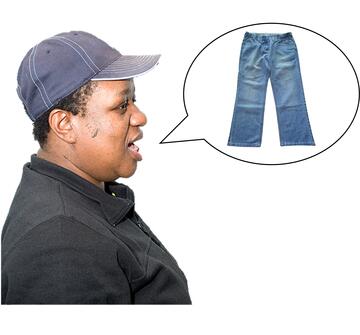
You say genes like jeans.
Your genes are part of your cells.

Every living thing is made of lots of cells.

Prader-Willi syndrome does not happen very often. About 1 in every 15 thousand people in the UK have Prader-Willi syndrome.
Prader-Willi syndrome usually happens by chance.
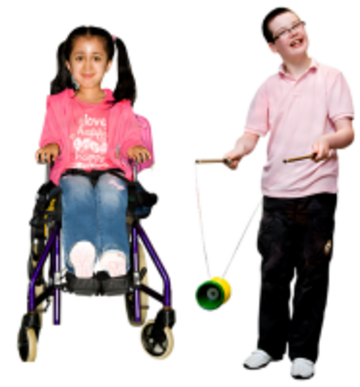
Boys and girls can have Prader-Willi syndrome.

How do I know if my child has Prader-Willi syndrome?
Babies and young children with Prader-Willi syndrome often:
- feel very floppy
- find it difficult to eat and drink
- put on weight slowly
- start to do things like holding a toy or walking when they are older than other children.

Lots of older children with Prader-Willi syndrome will feel hungry all the time.

This means they might look for food a lot of the time.

It is not their fault. It is because their brains do not tell them when they are full.

It means that people with Prader-Willi syndrome might need support around food to keep them safe and healthy.

People with Prader-Willi syndrome might also:
- have a learning disability A learning disability is to do with the way someone's brain works. It makes it harder for someone to learn, understand or do things.
- find it difficult to read or speak
- behave differently. For example they might be anxious or get upset a lot.
- be shorter than other people
- have different hormone levels than other people. Hormones are chemicals in your body which tell cells and organs what to do and when to do it.
- find it difficult to sleep.
Talk to your doctor if you are worried about your child.
Help
Everyone who has Prader-Willi syndrome is different and will need different help.

People with Prader-Willi syndrome can be happy and do things they enjoy if they have the right support.
Children with Prader-Willi syndrome should have a doctor who has had special training to look after the health of children. The doctor checks how the child is growing, learning, talking and behaving.
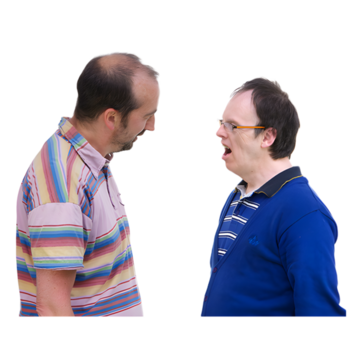
A lot of people with Prader-Willi syndrome will need some help for all of their life.
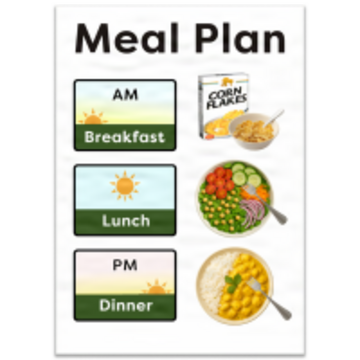
They might need help with:
- how often and how much they should eat
- making sure they eat the right sort of food
- how easy it is for them to get to food.

They might also need help with:
- regular health checks
- speech and language therapy
- physiotherapy. Physiotherapy can be exercises, massage or other treatment to help a person to move better.
- school and college
- how they feel and behave
- reminders that having Prader-Willi syndrome is not their fault.

The Prader-Willi Syndrome Association (PWSA) UK has lots of information and support.

You can also contact the Learning Disability helpline for information and support about living with a learning disability:
- email [email protected]
- phone 0808 808 1111.

First published 07/09/2026
Last updated 07/09/2026