
How to get support at home or in the community if you have a learning disability
How to get support at home, or in the community, if you have a learning disability

Support at home means getting help where you live.

Support at home can be help with things like washing, getting dressed, making meals, eating and managing money.

A paid
support worker
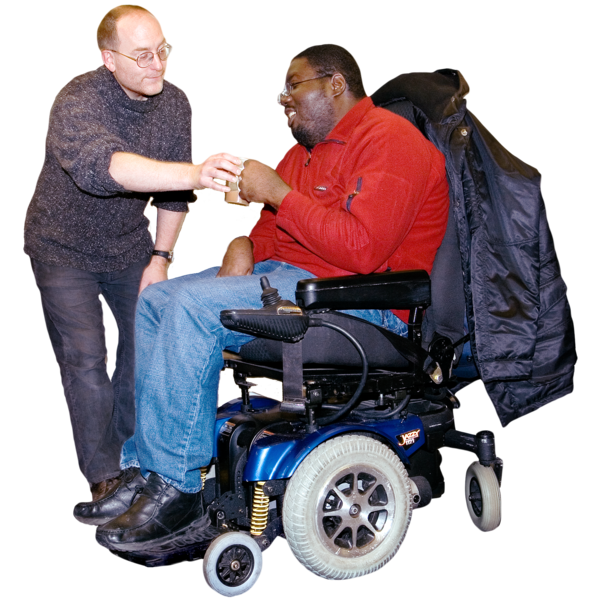 Support workers are people who are paid to give care and support to people who need it.
may come to your home to help you
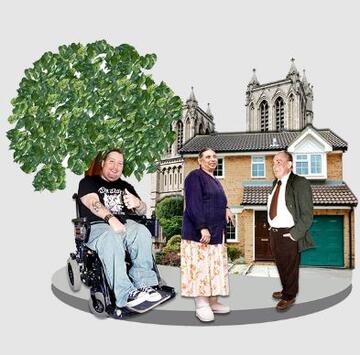
Support in the community A community is the people and places in an area. means getting help outside your home

Support in the community helps with things like day trips, going shopping and social groups.
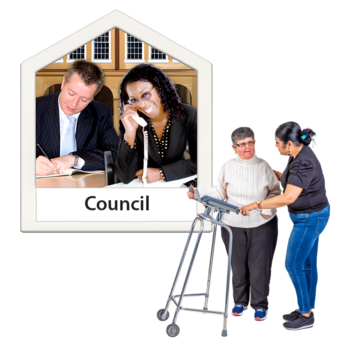
Who to ask for support at home or in the community
You can ask your local
council
 A council is also called a local authority. They are a group of people who make decisions about some of the things in the area where you live. These include: schools, social care (support for people), parks and dustbin collection.
for support at home or in the community.
The people who help are called Adult
Social Care
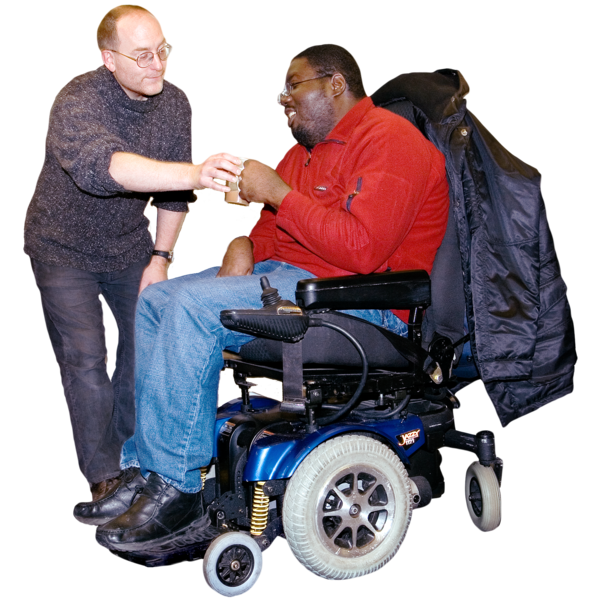 Social care means the services that give care and support to people who need it.
or Social Services
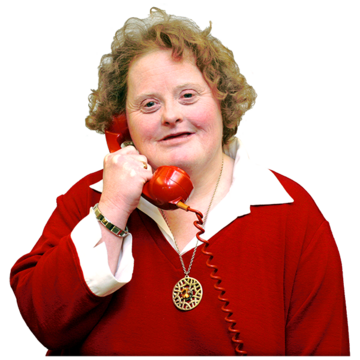
How to ask for support at home or in the community
To ask for support at home or in the community you can:
Phone your council
You can use the government website to find the contact details of your local council.

Visit your council's website
 A website is a page you can go to on the internet like Google or YouTube.
.
You can use the government website to find the website address of your local council.
- You can visit the government social services website to find how to apply for support at home or in the community in your area.

What happens after you apply for support at home or in the community?
The council may invite you to a meeting to talk to you about your support needs.
Support needs are the things you need help to do.
This is called a needs
assessment
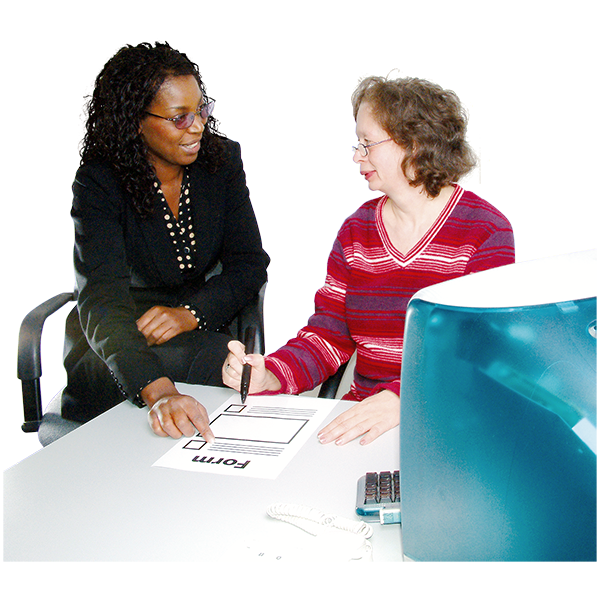 An assessment is a way of finding out what help a person needs. When you have an assessment, you might have to go to a meeting or fill in a form.
.
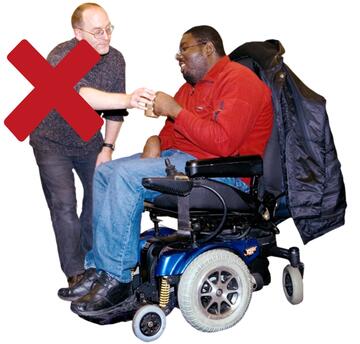
Not everyone gets support.

What to do before the needs assessment:
- Think about what you want to say before the meeting

- Write notes to help you remember things
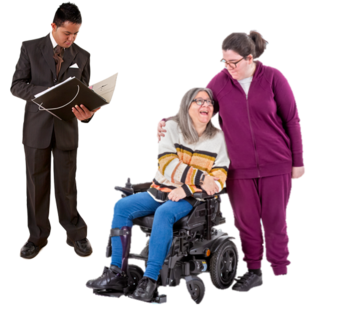
- Have someone with you, like a family member, friend or support worker

The council will check:
- What would happen if you don't have support

- If your support needs show them that you should get help

If the council think you should have support at home or in the community this is called being eligible.
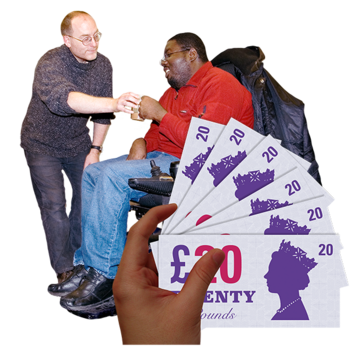
The council will decide if you will need to pay towards the cost of your support at home or in the community.
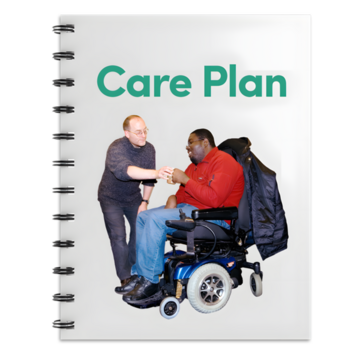
You should hear back from the council in a few weeks.
If you are told you can get support, the council will make a plan for your care.

What to do if the council says you cannot get support and you think that is wrong:
You can ask the council to look at your application again to check their decision.
If you need more help, you can contact the Learning Disability A learning disability is to do with the way someone's brain works. It makes it harder for someone to learn, understand or do things. Helpline by:
- Phone: 0808 808 1111
- Email: [email protected]

This Easy Read Easy Read is a way of making written information easier to understand. Pictures are usually added next to the writing. was first published in July 2025.
Last updated 10/07/2025.