
Homes not Hospitals: The Fight for Freedom exhibition Easy Read walkthrough
A walkthrough Mencap’s Homes not Hospitals: The Fight for Freedom exhibition – Easy Read
This guide takes you through Mencap’s Homes not Hospitals: The Fight for Freedom exhibition.

We have also made a video of the exhibition that you can watch.
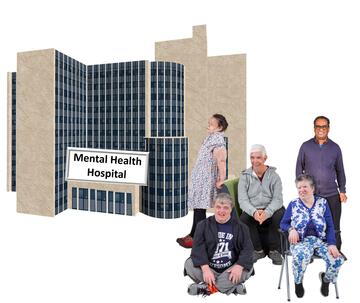
Panel 1: What is the Fight for Freedom exhibition about?
Across the country people with a learning disability A learning disability is to do with the way someone's brain works. It makes it harder for someone to learn, understand or do things. and autistic people are being kept in mental health hospitals for a long time.
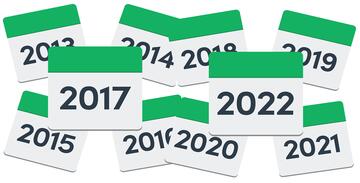
Most of these people are kept in mental health hospitals that are far from home for years, or even decades.
One decade is 10 years.
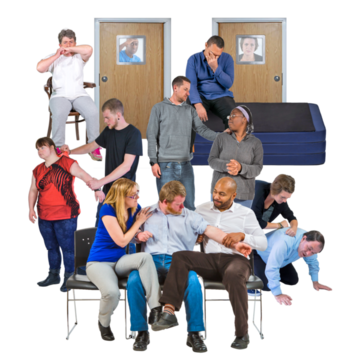
They get taken away from their families and are sometimes:
- given too much medicine
- held down
- abused
- kept on their own.
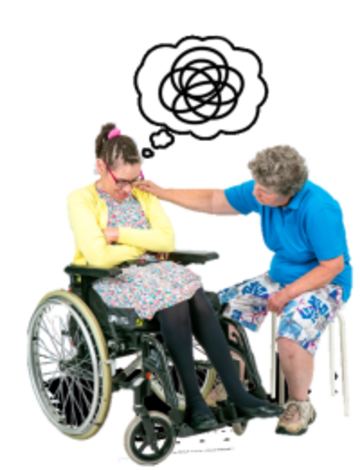
Many people leave these places more upset and confused than they were before they arrived.
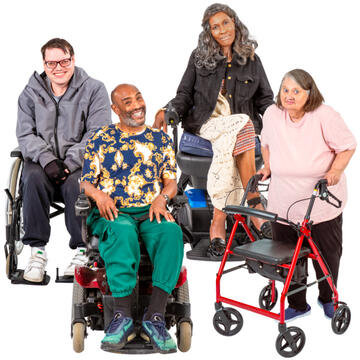
Learning disability and
autism
 Autism is a disability. Autistic people find it difficult to understand what other people think and feel. They also find it difficult to tell people what they think and feel. Everyone with autism is different.
are not mental health conditions.
They are lifelong disabilities and cannot be treated.
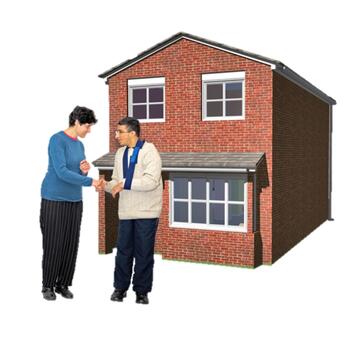
With the right support people can live safely and happily within their communities.

How do people end up in Mental Health Hospitals?
People with a learning disability and autistic people can end up in mental health hospitals not because they need mental health treatment, but because there are problems with the care system.
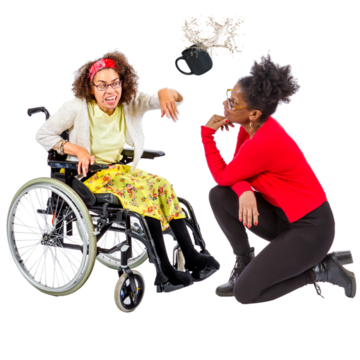
Many people with a learning disability and autism, who can only show if they are upset, in pain or need something through
challenging behaviour
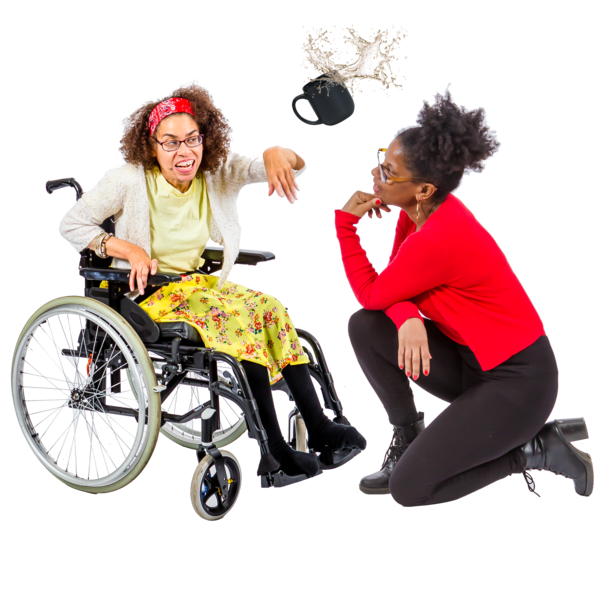 Challenging behaviour can be when someone hurts themselves, hits or pinches someone else, or breaks something. Some people might behave like this because they are upset or because people do not understand them.
, are most at risk of being wrongly detained.
Detained means being kept somewhere.
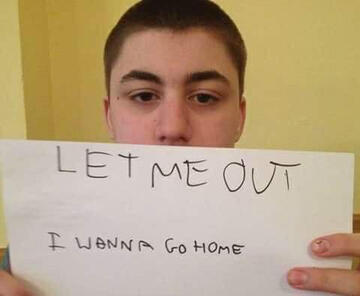
Window 2: Homes not Hospitals - The fight for freedom
This exhibition shares the experiences of people with a learning disability and autistic people who have been detained in mental health hospitals, and the fight of their families to get them out.
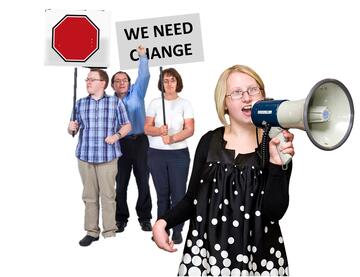
It has been co-produced with families who have campaigned for many years to free their loved ones and others from mental health hospitals and change the system.
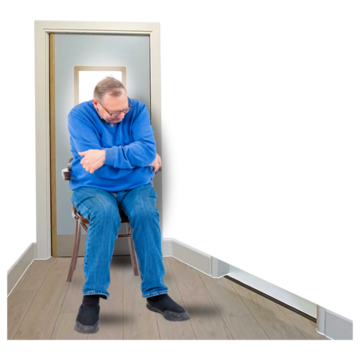
Every person wrongly kept in a mental health hospital is away from their family.
They miss birthdays and making memories with their family.
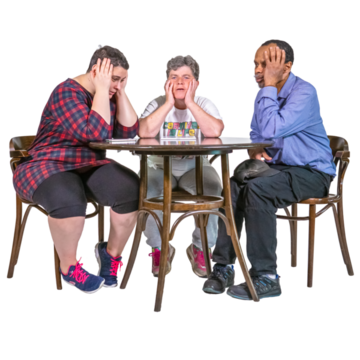
The system causes long lasting upset and worries for people with a learning disability, autistic people, and their families.
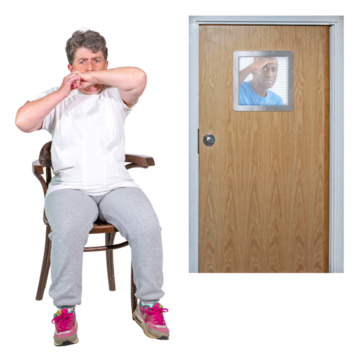
Window 3:
Right now, there are about 2,000 people with a learning disability and autistic people locked away in mental health hospitals.
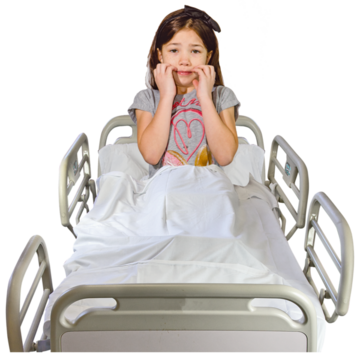
Over 200 of those people are children.

On average, these people stay in mental health hospitals for nearly 5 years.
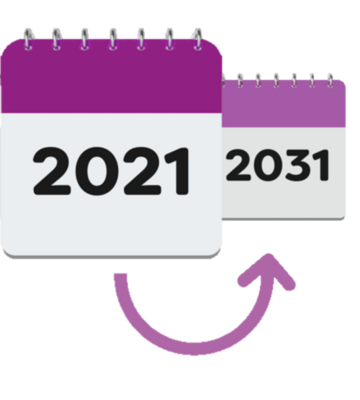
305 people have been kept in a mental health hospital for over 10 years.
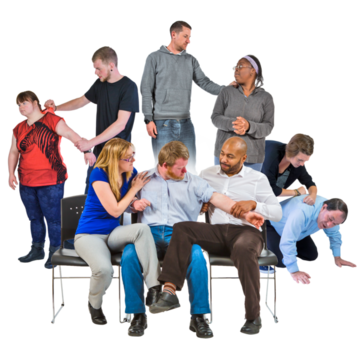
In 2025 people with a learning disability and autistic people in mental health hospitals were restrained over 100,000 times.
Restrained means keeping someone under control or holding them back.
People can be restrained using force, equipment or medicines.
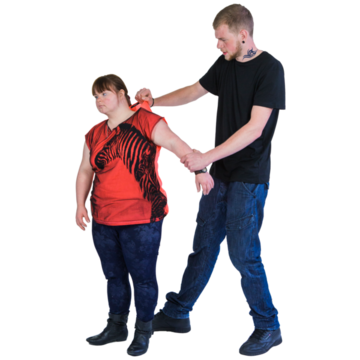
That number includes over 38,000 uses of restraint against children.
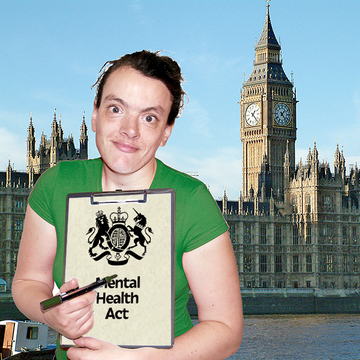
The Mental Health Act allows the detention of people with a learning disability and autistic people even if they don’t have a mental health condition.
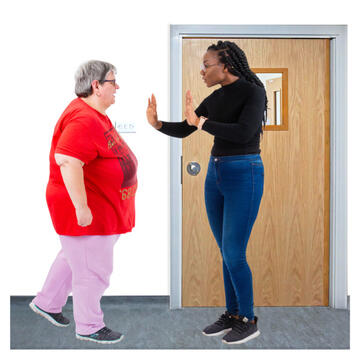
Once someone is put in a mental health hospital it is very difficult to get out.
There is not the right support,
social care
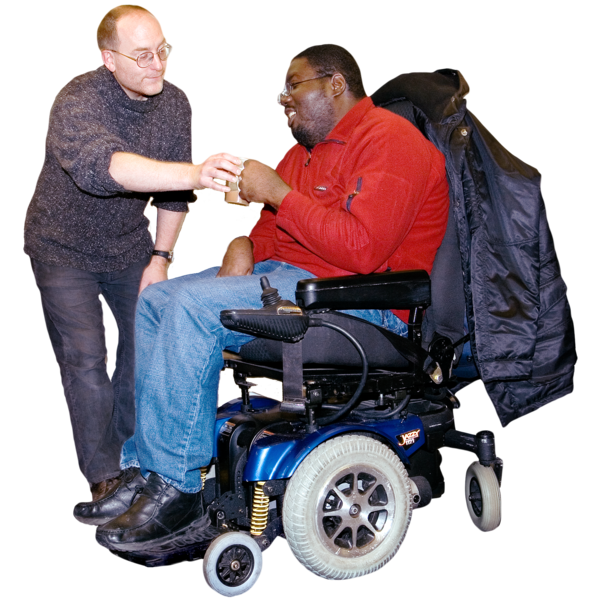 Social care means the services that give care and support to people who need it.
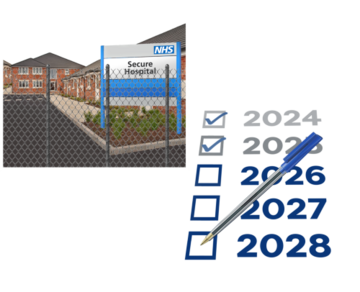
or suitable housing in lots of areas across the county so people can get stuck in mental health hospitals for many years.

When a person is in hospital, their care is paid for by the NHS The NHS is the National Health Service. The NHS gives free healthcare to everyone in the UK and includes things like your GP (doctors) surgery and hospitals. .
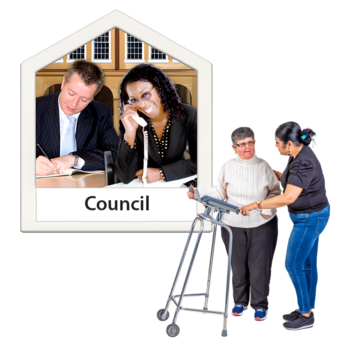
When a person leaves hospital the cost of their future care is usually down to the local
council
 A council is also called a local authority. They are a group of people who make decisions about some of the things in the area where you live. These include: schools, social care (support for people), parks and dustbin collection.
.
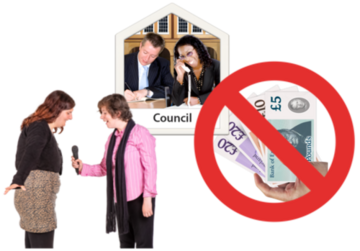
Many families end up going to lawyers and newspapers to push for things to happen as local councils cannot pay for their loved one’s care.

Window 4: A chain of broken promises
In 2011 a BBC Panorama programme showed the abuse of people with a learning disability at Winterbourne View near Bristol.
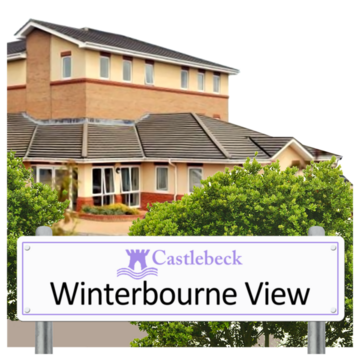
Winterbourne View is an
assessment
 An assessment is a way of finding out what help a person needs. When you have an assessment, you might have to go to a meeting or fill in a form.
and treatment unit which is a type of mental health hospital.
Winterbourne View was later closed.
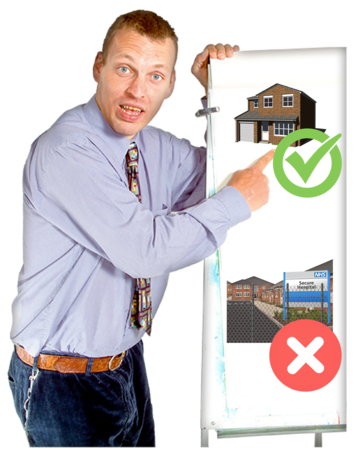
After that programme the Government The Government are the people who run the country. They decide how much tax people should pay for things and how things like the National Health Service should work. said that everyone who shouldn’t be held in hospital would be quickly moved to community A community is the people and places in an area. -based support – no later than 1 June 2024.
That did not happen.
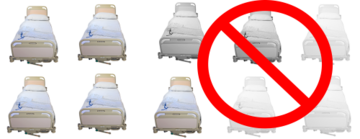
In March 2015 the Government said they would close 35-50% of hospital beds by March 2019.
That did not happen.
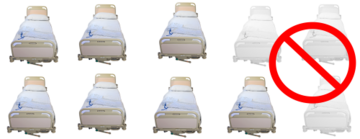
Then the Government said they would meet a 35% closure target by March 2020.
That did not happen.
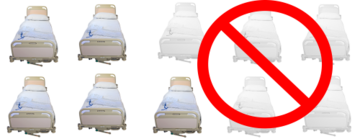
A new promise was made by the Government to meet a 50% closure target by March 2024.
That did not happen.
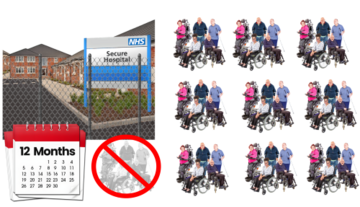
Their latest promise is to reduce the March 2024 number of adults with a learning disability, and the number of autistic adults in metal health hospitals, by 10% each year.

In December 2025 the Government made a new mental health law to end the wrong detention of people with a learning disability and autistic people.
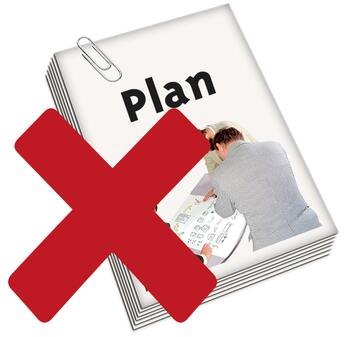
This law will only be switched on when there is the right community support in place but there is no plan or deadline for that to happen.
Map wall
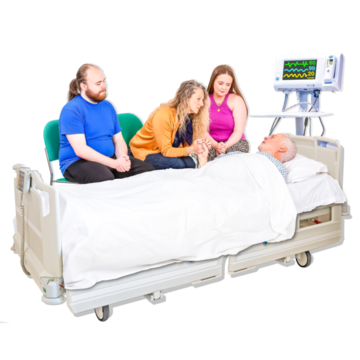
Visiting a loved one in a mental health hospital can be difficult for families.
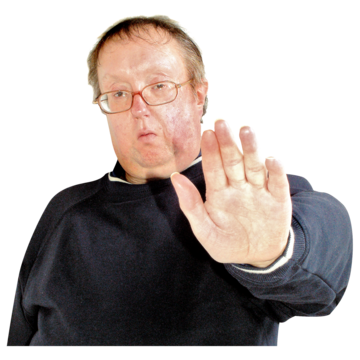
They can be turned away at the door after traveling a long way to get to where their loved one is being held.
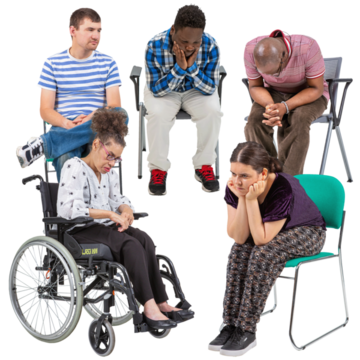
They can become very upset to see how their loved one is being housed.
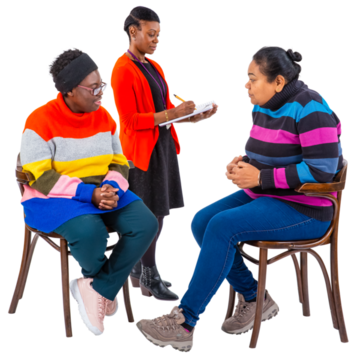
Sometimes family members are not allowed to spend time with their loved one alone and have to have hospital staff there too.
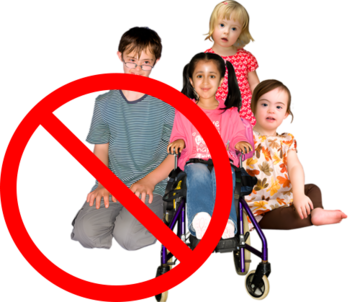
Sometimes sisters and brothers or other family members under the age of 18 are not allowed to visit.
This means families can be separated for a long time.
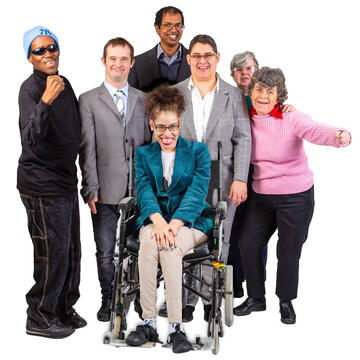
The families behind the Fight for Freedom
The families who helped Mencap make this exhibition, have come together over many years.
Many met after the Winterbourne View TV programme.
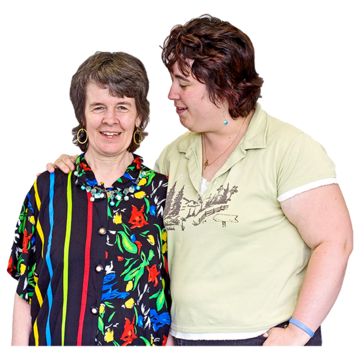
They used to feel alone but now they stand together sharing their stories and supporting each other.
They campaign for change with Mencap and the Challenging Behaviour Foundation – two charities along with many other organisations Organisations are groups like companies and businesses. and campaigners, that are calling for an end to people with learning disabilities and autism being wrongly kept in mental health hospitals.
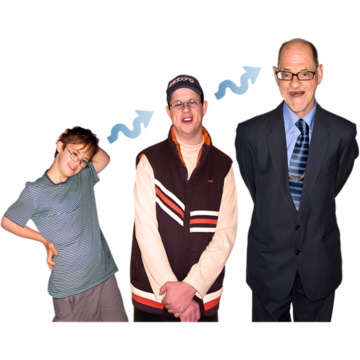
Panel 6: Lifelong consequences
Consequences are the things that happen after something.
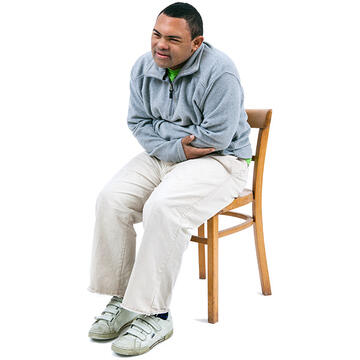
While some people get the treatment they need, others leave mental health hospitals after being abused, injured or in poor health, and very frightened.
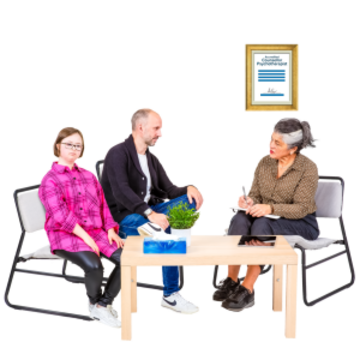
This makes the change from being inside the hospital to moving back into the community more difficult, so they need even more support and care.
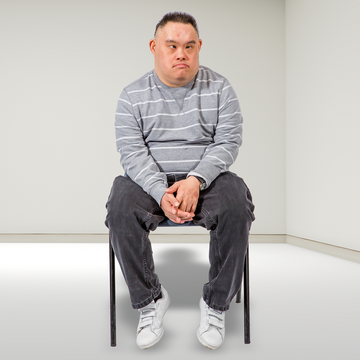
After a while, being in a mental health hospital makes a lot of people lose their confidence and
independence
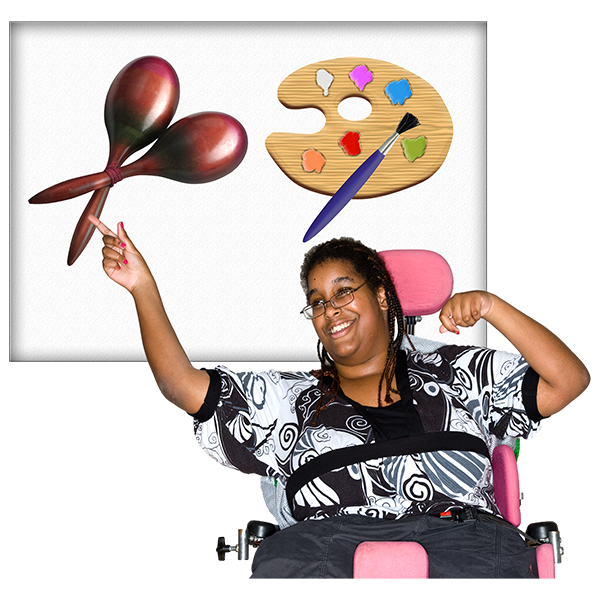 Independence means doing things on your own. Making your own choices.
, which makes going back into the community more difficult.
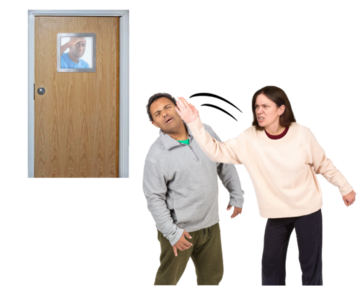
ATU (Acute Treatment Unit) corridor
Panel 7: Brutality behind locked doors
Brutality means very cruel, harsh and violent.
When someone is put in a mental health hospital with a learning disability and autism, their behaviour can change because they are frightened and confused.
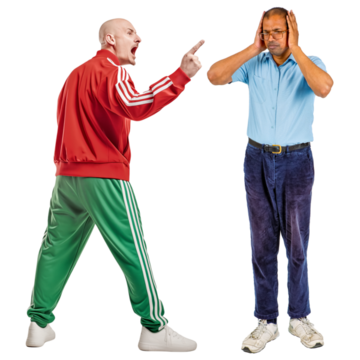
They can become violent and upset.
When that happens, they are more likely to be restrained or given calming medicine instead of being supported.

This leads to more upset and fear which makes people more likely to harm themselves.
Seclusion room area
Seclusion means being kept away from things and alone.
This part of the exhibition shows what a seclusion room looks like.
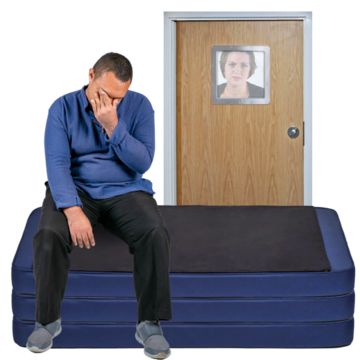
It shows a room with:
- No sheets
- Bare walls
- No one to talk to
- Nothing to do
- A locked door.
People with a learning disability and autistic people can be put in seclusion rooms for weeks at a time.
Seclusion rooms were used 3,735 times in 2025.
The scale of restraint used against children in mental health hospitals in 2025 is very worrying.
There were:
- 640 injections given to calm children down
- Over 38,000 uses of physical restraint on children
- Over 900 uses of chemical restraints on children.
Panel 11 – Join our campaign
With your support, we can fight to end this.
Join us to campaign to bring people home.
Sign up today at https://secure.mencap.org.uk/exhibitionhomesnothospitals
Together we can push for:
• the right support
• the right homes
• an end to people being wrongly locked away.
Panel 13
There is hope. People can be brought home.
They can live their lives to the full.
They can get the care and support they need in their own community.
Families can be reunited.

Mencap would like to thank the families and people with a lived experience who shared their stories to make the exhibition possible.
Without them the exhibition would not have been possible.

Mencap were able to deliver the exhibition thanks to funding from OmazeUK.

Find out more about Homes not Hospitals: The Fight for Freedom at https://www.mencap.org.uk/freedom

This Easy Read Easy Read is a way of making written information easier to understand. Pictures are usually added next to the writing. was first published in March 2026.