Disability History Month Easy Read
Disability History Month

Disability History Month usually runs from 16 November to 16 December.
It is a chance for us to talk about disability history,...
...to celebrate the changes we have made in the UK to be more inclusive of people with disabilities,...

...and to talk about what more we can do (and then do it!).
Disability History Month has been celebrated in the UK every year since 2010.
Each year, there is a theme for the month.
Theme is a ‘thing’ we will be talking about that is to do with disability history.
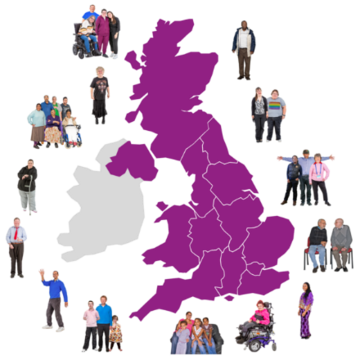
Let’s talk a bit about disability history in the UK.

Some things about disability history can be upsetting.
But we think it is important to know about disability history so we don’t make the same mistakes again.
People with disabilities haven’t always been treated very well by society.
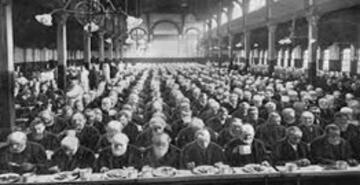
In the 1800s, many people with disabilities lived in ‘workhouses’.
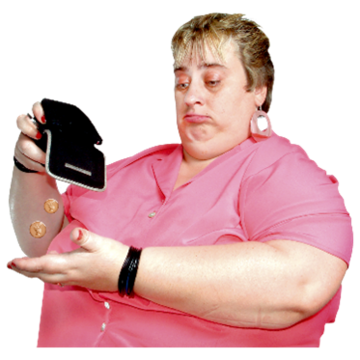
Workhouses were places for people who did not have enough money to support themselves.
They lived and worked there.

In the early 1900s, a woman called Mary Dendy set up homes for people with disabilities.

These homes were away from the rest of the world.
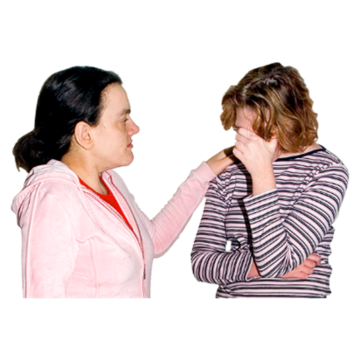
Sometimes, parents had to give their children up because they had to earn money in a job.
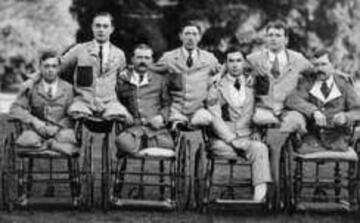
After World War 2, many people who fought in the war returned home with disabilities.
Over 300,000 people returned home with disabilities.
This started to change people’s minds about disability.
The NHS The NHS is the National Health Service. The NHS gives free healthcare to everyone in the UK and includes things like your GP (doctors) surgery and hospitals. was set up, partly because many more people needed medical treatment.
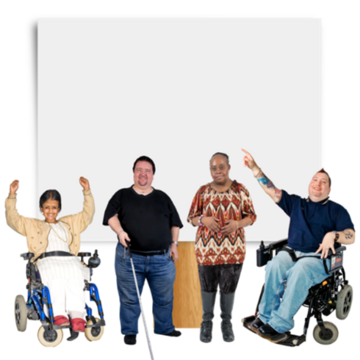
The effects of World War 2 started to change people’s minds about disability.
Other things which happened also helped make people feel more positive about people with disabilities.
In 1946, Judy Fryd, a mother of a child with a
learning disability
A learning disability is to do with the way someone's brain works. It makes it harder for someone to learn, understand or do things.
, formed the
organisation
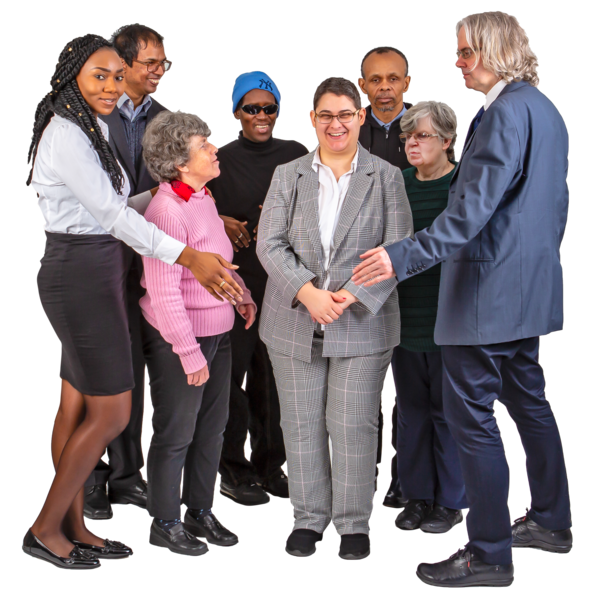 An organisation are a group of people who work together.
that would later become Mencap.
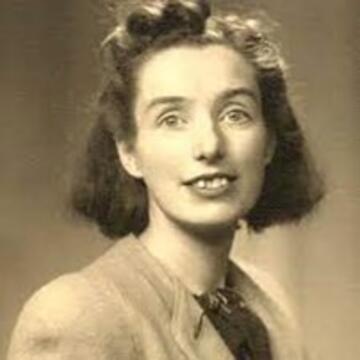
Judy wrote to Nursery World magazine and asked for similar parents to contact her.
Many parents wrote back, replying about the lack of services for their children.
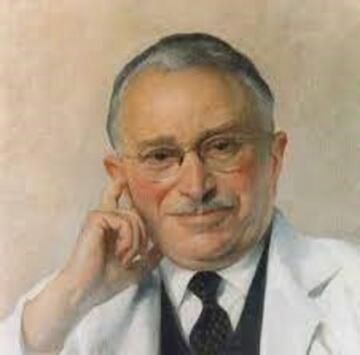
In the late 1940s, a Jewish doctor called Doctor Ludwig Guttman opened a hospital for people with injuries to their backs.
These injuries are called ‘spinal cord injuries’.
Spinal cord injuries mean people cannot walk.
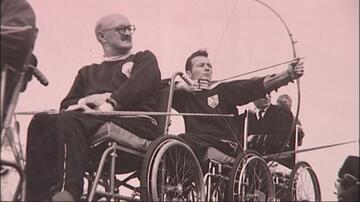
Doctor Ludwig wanted to give his patients the chance to compete in sports.
He helped them train.
He believed it would help their physical and mental wellbeing.
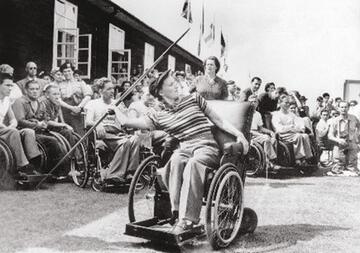
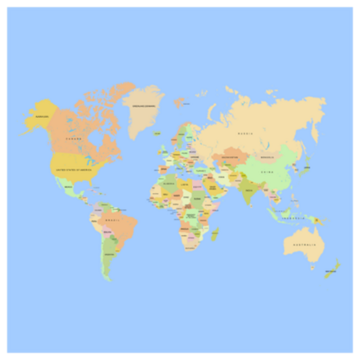
Doctor Ludwig’s work led to the first Paralympic Games in Rome, Italy, in 1960.
People with disabilities competed against each other for the first time.
They came from lots of different countries.
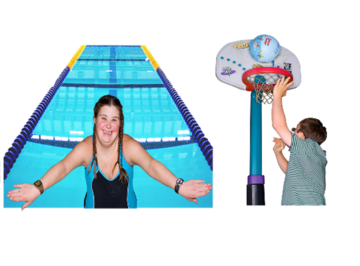
They did sports like archery, swimming and basketball.

There are now more than 5,000 para-athletes around the world.
Para-athletes are people who are disabled athletes.
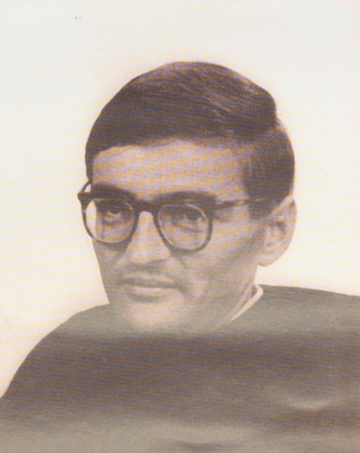
In 1972, a man called Paul Hunt wrote a letter to a newspaper.
Paul is a wheelchair user.
Paul’s letter was about making a group for disabled people.
Lots of people got in touch with Paul.
They wanted to make the UK a more
accessible
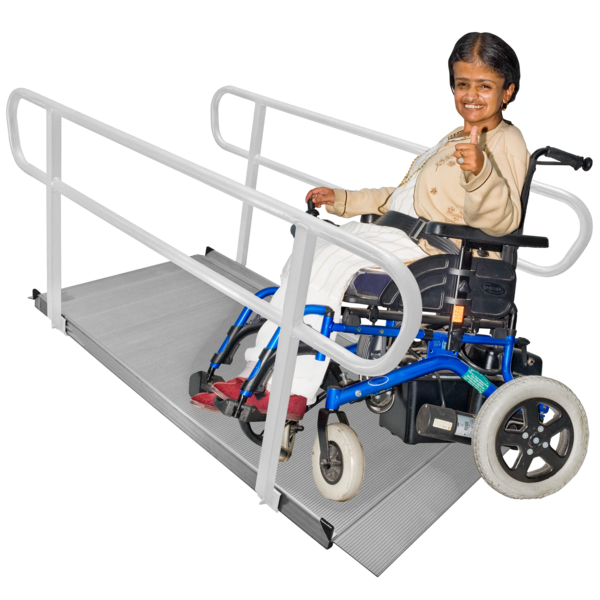 Accessible means something is easy for people to use or join in with. For example: Accessible writing means the writing is easy to read and understand.
place.
At this time, people were talking more about the world and society being the problem for disabled people and not things to do with their bodies.
This is called the Social Model of Disability.

Disabled people started protesting.
They were protesting for their rights Rights are the things everyone should be allowed to do like have a say, or go to school. .
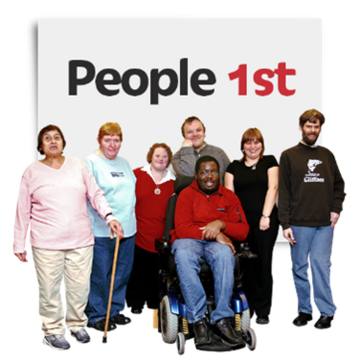
The rights they were protesting for were about access and making things accessible.
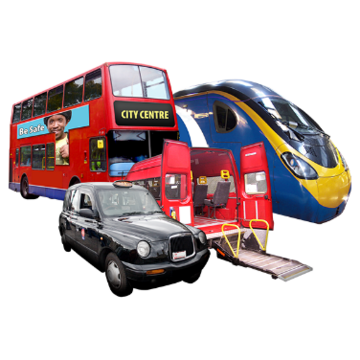
This included things like public transport, restaurants and bars.
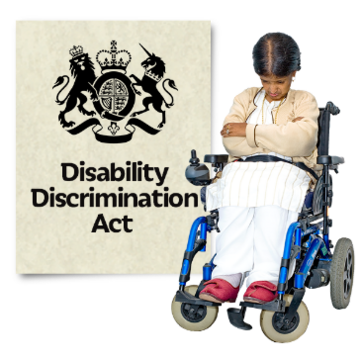
After years of protests, the Disability
Discrimination
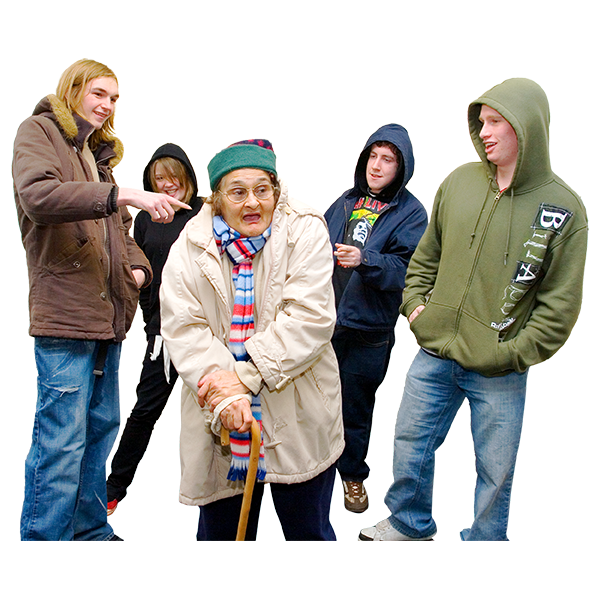 Discrimination is when someone is treated differently (usually in a bad way) because of things like their disability or their religion.
Act was launched in 1995.
The Disability Discrimination Act was a
law
 Laws are the rules that everyone in the country has to follow. If you don't follow the rules you can get in trouble with the police.
that said disabled people could not be discriminated against in public services and
employment
 Employment means having a job.
.
It is now part of the
Equality
 Equality is when everyone is treated fairly.
Act in the UK, but it still exists on its own in Northern Ireland.
Disability in the UK today
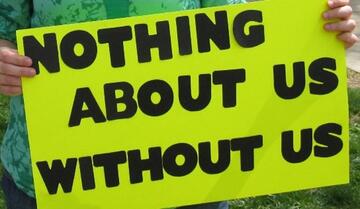
There is a popular saying in the disability rights movement: “Nothing about us without us”.

Nothing about us without us means that all decisions about disabled people’s rights should be made by and with disabled people.
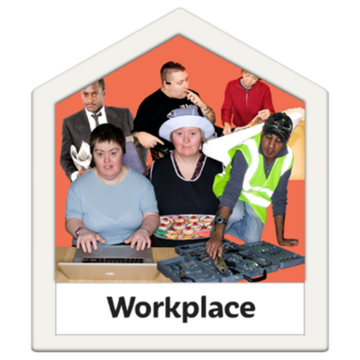
You will find disabled people involved Involved is being included in something or taking part in something. in all areas of life, in many different types of jobs…

…on television and in the media,…
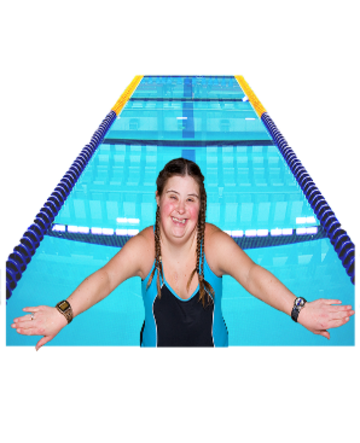
…and in sport,…

...all living fulfilling lives.
We want the UK to be the best place in the world for people with a learning disability.