
 Hannah Nicholls-Harrison
For years, people with a learning disability A learning disability is to do with the way someone's brain works. It makes it harder for someone to learn, understand or do things. have told us that the benefits system doesn’t work for them. The assessments are often confusing, distressing, and unfair, largely because assessors don’t understand what a learning disability really is.
Through our helpline, campaign A campaign is when people work together to try to change something. stories, and research Research is a way of finding out information which could come from books, or asking people what they think. , we kept hearing the same message: assessments cause anxiety, fear, and unfair outcomes. Too often, people with a learning disability are being misunderstood, and those misunderstandings could cost them everything.
“DWP assessments give me so much anxiety. I can’t sleep before... I have anxiety and the assessments are very stressful for me. If I say one wrong thing, if they misunderstand me, I lose my money. Money I need for my family and food and life."
“I remember I had to do a face-to-face assessment... I was nervous and anxious – I didn’t know what to expect. In the meeting, I was trying to say the right things. But I struggle in day-to-day life. My words get mixed up sometimes. Especially if I’m anxious.”
Your win: Mandatory training for DWP assessors
We challenged
the Department for Work and Pensions
The Department for Work and Pensions is sometimes called the DWP. It is part of the government and manages payments and benefits like Universal Credit, Personal Independence Payment, Employment and Support Allowance, and Income Support.
(DWP) to act. For 18 months, we pushed them to introduce the Oliver McGowan Mandatory Training on learning disability for all of their assessors.
These are the professionals who make decisions about benefit entitlements like PIP - not Jobcentre staff or work coaches.
Now, we’re proud to share a significant win: DWP has agreed to roll out Tier 1 Oliver McGowan Mandatory Training to all 4,000 of their assessors.
Training began in July and finished at the end of September 2025.
This wouldn’t have happened without the voices of people with a learning disability and their families.
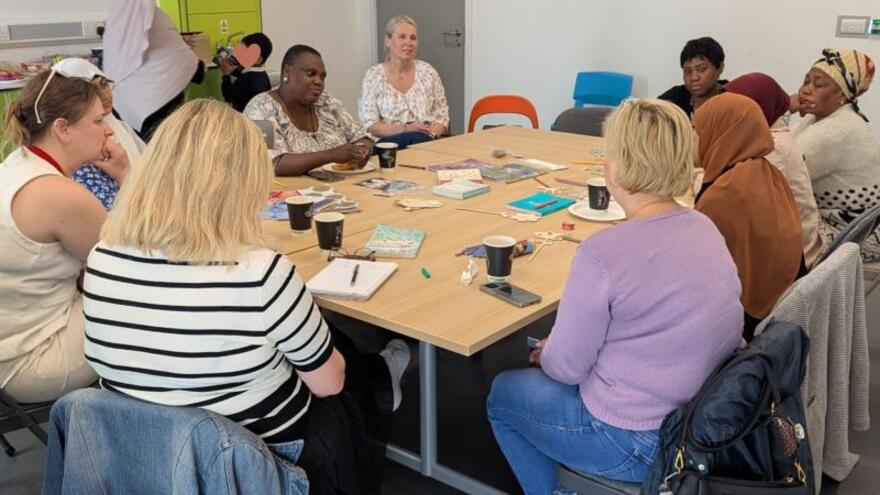

What’s next: Real understanding at every Jobcentre
While this is an important step forward, we know that online training alone won’t fix the system.
That’s why our next goal is even more ambitious: we want more in depth training (known as tier 2 training), delivered by people with a learning disability, to be provided to at least one staff member in every Jobcentre across the UK.
When someone with a learning disability walks into a Jobcentre, there should be at least one person who truly gets it and can offer the right support from the start.
Additionally, Easy Read Easy Read is a way of making written information easier to understand. Pictures are usually added next to the writing. has been officially added to the standard alternative formats listed on DWP clerical letter templates, alongside Braille, large print, and translations. By March, this will roll out across all clerical letters and around 10,000 products.
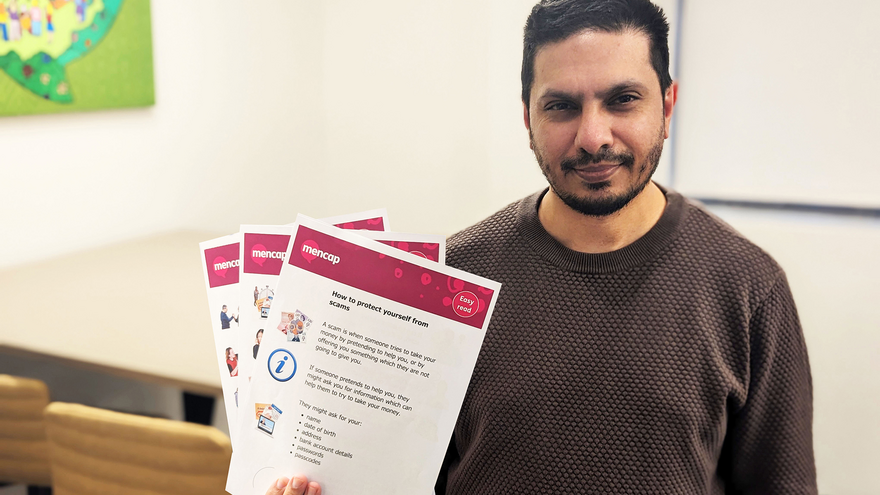
While some complex products may be excluded where Easy Read isn’t suitable (assessed case by case), production is already underway. 300 products are currently available, with Easy Reads being developed first for the most commonly used materials and others created on request.
A major step forward for accessibility and inclusion.
This win shows what’s possible when people with a learning disability and their families speak out and demand better. But we know there’s more to do.
Your stories and your support made this breakthrough possible. Now, we need your voice again.
Share your
experience
Experience is when you have learned or tried something before.
- tell us what needs to change next as
Policy Shaper
 Policy Shapers are a group of people with a learning disability and their families who help Mencap by answering surveys each month. The surveys help Mencap tell decision makers what life is like for people with a learning disability.
.
Sign up to be a Policy Shaper
If you would like to become a Policy Shaper to make a difference.