
 By Mencap
The report shares what the review has heard so far from disabled people, charities, experts and other organisations Organisations are groups like companies and businesses. . It does not make any final recommendations, but it gives an early picture of what disabled people think is working and what is not working.
We've heard from lots of people with a learning disability A learning disability is to do with the way someone's brain works. It makes it harder for someone to learn, understand or do things. , including our Voices Council to feed into the review.
What is the Timms Review?
The Timms Review is an independent review of
Personal Independence Payment
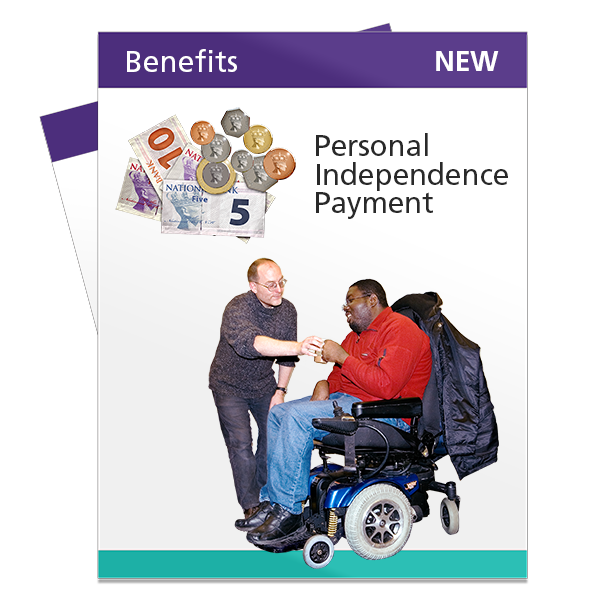 Personal Independence Payment (PIP) is the name of a benefit that some people with a disability or health condition get. The money is to pay for extra help you might need to look after yourself and to get around. Some people who used to get Disability Living Allowance (DLA) now get PIP instead.
(PIP).
PIP is a benefit that helps with the extra costs of living with a disability or long-term health condition. You can receive PIP whether you are working or not.
The review is named after Sir Stephen Timms MP, the Minister for Social Security and Disability, who is one of three co-chairs leading the review. The review is also being led by Dr Clenton Farquharson CBE and Sharon Brennan.
The review was launched after the Government The Government are the people who run the country. They decide how much tax people should pay for things and how things like the National Health Service should work. decided not to go ahead with previous plans to make it harder for some people to qualify for PIP.
Importantly, the review is being co-produced with disabled people. This means disabled people are helping to shape the review and its recommendations. It is the first time the UK Government has committed to co-production on this scale.
What is the first report?
Published on 9 July 2026, this is the first of two reports from the Timms Review.
It does not contain any final recommendations. Instead, it explains what evidence has been gathered so far and what disabled people, charities, experts and other stakeholders have told the review.
The report's main message is that while PIP is an important and valued benefit, the current system is no longer fit for purpose.
Disabled people told the review that PIP does not always reflect the true extra costs of living with a disability.
Many felt the benefit does not fully take account of the financial Financial means anything that is to do with money. It is used to describe how people, businesses, or governments get money and how they use it challenges disabled people face in everyday life.
The report found concerns about whether the PIP
assessment
 An assessment is a way of finding out what help a person needs. When you have an assessment, you might have to go to a meeting or fill in a form.
process is fair and consistent.
People said they often face more paperwork and administration than other claimants. They also reported receiving different outcomes in similar situations because eligibility rules can be interpreted differently.
Respondents also said assessors do not always have enough knowledge Knowledge is knowing a lot about something. of less visible conditions, which can make the assessment process feel unfair and inconsistent.
The review is looking at whether PIP assessments, focus too much on what people cannot do, rely too heavily on personal judgement and do not fully reflect the support people need in everyday life.
Around 90% of responses described claiming PIP as a negative experience Experience is when you have learned or tried something before. .
Disabled people said the process can be complicated, stressful and difficult to access.
Many people said application forms are too long and difficult to complete. Others felt assessments did not reflect the reality of their day-to-day lives.
The report also highlights concerns about reassessments, particularly when a person's condition is unlikely to change.
The review is now considering how the experience people have when claiming PIP, could be improved through better assessor training, changes to assessments and improvements to reviews and appeals.
The report also looks at wider changes that are putting pressure on the PIP system.
These include rising numbers of disabled people claiming PIP, the cost of living crisis and changes in the workplace.
The review is also considering planned changes to the benefits system, including the removal of the Work Capability Assessment. If this happens, PIP could become the main gateway to health-related and disability benefits. The review is exploring how the system could meet growing demand and changing needs in the future.
What does Mencap think?
We're pleased to see the review's commitment to co-production with disabled people. Their lived experience is invaluable and should be at the centre of decisions that affect their lives.
We agree that PIP is a vital benefit, but that the current system is not working.
The experiences Mencap heard from people with a learning disability while contributing to the review reflected many of the findings highlighted in this first report.
We're particularly pleased the report recognises that people with a learning disability often face more barriers when claiming PIP and many people question the need for reassessments where there is no real reason that a person's condition will change.
However, we want to know more about:
- what future PIP assessments will look like
- why the review believes PIP can create barriers to work, social activities and community A community is the people and places in an area. life
- how they think the experience of claiming PIP can be improved.
As the review works on what it thinks the government should do to make PIP better, we urge the review team to focus on changes that genuinely improve the lives of people with a learning disability.
What does Mencap want the review to recommend?
We spoke to people with a learning disability and their families about how PIP could work better.
Among our key asks are:
Stop unnecessary reassessments
A learning disability is lifelong. People should not have to go through repeated reassessments when there is no reason to expect their condition to change.
Improve assessments
People with a learning disability should be able to explain the support they need in their daily lives.
This means improving the questions PIP assessors ask disabled people, so they better reflect the support needs of people with a learning disability and making sure the reliability criteria are applied consistently and fairly.
Improve the claimant experience
The review should learn from Scotland's Adult Disability Payment (ADP) system and address poor PIP decision-making; too many are inaccurate.
Better decisions would reduce stress, improve trust in the system and reduce the need for appeals.
What happens next?
The review steering group will continue gathering evidence through workshops and events, both online and in person, across the country.
This feedback will help shape the final recommendations, which are expected in autumn 2026. The final decision will lie with the Secretary of State for Work and Pensions and the government, who will decide what changes, should be made to PIP.

For people with a learning disability and their families, the next few months will be important. Mencap will continue working to make sure their voices are heard and that any future changes create a fairer and more
accessible
 Accessible means something is easy for people to use or join in with. For example: Accessible writing means the writing is easy to read and understand.
benefits system that helps people live the lives they choose.