
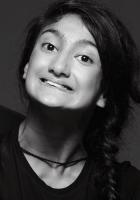
 Rahima Begum
On Wednesday 29 July 2026, Rahima attended
Prime Minister
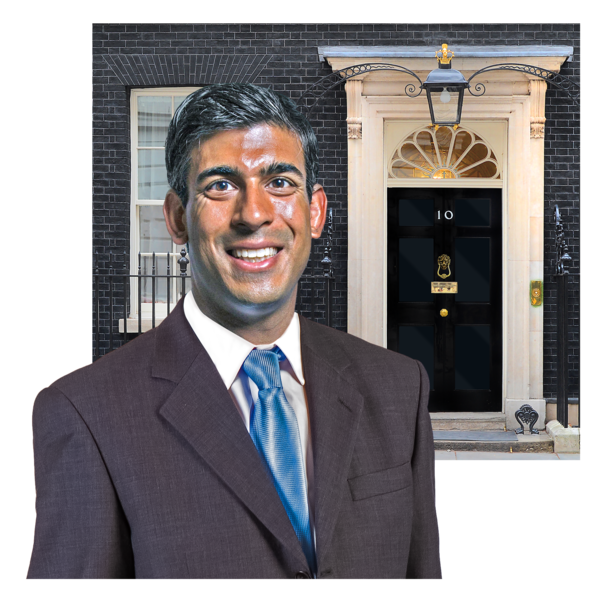 The Prime Minister is the leader of the government.
Andy Burnham's first major speech on
social care
The Prime Minister is the leader of the government.
Andy Burnham's first major speech on
social care
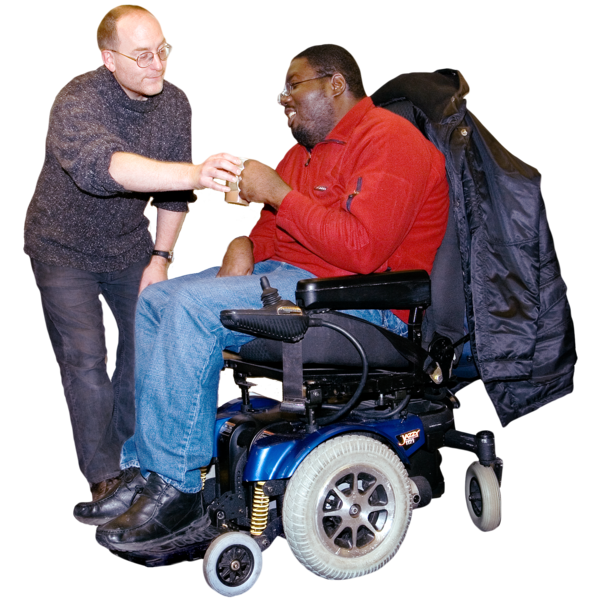 Social care means the services that give care and support to people who need it.
.
Social care means the services that give care and support to people who need it.
.
Social care affects millions of people, including people with a learning disability A learning disability is to do with the way someone's brain works. It makes it harder for someone to learn, understand or do things. , their families, and carers. So, it was an important moment for the new Prime Minister to set out their plans.
Rahima went along to hear what was announced, and to share what it felt like to be there in person.
What was announced?
The Prime Minister spoke about several ideas for changing social care in the future:
- A National Care
Service
A service gives people what they need, like healthcare services that help people when they are ill, and support services that give people support.
A new system, designed to work more like the NHS The NHS is the National Health Service. The NHS gives free healthcare to everyone in the UK and includes things like your GP (doctors) surgery and hospitals. . More details are expected about how this would work and how it would be funded. - Baroness Casey’s review
Baroness Louise Casey is leading an independent review of adult social care. She will listen to people with lived experience Experience is when you have learned or tried something before. and experts and will make recommendations to the government The Government are the people who run the country. They decide how much tax people should pay for things and how things like the National Health Service should work. . This review has been brought forward to 2027 instead of 2028. - The Big Conversation on Care
A chance for people who use social care, carers, organisations Organisations are groups like companies and businesses. and the public to share their views. - Cross-party talks
The Prime Minister said he will work with different political parties to shape future plans for social care. - Support for care workers
A focus on better pay, training and recognition for carers.
Rahima’s experience
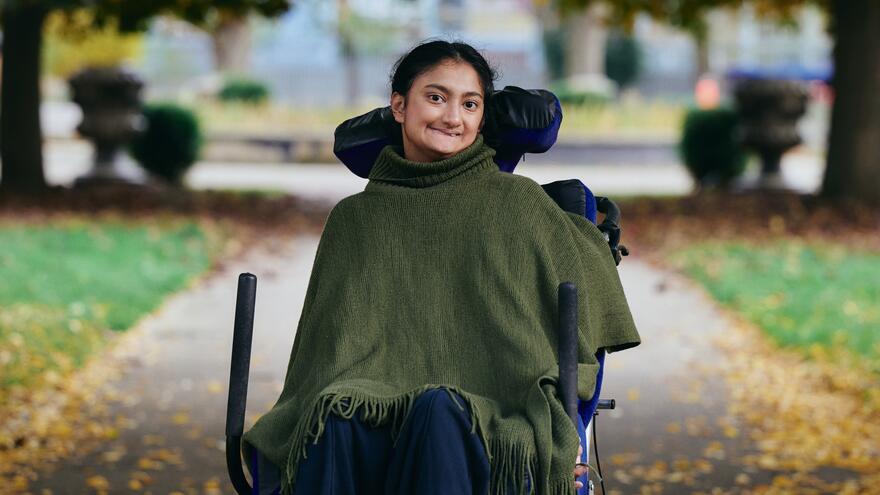
Rahima has a mild learning disability and cerebral palsy. She is supported by her mum, who is her main carer, as well as her wider family.
At the event, Rahima met the Prime Minister. She described the experience as:
Exciting, but I was also anxious. He’s new, so I’m not sure what he has planned, what will change, and if it will change for good.
What the speech meant to Rahima
For Rahima, it mattered that social care was being talked about so early on. She said:
“It makes me feel good that he took the time to address the issue as he is new, rather than ignore it. This shows that he can see us and we’re not lost in the crowd.”
What needs to improve?
Rahima already uses social care support, and she shared what she finds most challenging about the current system:
The worst part is the lack of respect Respect means showing someone you think about someone's feelings, wishes or rights. and the ‘one brush paints all’ approach. Not all disabilities are the same.
Her personal experience shows how important it is for services to recognise people as individuals.
What should social care look like?
Rahima was clear about what a better system would look like:
Respect and inclusion but also making things work around us.
Social care must be necessary, not something that feels optional to fix. The quality needs to be good — not just something we have to make do with.
Looking ahead
Rahima’s experience is a reminder that real change in social care must be shaped by the people who use it.
As plans develop, it’s vital that people with a learning disability are listened to, and that their voices help shape what comes next.
Because social care isn’t just a system. It’s about people’s lives.