

 Edel Harris
The Budget
 The Budget is the plan the government has for what it will spend money on and how it will raise money to pay for the spending. The Budget tells us if there will be any changes to how much people pay for things.
and Spending Review yesterday was painted by the Chancellor as a plan for a ‘new age of optimism’. But what strikes me most, but not unexpectedly, is the failure to ‘level up’
social care
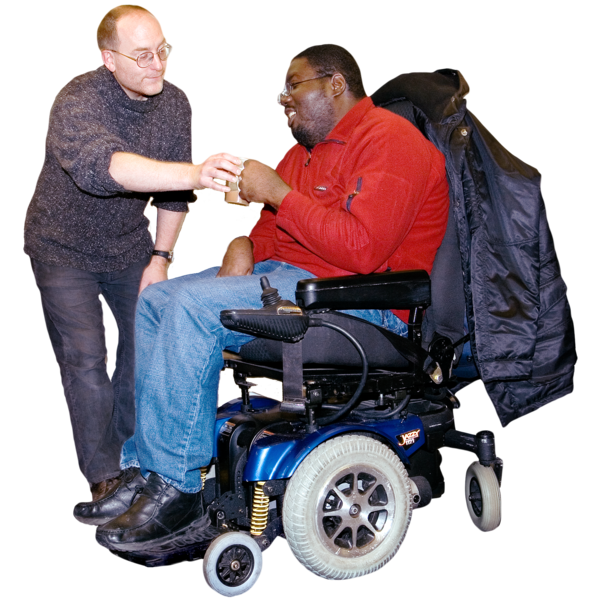 Social care means the services that give care and support to people who need it.
by providing the funding that the sector so desperately needs now.
The planned reforms are welcome but until we see the sector properly invested in, little is going to change.
Social care is the poor cousin of the
NHS
The NHS is the National Health Service. The NHS gives free healthcare to everyone in the UK and includes things like your GP (doctors) surgery and hospitals.
, treated as an afterthought, with funding in past years being relegated to one off grants and
Council Tax
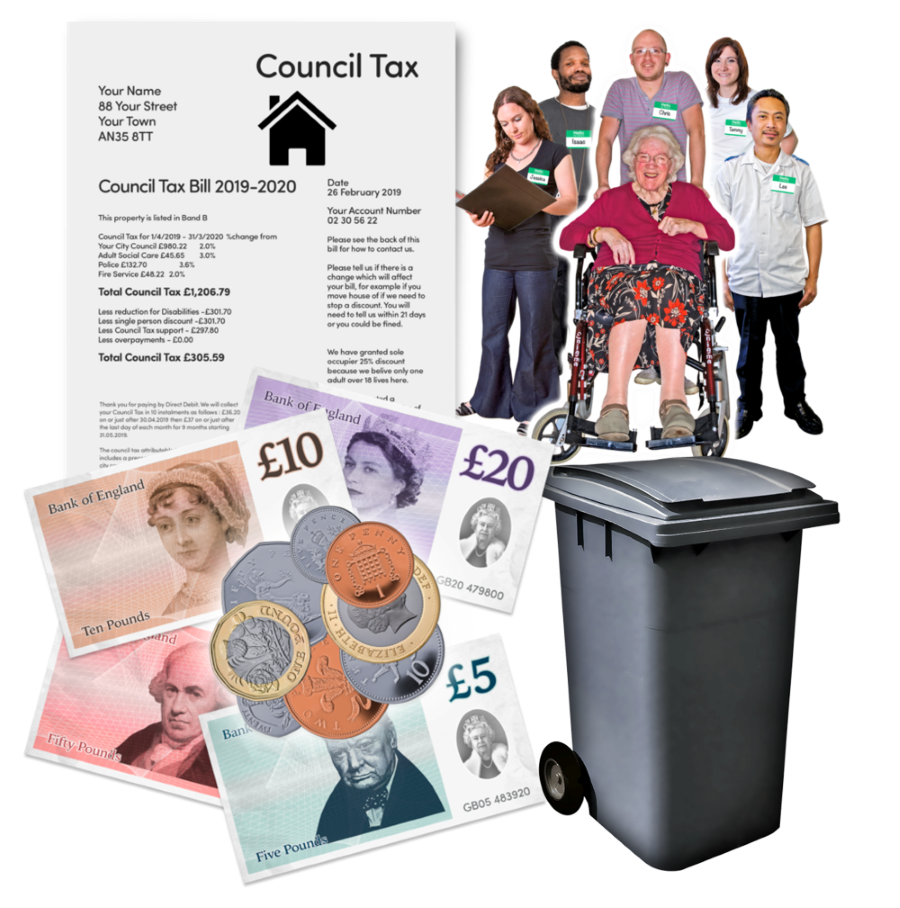 Council Tax is the money that people pay to the council. It helps to pay for things like social care (support for people), parks and dustbin collection.
increases. The announcement of an increase to grant funding to
local authorities
A local authority is another name for your local council. It is a group of people whose job is to look after the area where you live. Local authorities means more than one local authority.
is welcome, but the money has not been ring-fenced to fund social care and this leaves local authorities facing incredibly tough decisions about where to allocate funding. There are thousands of people across the country waiting for their care needs to be assessed. Maybe it’s time to start publishing waiting list statistics as we do with the NHS.
I had hoped that this pattern had begun to shift with the announcement of £5.4bn over three years to be generated from the Health and Social Care levy. It is a large number but without context it is meaningless. For example, over half of the funds pledged will go towards funding the implications of the new cap and making the way care is funded fairer for those who currently contribute towards the costs of their care and support. The cap has little if no effect on people with a learning disability A learning disability is to do with the way someone's brain works. It makes it harder for someone to learn, understand or do things. . It will do little to address the un-met need as a result of the reductions in care we have seen during the pandemic or prepare the sector for a rising demand for care, or stop people with a learning disability receiving large bills to pay for their care and support costs which were once funded by the state.
The picture becomes even more stark when you start to compare the £5.4bn to the amount that is needed right now – today. A Health Foundation recent report estimates that to meet future demand, improve access to care, and increase workforce pay, the sector would need £7.1bn in 2021/22. Combining the money raised by the levy and the announcement from the Treasury the funding for local authorities will amount to £3.4bn for 2021/22, far short of the funding needed.
Discussing funding and talking about the ‘sector’ can seem abstract. We must remember that at the heart of any social care system there are real people, doing their best to live rich and fulfilling lives despite their disability or life-long condition. They are the reason I’m so disappointed in the
Budget
 A budget is a plan where you look at how much money you have and how you will spend it.
and Spending Review.
I hope that as we move forward with discussions on reform with the UK Government, and alongside people with a learning disability and their families, we can get to a place where the provision of social care is valued equally with the work of the NHS. Reforming the system cannot take place without a conversation with those who require care and support. ‘Fixing social care’ is increasingly becoming just another government sound bite – please don’t let that happen.