
A guide to local government
A guide to local government
This guide will help you find out who to speak to in your local government authority.
Most people like to call their local government authority their local council.
What’s in this guide?
- What is local government?
- How is local government organised?
- How do councils work?
- How does local government work with people where they live?
- How to challenge a decision?
1. What is local government?
Local government is in charge of lots of services for people and businesses in their area.

Services are things like housing, schools, waste collection and
social care
 Social care means the services that give care and support to people who need it.
.
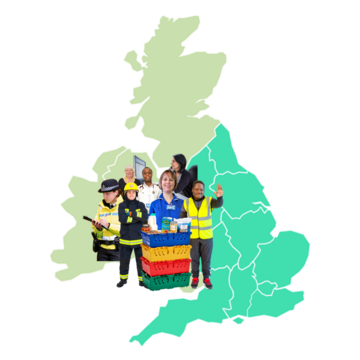
In England, more than one million people work in local government.
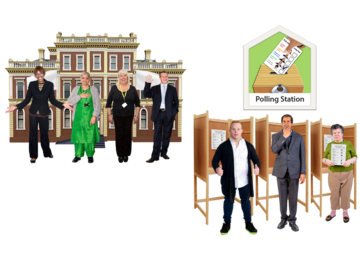
Local councils are made up of
councillors
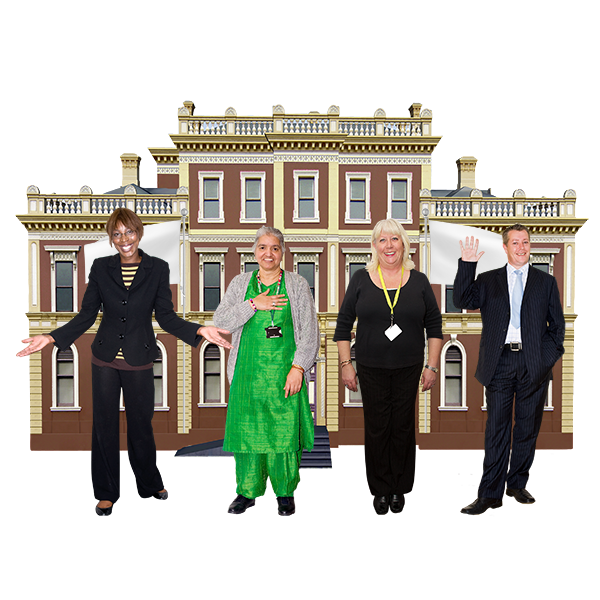 Councillors are the people who work for the council. They make important decisions about the area where you live.
who are elected by local people in local elections.

Councillors work with local people and others to agree and deliver services.
2. How is local government organised?
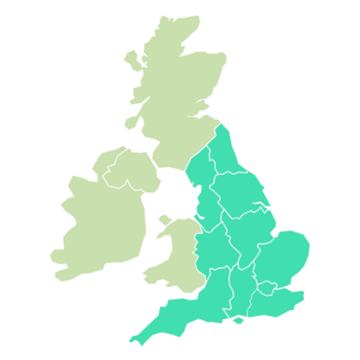
Local government is different in each area of the country.
There are different types of local government in England:
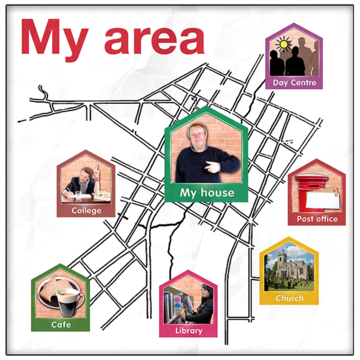
County Councils provide most of the services in their area.
District Councils cover a smaller area and may provide more local services like housing and planning.
Unitary Authorities (like London Boroughs) provide all the services in a certain Certain means you are sure about something. area.
Metropolitan districts are also unitary authorities and can be called Metropolitan Boroughs or City Councils.
3. How do councils work?
Councillors are elected every four years to speak up for local people.

Councillors represent an area called a ward or a district.
Councillors are
involved
Involved is being included in something or taking part in something.
in decision making and attend different meetings.

Councillors are community A community is the people and places in an area. leaders and work with others to help the local community.

Council officers and staff work for the council and carry out duties on their behalf.
4. How does local government work with people where they live?
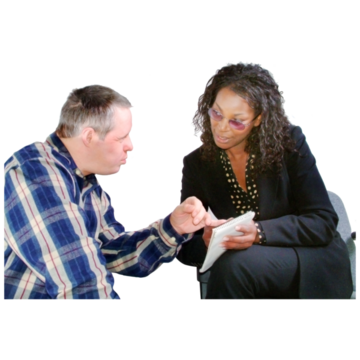
Elected councillors will speak to voters about their plans for the coming year.

Councillors attend different meetings in their communities to listen to local people and offer support.
Ward/District meetings are held for people to share concerns with their local councillors.
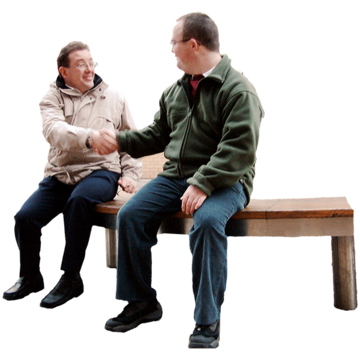
Council officers are there to also help local people with any issues they want to talk about.

Councillors, officers and staff may ask you questions to find out what you think.

5. How to challenge a decision
Sometimes things are decided that you may not feel happy about.
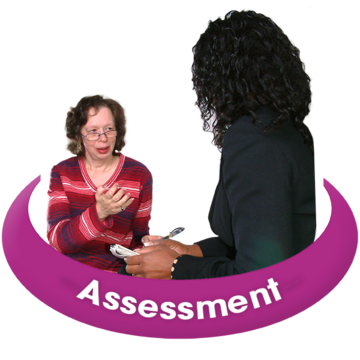
This may include the results of an
assessment
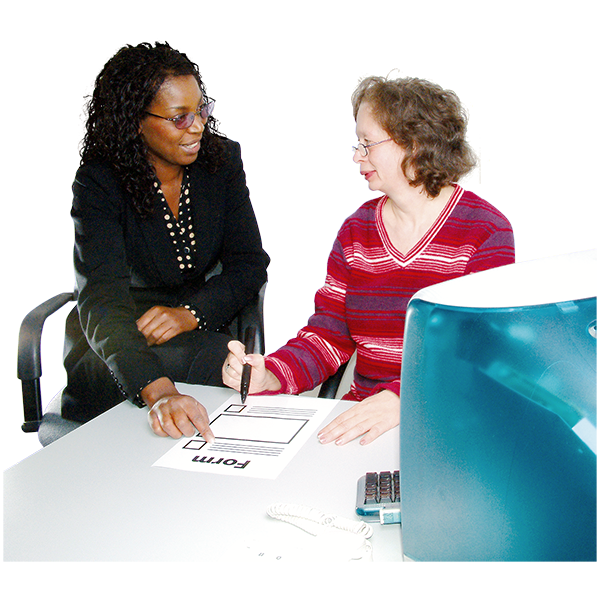 An assessment is a way of finding out what help a person needs. When you have an assessment, you might have to go to a meeting or fill in a form.
or care plan.
You may feel that you are not getting the right support.

Something may be happening in your area that you feel is not good for you.
You can challenge decisions made by the council.
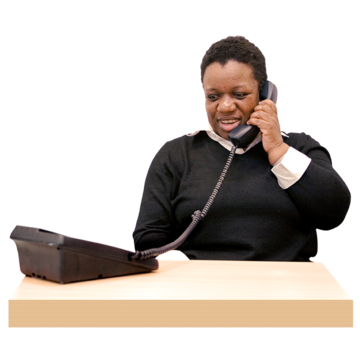
If you are not happy you can contact your local councillor and ask them to support you through the process.

What if you are still not happy about a decision?
Sometimes you may need to take your challenge further.
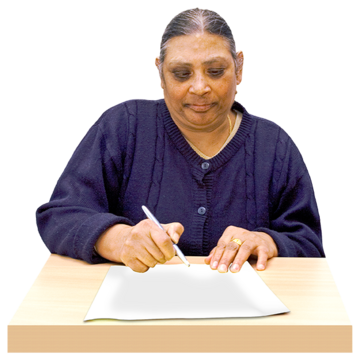
You can
complain
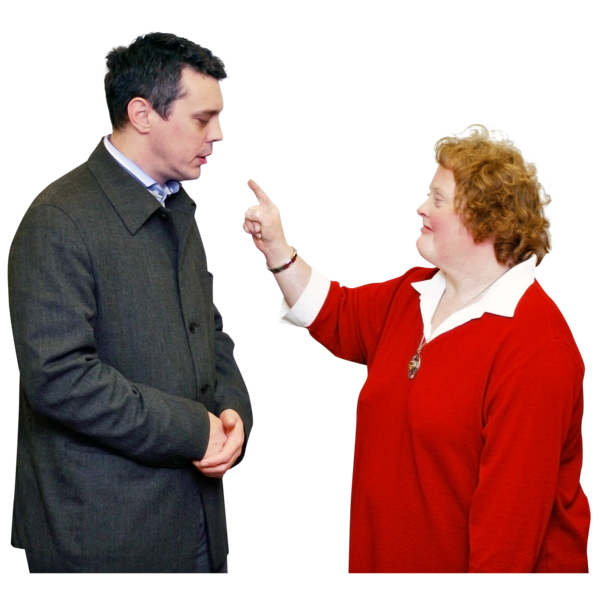 Complain is when you say you are not happy about something.
to your local council in writing.
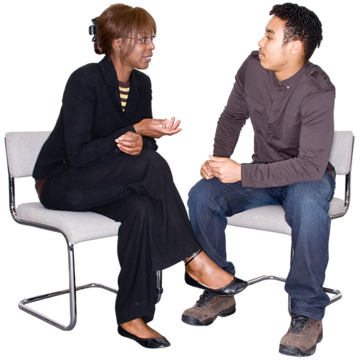
You can get advice from the Citizen’s Advice Bureau.

If you are still not happy you can complain to the Local Government
Ombudsman
 An ombudsman is someone who can help you if you have complained about a service, like a hospital. If you think that the service has not looked at your complaint properly, you can take your complaint to the ombudsman. The ombudsman is an independent person who will look at your complaint.
who can help you.
You can ask a solicitor to help you too.

You can write to your Member of Parliament Parliament is a group of people who make laws and check what the government is doing. and ask them to help you.
Where to find help
You can find your local council at: https://www.gov.uk/find-local-council
You can find your local Citizen’s Advice Bureau at: https://www.citizensadvice.org.uk/about-us/contact-us/contact-us/contact-us/

Find a Local Government Ombudsman at: https://www.lgo.org.uk/

Find your Member of Parliament at: https://members.parliament.uk/FindYourMP

First published: 03.03.2023
Last updated: 03.03.2023