
Resources to help get more support at your GP surgery
How to ask for reasonable adjustments
Reasonable adjustments are small changes that can help people with a learning disability A learning disability is to do with the way someone's brain works. It makes it harder for someone to learn, understand or do things. be treated equally.
Watch our video about asking for reasonable adjustments when you have an appointment for your health.
Reasonable adjustments: Advice for carers and healthcare professionals
Making reasonable adjustments means ensuring disabled people have equal access to good quality healthcare.
Every person is different, so the adjustments people with a learning disability need will differ from person to person. However, there are 10 common adjustments you can make.
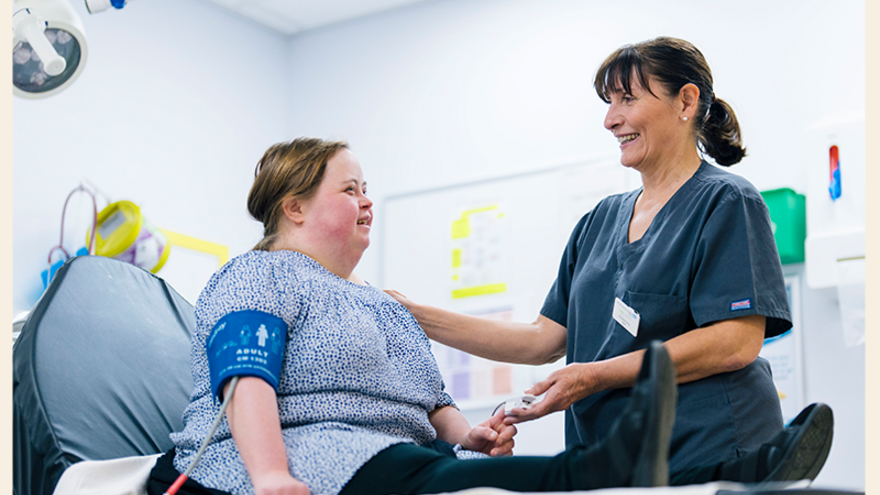
Additional resources that can support people with a learning disability at their health appointments are:
- A
Summary Care Record
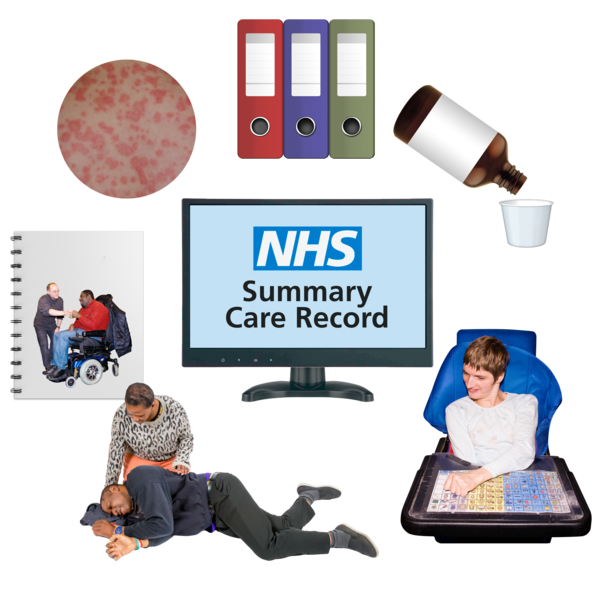 Most people have a Summary Care Record. It is a bit of information about your health on the computer at the doctor’s and at the hospital.
(SCR): This is a short summary of your GP medical records which can be used by health and care staff to tell them about any medicines you take and any allergies you may have.
- Learning disability nurses: These are specialist nurses that can help support people with a learning disability who are available in some healthcare settings like hospitals, GP surgeries and health clinics.

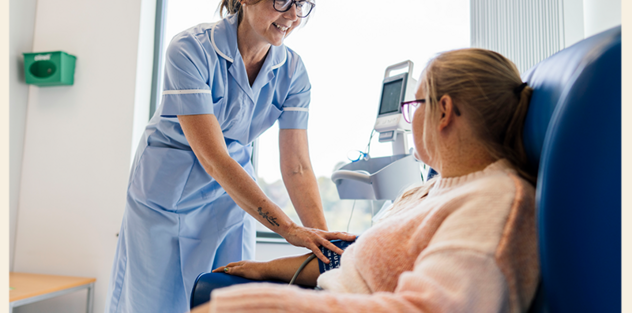
Questions and answers about getting extra support at your GP surgery
The
learning disability register
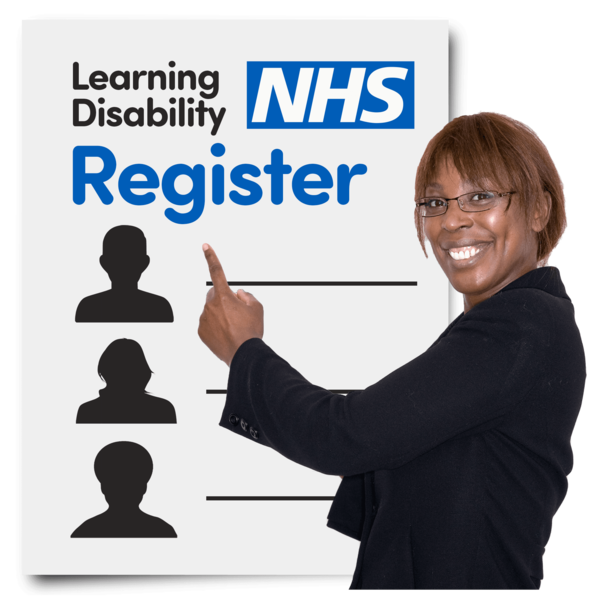 The learning disability register is a list of people with a learning disability that the doctor’s surgery looks after.
is a list of people with a learning disability that most doctors surgeries have. It helps the doctor’s surgery know who may need extra health support.
You do not need an official diagnosis A diagnosis is when a medical professional like a doctor has said you have a certain illness or condition. to go on the learning disability register.
You need to ask your GP to add you to the learning disability register at your surgery. To do this you will need to write a letter to them so, to help you with that, we've created a tool that builds the letter for you to send on to your doctor.
Reasonable adjustments can be simple changes made by one healthcare professional, or they can be more complex and need multiple teams to work together. Making reasonable adjustments can mean removing barriers that people with a learning disability face, or providing something extra for someone with a learning disability to enable them to access the healthcare they need.
Every person is different, so the adjustments people with a learning disability need will differ from person to person. However, there are common adjustments that carers and healthcare professionals can use which will help lots of people with a learning disability:
- Speak clearly and use simple words. understanding. It is really important not to make assumptions that someone has understood information they have been given.
- Take your time. People with a learning disability may need a bit longer than other patients to be able to understand information they are given and to make themselves understood. Just ten extra minutes can make a big difference to many people.
- Work with supporters. This could be a
support worker
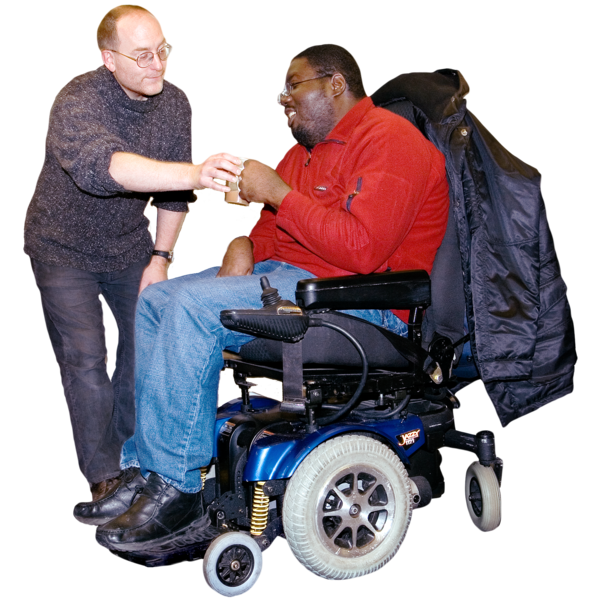 Support workers are people who are paid to give care and support to people who need it.
or family member. Supporters can be really important, particularly for people with profound and multiple learning disability, but remember to talk to the person directly and support them to make decisions - supporters are there to help you do this!
- Be flexible with appointment times. Many people with a learning disability will find it easier coming to hospital when it is quieter, so an appointment at the very beginning or very end of the day might make their appointment go more smoothly. They may also need an appointment at a time when their supporter is able to accompany them.
- Make sure people can get into and around the hospital. This includes ensuring there are no physical barriers for people using wheelchairs or with mobility issues, but also making sure signs in the hospital are as easy to understand as possible.
- Provide a quiet place to wait. Hospitals are often busy, noisy places and this can be overwhelming for many people with a learning disability. Having a quiet place to wait can prevent people getting anxious and having to leave the hospital. Many people also find waiting a long time very difficult.
- Listen to your learning disability liaison nurse. Most hospitals have learning disability liaison nurses who know lots about reasonable adjustments and can help you to support your patient. Ask your learning disability nurse if you know you will be seeing a patient with a learning disability.
- Use hospital passports. These are a patient-held, personalised record of what people with a learning disability have hospital passports and reading them will make your job a lot easier!
- Provide written information in
Easy Read
Easy Read is a way of making written information easier to understand. Pictures are usually added next to the writing.
format. This means people are much more likely to read and understand information about their appointments, procedures and results. This is also a requirement of the
NHS
The NHS is the National Health Service. The NHS gives free healthcare to everyone in the UK and includes things like your GP (doctors) surgery and hospitals.
's own
Accessible
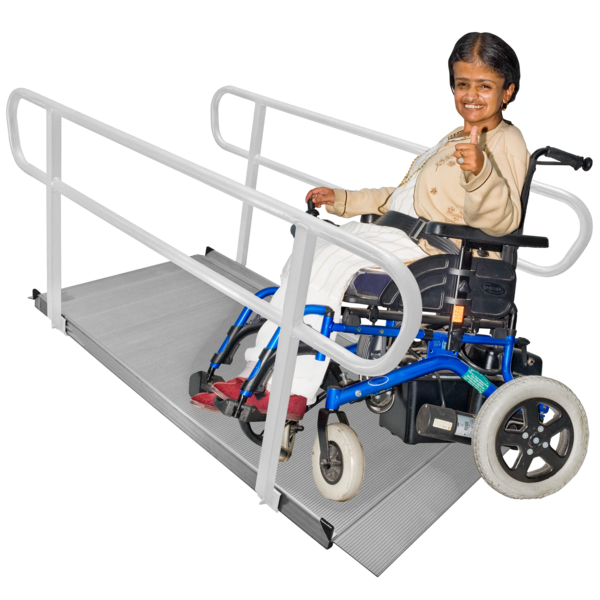 Accessible means something is easy for people to use or join in with. For example: Accessible writing means the writing is easy to read and understand.
Information Standard.
- Always ask the person what they need. Reasonable adjustments are about what the person in front of you needs and they know that better than anyone. and any family or carers with them and do your best to provide the support they need.
An
Annual Health Check
 An annual health check is when you see a nurse or doctor once a year so they can help you stay well. Everyone aged 14 or over who has a learning disability should be invited for an annual health check.
is done by your doctor or nurse once a year to help you stay healthy.
A learning disability nurse, or learning disability liaison, can support you, your family, and your carers when you need to access healthcare.
The nurses work with people who have a learning disability to make sure their health needs are identified and appropriately met. They can provide support, advice and guidance Guidance means being given clear instructions to be able to do something well. to address health inequalities and make sure you have fair access to the healthcare you need.
Their support may include:
- Helping you understand the care and treatment
- Helping you make your own decisions about your care
- Involving relatives and loved ones in decision making
- Developing easy read information
- Supporting safe discharges into the community A community is the people and places in an area.
- Promoting the use of a hospital passport.
Everyone registered with the doctor will already have a Summary Care Record (SCR), unless they have previously chosen not to have one.
An SCR includes important information about a person’s health, and will include:
- GP details
- NHS number
- Health conditions
- Medications
- Allergies.