







Run the 2025 TCS London Marathon for Mencap
If you missed a place in this years London Marathon, or if you've always wanted to run it but never had the chance, we've opened up places for 2025.
Sign up today to register your interest in running the 2025 TCS London Marathon for Mencap.

Waste of lives, waste of money - where's the plan?
Thousands of people with a
learning disability
 A learning disability is to do with the way someone's brain works. It makes it harder for someone to learn, understand or do things.
have been locked away in mental health hospitals rather than being supported in the
community
A learning disability is to do with the way someone's brain works. It makes it harder for someone to learn, understand or do things.
have been locked away in mental health hospitals rather than being supported in the
community
 A community is the people and places in an area.
.
The government
A community is the people and places in an area.
.
The government
 The Government are the people who run the country. The Government decide how much tax people should pay and how things like the National Health Service (NHS) should work.
holds the key to stopping this scandal once and for all.
The Government are the people who run the country. The Government decide how much tax people should pay and how things like the National Health Service (NHS) should work.
holds the key to stopping this scandal once and for all.

Mencap's manifesto
Mencap's goal is to make the UK the best place in the world for people with a learning disability to live happy and healthy lives.
Our manifesto asks for the things that need to be put in place to fulfil that goal, and we hope that all the political parties hear our call.
Help the UK Covid-19 Inquiry
It's important that the impact of the pandemic on the lives of people with a learning disability, their families and friends, is fully understood and recognised.
Share your story with the
independence
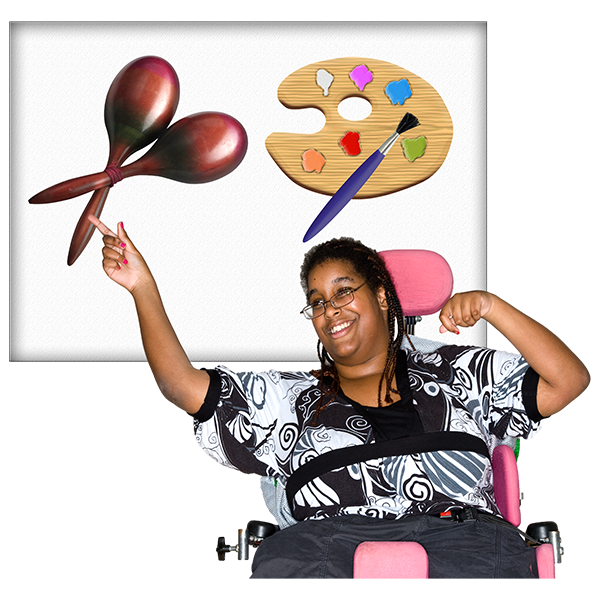 Independence means doing things on your own. Making your own choices.
UK Covid-19 Inquiry.
Independence means doing things on your own. Making your own choices.
UK Covid-19 Inquiry.



We're here to help
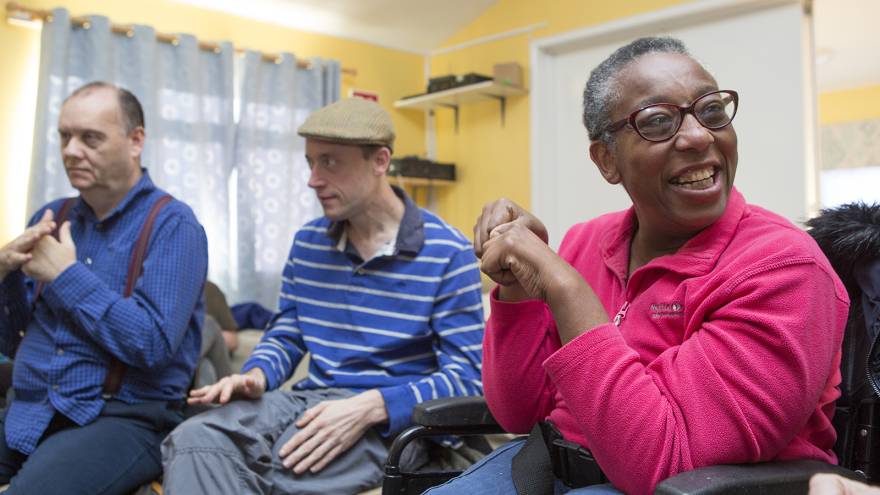
If you need information or advice you can contact our free helpline and advice service or join our free online community.