

The ‘
Mental Capacity
 Mental capacity means being able to make a decision when it needs to be made.
Act’ is an important
law
Mental capacity means being able to make a decision when it needs to be made.
Act’ is an important
law
 Laws are the rules that everyone in the country has to follow. If you don't follow the rules you can get in trouble with the police.
for people with a
learning disability
Laws are the rules that everyone in the country has to follow. If you don't follow the rules you can get in trouble with the police.
for people with a
learning disability
 A learning disability is to do with the way someone's brain works. It makes it harder for someone to learn, understand or do things.
.
A learning disability is to do with the way someone's brain works. It makes it harder for someone to learn, understand or do things.
.
It helps make sure that people who may lack capacity to make decisions on their own get the support they need to make those decisions.
Where they are not able to make their own decision, the Mental Capacity Act says a decision must be made that is in their ‘best interests’.
We have created a downloadable resource which outlines the options that are available to you to if you need to obtain information about a relative which is held by an
organisation
 An organisation are a group of people who work together.
- so that you can support your relative. Visit: 'How to get access to a relatives information and records'.
An organisation are a group of people who work together.
- so that you can support your relative. Visit: 'How to get access to a relatives information and records'.
The Mental Capacity Act
The Mental Capacity Act 2005 is a law that protects vulnerable people over the age of 16 around decision-making. It says that:
Every adult, whatever their disability, has the right to make their own decisions wherever possible.
People should always support a person to make their own decisions if they can. This might mean giving them information in a format that they can understand (for example this might be
easy read
 Easy Read is a way of making written information easier to understand. Pictures are usually added next to the writing.
information for a person with a learning disability) or explaining something in a different way.
Easy Read is a way of making written information easier to understand. Pictures are usually added next to the writing.
information for a person with a learning disability) or explaining something in a different way.
But if a decision is too big or complicated for a person to make, even with appropriate information and support, then people supporting them must make a ‘best interests’ decision for them.
The 5 main principles of the Mental Capacity Act
- Always assume the person is able to make the decision until you have proof they are not.
- Try everything possible to support the person make the decision themselves.
- Do not assume the person does not have capacity to make a decision just because they make a decision that you think is unwise or wrong.
- If you make a decision for someone who cannot make it themselves, the decision must always be in their best interests.
- Any decisions, treatment or care for someone who lacks capacity must always follow the path that is the least restrictive of their basic
rights
 Rights are the things everyone should be allowed to do like have a say, or go to school.
and freedoms.
Rights are the things everyone should be allowed to do like have a say, or go to school.
and freedoms.
It's also important to remember that a person may have capacity for some decisions but not others, or they may not have capacity right now but may regain it in the future with support. This means all capacity decisions should be regularly reviewed to make sure they still reflect the person's ability to make decisions.
Supporting someone to make a decision
Before deciding that someone lacks the capacity to make a decision, all practical and appropriate steps must be taken to help them make the decision themselves.
The Mental Capacity Act Code of Practice includes four main points to help someone make a decision:
1. Provide relevant information
- Does the person have all the relevant information they need to make a particular decision?
- If they have a choice, have they been given information on all the alternatives?
2. Communicate in an appropriate way
- Could information be explained or presented in a way that is easier for the person to understand (for example, by using simple language or visual aids)?
- Have different methods of communication been explored if required, including non-verbal communication?
- Could anyone else help with communication (for example, a family member,
support worker
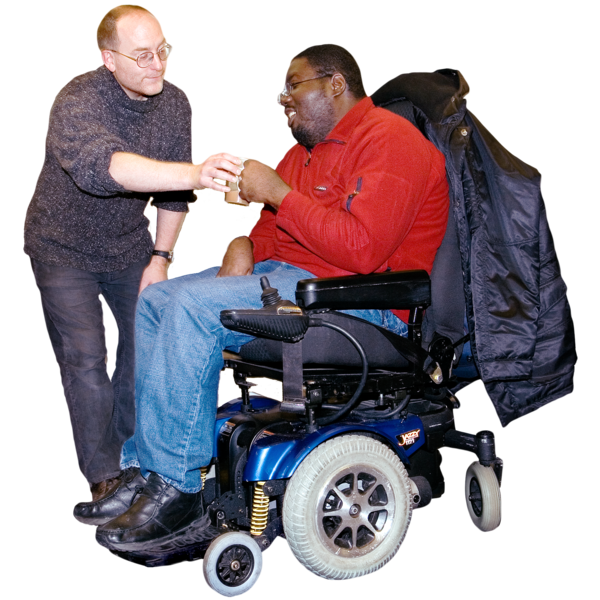 Support workers
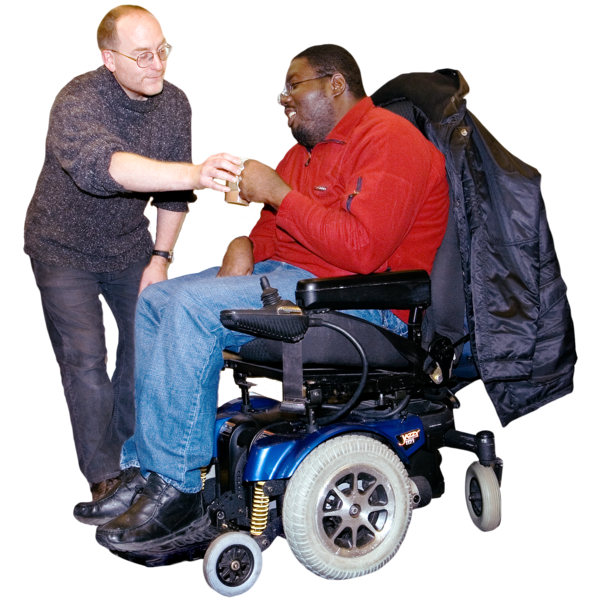 Support workers are people who are paid to give care and support to people who need it.
are people who are paid to give care and support to people who need it.
, interpreter, speech and language therapist or
advocate
Support workers are people who are paid to give care and support to people who need it.
are people who are paid to give care and support to people who need it.
, interpreter, speech and language therapist or
advocate
 An advocate is a person who can help you have your say. An advocate can speak up for you if you find it hard.
)?
An advocate is a person who can help you have your say. An advocate can speak up for you if you find it hard.
)?
3. Make the person feel at ease
- Are there particular times of day when the person’s understanding is better?
- Are there particular locations where they may feel more at ease?
- Could the decision be put off to see whether the person can make the decision at a later time when circumstances are right for them?
4. Support the person
- Can anyone else help or support the person to make choices or express a view?
Making a best interests decision
After all steps have been taken to support someone to make their own decision, if the person is assessed as lacking capacity to make that particular decision, then a ‘best interests’ decision must be made.
The person who makes the ‘best interests’ decision is called the ‘decision maker’. Who the decision maker is will depend on the situation and the type of decision.
- For most day-to-day decisions the ‘decision maker’ is likely to be the person who is supporting the person.
- If it is a decision about healthcare it will be the relevant health professional.
Whoever is the decision maker, it is important they talk with others involved with the person, and involve the person themselves as much as possible, to get a good understanding and therefore make the best decision they can.
Best interests checklist
The Mental Capacity Act sets out a best interests checklist, which must be followed when making a best interests decision:
- Will the person regain capacity?
- Involve the person.
- Consult all relevant people.
- Consider all the information.
- Do not make any assumptions.
- Consider past, present and future wishes.
- Always pick the very least restrictive option.
The full checklist is in the Mental Capacity Act Code of Practice PD.
Involve the person you are making a best interests decision for
When a best interests decision is being made, the person must still be involved as much as possible.
Mencap and BILD’s Involve Me resources offer some creative ways to ensure people remain at the heart of decision making. There are guides and a video to show how the preferences of people with PMLD can be captured and used to influence decisions about their lives, even if they lack capacity to make the decision themselves.
Independent Mental Capacity Advocate (IMCA)
If a person has no family or friends for the decision-maker to ask about important decisions like serious medical treatment or changes of accommodation, then an Independent Mental Capacity Advocate must represent the person’s views.
They are a legal safeguard for people who lack the capacity to make big decisions. Read more on Independent Mental Capacity Advocates.
Download our guide
FAQs about the Mental Capacity Act
What does 'mental capacity' mean?
Mental capacity is the ability to make an informed decision based on understanding a situation, the options available, and the consequences of the decision.
Just because someone is not able to make one decision, this does not mean they can’t make other decisions. People should always support a person to make their own decisions if they can do so.
What is a 'best interests' decision?
This means they make the decision for the person, but when making the decision, they must do so in the person’s ‘best interests’.
They must involve the person as much as possible in working out what the right decision is and involve others who know them well, such as family and friends.
If you are a family carer of someone with a learning disability, you may find our Mental Capacity Act resource pack useful, which you can download at the top of this page.
What if a family member is not getting involved when a best interests decision is being made about their loved one?
When making a best interests decision, the decision-maker should involve the person’s family and others who know the person well.
Irwin Mitchell Solicitors have developed a short guide for families in partnership with Ambitious About
Autism
 Autism is a disability. Autistic people find it difficult to understand what other people think and feel. They also find it difficult to tell people what they think and feel. Everyone with autism is different.
, Mencap and the
Challenging Behaviour
Autism is a disability. Autistic people find it difficult to understand what other people think and feel. They also find it difficult to tell people what they think and feel. Everyone with autism is different.
, Mencap and the
Challenging Behaviour
 Challenging behaviour can be when someone hurts themselves, hits or pinches someone else, or breaks something. Some people might behave like this because they are upset or because people do not understand them.
Foundation. It explains the rights of families to be consulted when best interests decisions are being made and provides template letters to challenge when this isn’t happening.
Challenging behaviour can be when someone hurts themselves, hits or pinches someone else, or breaks something. Some people might behave like this because they are upset or because people do not understand them.
Foundation. It explains the rights of families to be consulted when best interests decisions are being made and provides template letters to challenge when this isn’t happening.
What if the person’s family don’t think the final decision made is truly in the person’s best interests?
If others do not think the final decision has been made truly in the person’s best interests they have the right to challenge it. There are various things that can be done, for example you can:
- ask for an advocate to be involved
- ask for a second opinion
- make a complaint.
If none of these things work, and there is still a disagreement, the Court of Protection could be asked to decide the matter.
How is capacity assessed?
To have capacity to make a particular decision at a given time a person must be able to:
- understand the information relevant to the decision, including the consequences of making or not making the decision
- retain that information long enough to make the decision
- use or weigh the information as part of the decision making process
- communicate the decision in any recognisable way.
Failing any one of the above means the person lacks the capacity to make this decision on this occasion.
What decisions can be made under the Mental Capacity Act?
These can be everyday decisions about what to eat or what clothes to wear - family, carers and support workers may assess capacity often and support people to make their own decisions like this.
Some decisions are more significant such as where to live, how to spend large amounts of money or what medical treatment to have. Professionals may be involved in assessments which include these bigger decisions.
What decisions can't be made?
Decisions that cannot be made for another person under the Mental Capacity Act, include the decision to get married or consenting to sex. Read the Mental Capacity Act Code of Practice PDF for full information on this.

Involve me - a practical guide
How to involve people with profound and multiple learning disabilities (PMLD) in decision-making and
consultation
 Consultation is finding out what people think about something.